The Problem: Materials Running Out at the Worst Time
Picture this: You're managing a key project with tight deadlines. Your team is ready to pour concrete tomorrow, but suddenly you find out you're short on cement. Or maybe it’s not cement this time, but rebars. Either way, the delay costs you money—and your client’s trust.
Sound familiar? You're not alone. Poor stock visibility is an everyday headache for contractors. And it’s not just about running out of materials. Over-ordering to “play it safe” ties up cash flow and clogs your storage space. Either way, you lose.
According to a 2023 report by McKinsey, construction firms waste up to 30% of project costs due to inefficiencies, with material mismanagement being a top culprit. Can you afford that kind of margin erosion?
Why Real-Time Stock Visibility Matters
Real-time stock visibility means knowing exactly what you have, where it is, and how soon you'll need more—all without waiting for someone to tally up spreadsheets or call the warehouse. Here’s why it’s a game-changer:
-
Avoid Project Delays: You can’t build without materials. Real-time visibility ensures you catch shortages early, not when it's too late.
-
Cut Wastage: Over-ordering leads to materials expiring, especially for items like cement or chemicals. Real-time tracking helps you order only what’s needed.
-
Free Up Cash Flow: Inventory sitting idle is cash you can’t use. Knowing exact stock levels helps you avoid overstocking.
-
Streamline Procurement: When materials hit reorder levels, automated triggers can notify your procurement team or even generate purchase requests.
A Practical Solution: How JobNext Helps
Here’s where tools like JobNext come in. JobNext’s material procurement module isn’t just a glorified inventory tracker. It’s designed for contractors who juggle multiple projects, multiple sites, and hundreds of material types.
Let’s break it down:
- With JobNext, every Material Request (MR) is linked directly to your project’s Bill of Quantities (BOQ) and scope. No guesswork—just clear, project-specific stock tracking.
- The system tracks the entire workflow: MR → RFQ → Vendor Offers → PO. You’ll know where your materials are at every stage, whether they're in transit, at the warehouse, or on-site.
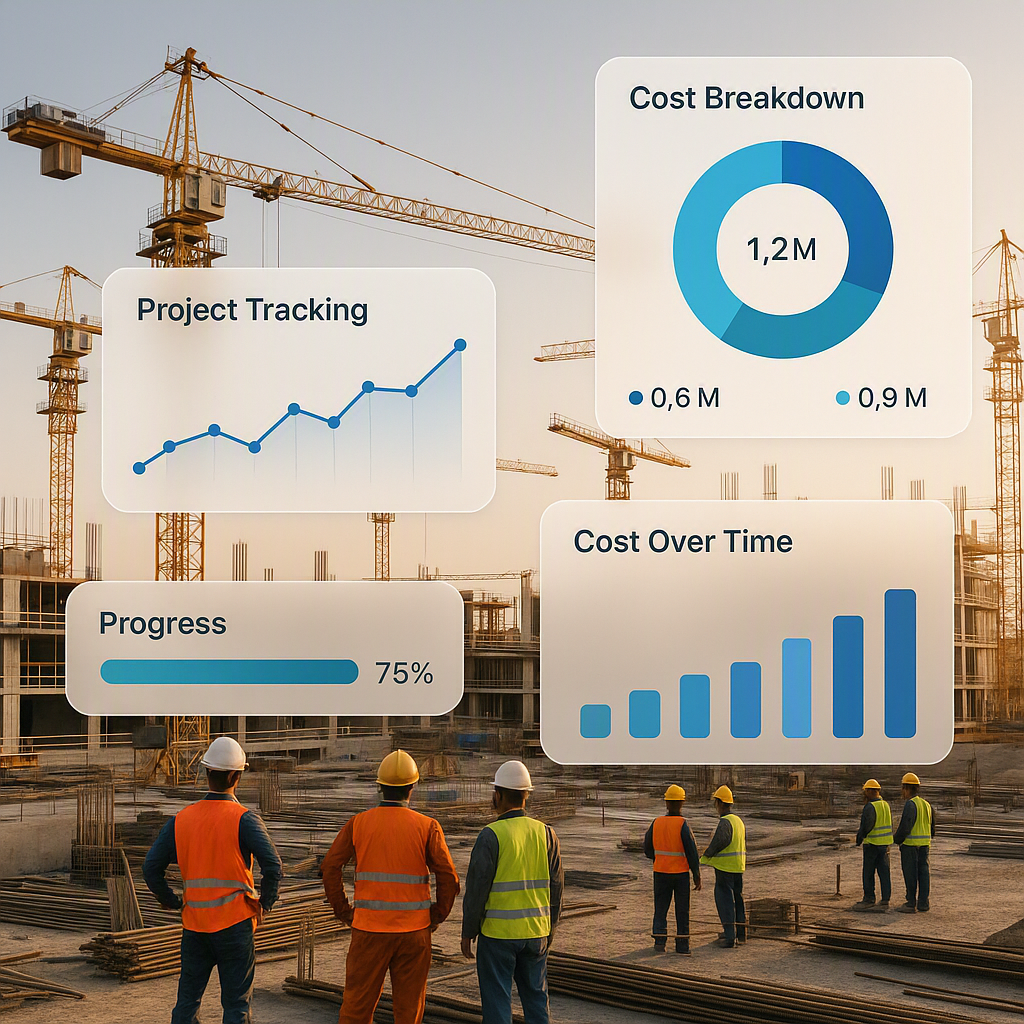
- Dashboards give you real-time updates. Need to know how much steel is left across three sites? It’s a two-second check, not a half-day exercise.
We’ve seen companies save millions by switching to structured stock tracking. For example, an HVAC contractor in Oman reduced material wastage by 18% within six months by using JobNext. That’s cash straight to their bottom line.
The Role of Unified Platforms
The biggest mistake we see? Contractors trying to manage stock with disconnected tools. Spreadsheets for inventory, WhatsApp for vendor communication, and separate accounting software for payments—it’s a mess. As this JobNext.ai article points out, fragmented systems don’t just waste time; they actively hurt your margins.
Unified platforms like JobNext solve this by integrating inventory, procurement, billing, and finance. When a PO is created, it updates stock levels automatically. When stock runs low, the system flags it before it becomes a crisis. It’s not rocket science—it’s just smart operations.
What About Edge Cases?
You might be thinking, "What if I manage multiple warehouses?" Or, "What about materials stored on-site?" Good questions. JobNext handles this with multi-location stock tracking. You can see inventory across all warehouses and project sites in one view. Need to transfer 20 tons of steel from Site A to Site B? The system tracks that too.
Another common objection: "What if my team isn’t tech-savvy?" Honestly, we’ve seen site supervisors who’ve never touched an ERP pick this up in two weeks. The key is proper onboarding—and yes, JobNext offers that.
The Bottom Line
Real-time stock visibility isn’t optional anymore. It’s the difference between staying on schedule and bleeding money on delays. Between impressing your clients and losing them to a competitor.
And the solution isn’t just about technology—it’s about having the right processes in place. Tools like JobNext give you those processes, but the commitment to use them? That’s on you.
So, what’s stopping you? Still managing stock with spreadsheets? It’s time to rethink that.
Ready to see JobNext in action?
Multi-tenant SaaS ERP for construction, facilities management, and contracting — covering preconstruction, project execution, procurement, HR & payroll, equipment, finance, and 150+ analytics reports.
Get Started Free →Learn more at JobNext.ai