Why Subcontractor Cost Overruns Are a Silent Killer
If you're running a construction project, subcontractor cost overruns can sneak up on you fast. They're not always dramatic—no one's inflating invoices by 50% overnight. Instead, overruns creep in through missed benchmarks, hidden delays, and vague work orders.
Here’s the brutal truth: when subcontractor payments aren’t tied to measurable progress, your margins evaporate. You’re left paying for incomplete work—or worse, for work that wasn’t even required in the first place. And the longer this continues, the harder it becomes to regain control of your project budget.
The Real Problem: Lack of Visibility
Most construction teams still rely on spreadsheets and phone calls to manage subcontractors. This works fine—until it doesn’t. What happens when a subcontractor disputes the amount you withheld for incomplete work? Or when progress milestones were never documented properly? Or worse, when you realize too late that multiple overruns across different subcontractors have quietly drained your project budget?
Here’s an example: A general contractor overseeing an MEP subcontractor had budgeted ₹20 lakh for plumbing installations. Midway through the project, they were shocked to find ₹15 lakh already paid—but the work was only 40% complete. Why? Because payments weren’t tied to real progress measurements, and vague work orders left too much room for interpretation.
Without structured workflows, disputes pile up. Payments are delayed. Projects stall. Margins suffer. And even if you do manage to complete the project, you’ve likely burned through your profitability.
Why Visibility Is Crucial
Visibility into subcontractor progress means knowing exactly where your money is going and what you’re paying for. Without it, you're flying blind. Here are the main consequences of poor visibility:
- Disputes become harder to resolve. Without clearly documented progress milestones, subcontractors may contest withheld payments, leading to project delays.
- Missed early warning signs. Small overruns may not seem significant at first, but they add up. If you can’t catch them early, they spiral out of control.
- Accounting chaos. Reconciling payments against actual work done becomes a nightmare, especially when compliance requirements like GST and TDS are involved.
A Smarter Fix: Progress-Based Billing
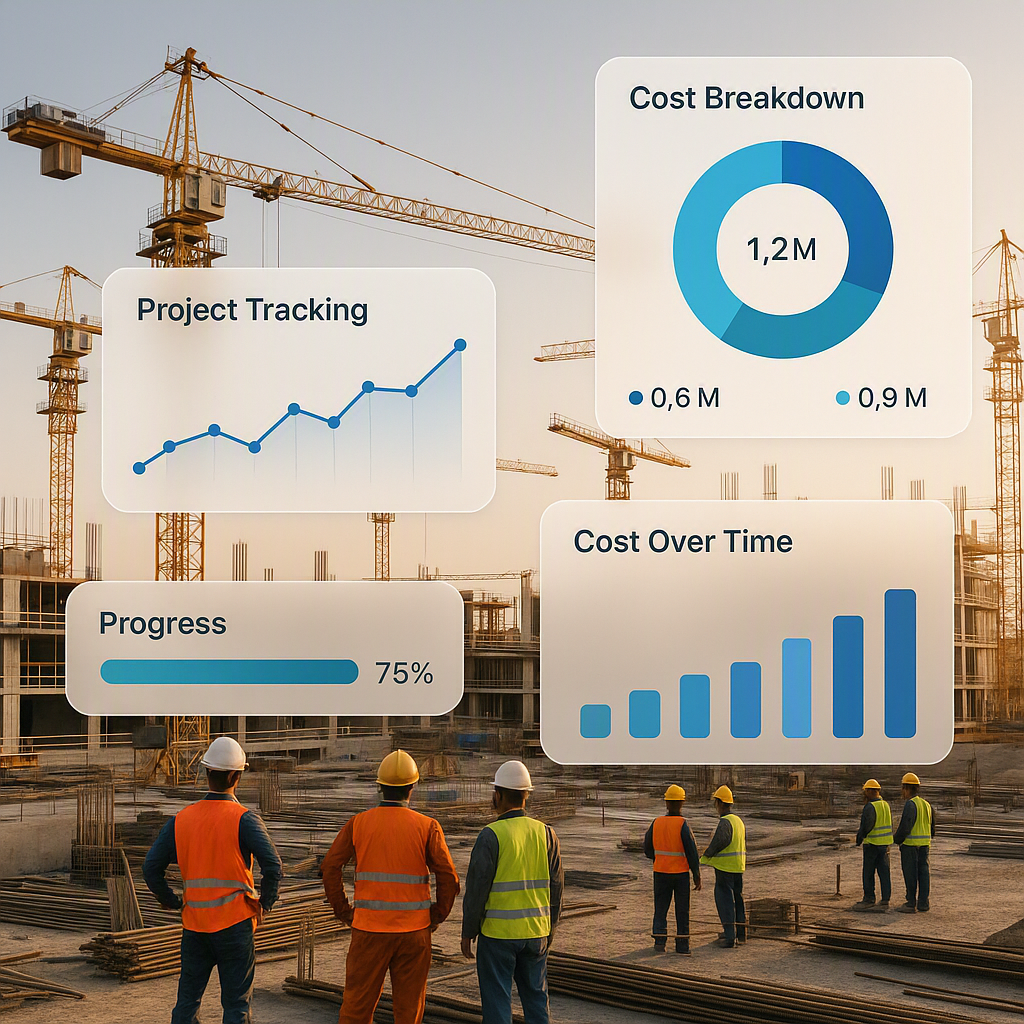
Progress-based billing is the antidote to subcontractor overruns. It’s simple: you break the subcontractor’s scope into measurable milestones, and payments are released only when those milestones are verified. This approach ensures transparency, accountability, and control over your project budget.
How Progress-Based Billing Works
Let’s break it down:
- Define Milestones: Divide the subcontractor’s work into specific, measurable deliverables.
- Assign Payment Percentages: Allocate a percentage of the total payment to each milestone based on its scope and importance.
- Verify Progress: Use tools, site reports, or photos to confirm milestones are completed before releasing payments.
For example, instead of paying a subcontractor ₹10 lakh upfront for electrical work, you tie payments to measurable deliverables:
| Milestone | % Complete | Payment Released |
|---|---|---|
| Wiring Installation (Floor 1) | 30% | ₹3 lakh |
| Wiring Installation (Floor 2) | 30% | ₹3 lakh |
| Final Testing | 40% | ₹4 lakh |
This ensures:
- You’re paying only for work completed. No more upfront payments that leave you vulnerable.
- Subcontractors stay motivated. Linking payments to progress incentivizes subcontractors to stay on schedule.
- Cost overruns are identified early. If a milestone isn’t achieved on time or within budget, you can address the issue before it escalates.
Actionable Steps to Implement Progress-Based Billing
- Start with Detailed Scopes of Work: Break down each subcontractor’s tasks into specific activities with clear deliverables.
- Create Payment Schedules: Assign percentages of the total contract value to each milestone. Ensure that no single milestone absorbs too much of the payment.
- Establish Verification Processes: Use site supervisors, photos, or even third-party inspectors to confirm milestone completion.
- Integrate With Software: Use subcontractor management tools to track progress, verify milestones, and automate payment approvals.
The Role of Subcontractor Management Software
Software isn’t magic—it’s structure. Tools like ProjectsNext simplify what’s otherwise a chaotic workflow. Here’s how:
1. Structured Work Orders
Forget vague work descriptions. Good software lets you create detailed work orders with line items tied to specific milestones. For example:
| Line Item | Unit Rate | Quantity | Total Cost |
|---|---|---|---|
| Wiring (Floor 1) | ₹100/m | 500m | ₹50,000 |
| Wiring (Floor 2) | ₹100/m | 600m | ₹60,000 |
| Final Testing | ₹20,000 | 1 lot | ₹20,000 |
This level of detail ensures everyone is on the same page and reduces the risk of miscommunication.
2. Progress Tracking
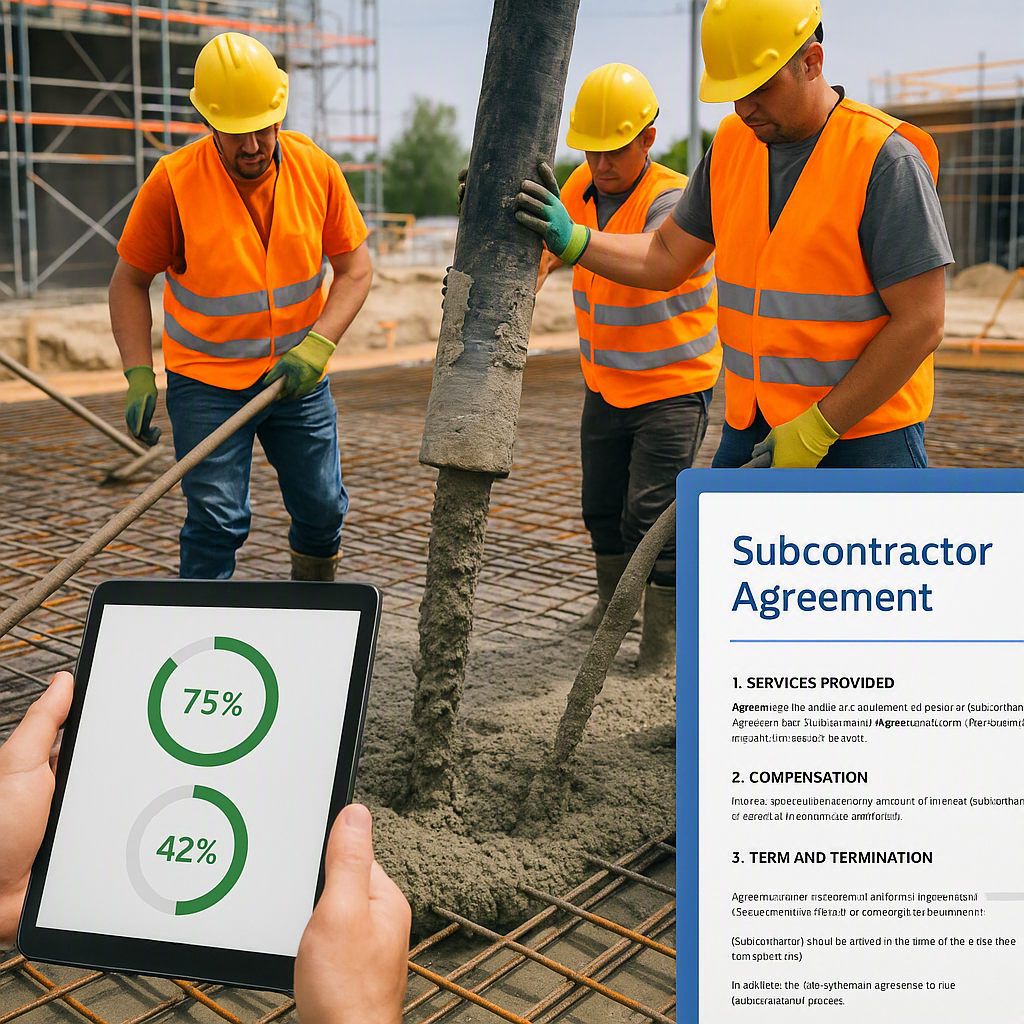
Subcontractor management tools integrate with site reporting. Supervisors can update progress directly, verifying milestones via photos or measurements. This real-time visibility prevents misunderstandings and ensures that payments align with actual progress.
3. Payment Controls
Payments are tied to progress updates. If a subcontractor claims 80% completion but site reports say 60%, the software flags it for review. This eliminates disputes before they start and ensures that payments are released only when milestones are verified.
4. Compliance Management
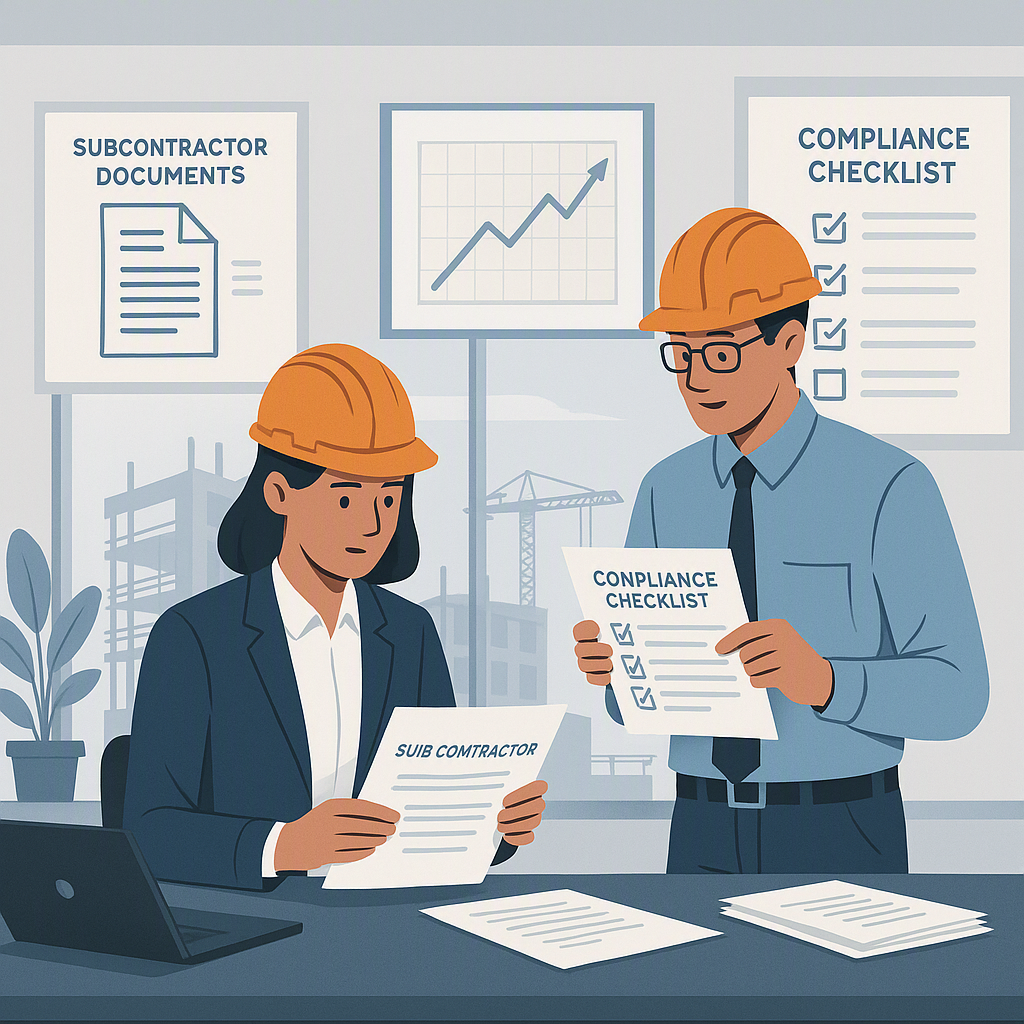
In India, GST and TDS compliance are mandatory for subcontractor payments. Subcontractor management software ensures all deductions are accounted for, and integrates with tools like Tally for statutory reporting. This reduces the risk of penalties and simplifies your accounting process.
Common Mistakes (And How to Avoid Them)
Mistake 1: Overpaying for Early Work
The Problem: Releasing large payments upfront reduces the subcontractor’s motivation to complete the remaining work.
The Fix: Always tie payments to progress milestones. This ensures subcontractors stay motivated throughout the project.
Mistake 2: Relying on Verbal Agreements
The Problem: Verbal agreements are impossible to enforce during disputes.
The Fix: Document everything. Use written contracts that clearly define milestones, payment terms, and dispute resolution processes.
Mistake 3: Ignoring Compliance
The Problem: Errors in GST and TDS deductions can lead to penalties and compliance issues.
The Fix: Use software to automate tax calculations and ensure compliance with local regulations.
FAQ
Q: How do I ensure subcontractors agree to progress-based billing?
A: Make it part of your contract terms upfront. Clearly define milestones and payment schedules in the contract. Most subcontractors will agree if milestones are realistic and payments are predictable.
Q: What happens if a subcontractor disputes progress measurements?
A: Use photo evidence, site reports, or third-party verification to resolve disputes quickly. Having structured documentation makes it easier to defend your position.
Q: Can progress-based billing delay payments?
A: Only if workflows are unstructured. With the right software, approvals are automated, and payments move faster. Clear processes prevent bottlenecks.
Q: Is software necessary for progress-based billing?
A: While not mandatory, software makes the process significantly easier. It automates progress tracking, payment approvals, and compliance, reducing the risk of errors.
Q: How do I handle milestones that are delayed?
A: If a milestone is delayed, assess the cause. If it’s a subcontractor issue, enforce penalties or renegotiate terms as necessary. Having detailed contracts helps you manage such situations effectively.
Comparison: Manual Processes vs. Software-Based Management
| Feature | Manual Process | Software-Based Management |
|---|---|---|
| Work Order Clarity | Prone to vagueness | Detailed and structured |
| Progress Tracking | Relies on verbal updates | Real-time updates with evidence |
| Payment Approvals | Time-consuming | Automated |
| Compliance Management | Prone to errors | Automated and accurate |
| Dispute Resolution | Lengthy and difficult | Streamlined with documentation |
Call to Action
If subcontractor overruns are crushing your margins, structured tools like ProjectsNext are worth exploring. They help you track progress, control payments, and prevent cost blowouts. See how it works →
Learn more at JobNext.ai