Why Margins Bleed in Construction Projects
Contractors know the frustration of watching profits shrink as projects progress. What's the culprit? Often, it’s the mismatch between the BOQ (Bill of Quantities) and actual costs. You estimate a task will cost a certain amount, but by the time the invoices roll in, the costs have increased. Where did the extra expense come from?
The gap happens because cost updates aren't happening in real-time. Materials are procured at fluctuating rates, subcontractor bills pile up unexpectedly, and labor costs sneak higher. Without immediate visibility, you're flying blind.
How Real-Time Tracking Solves the Problem
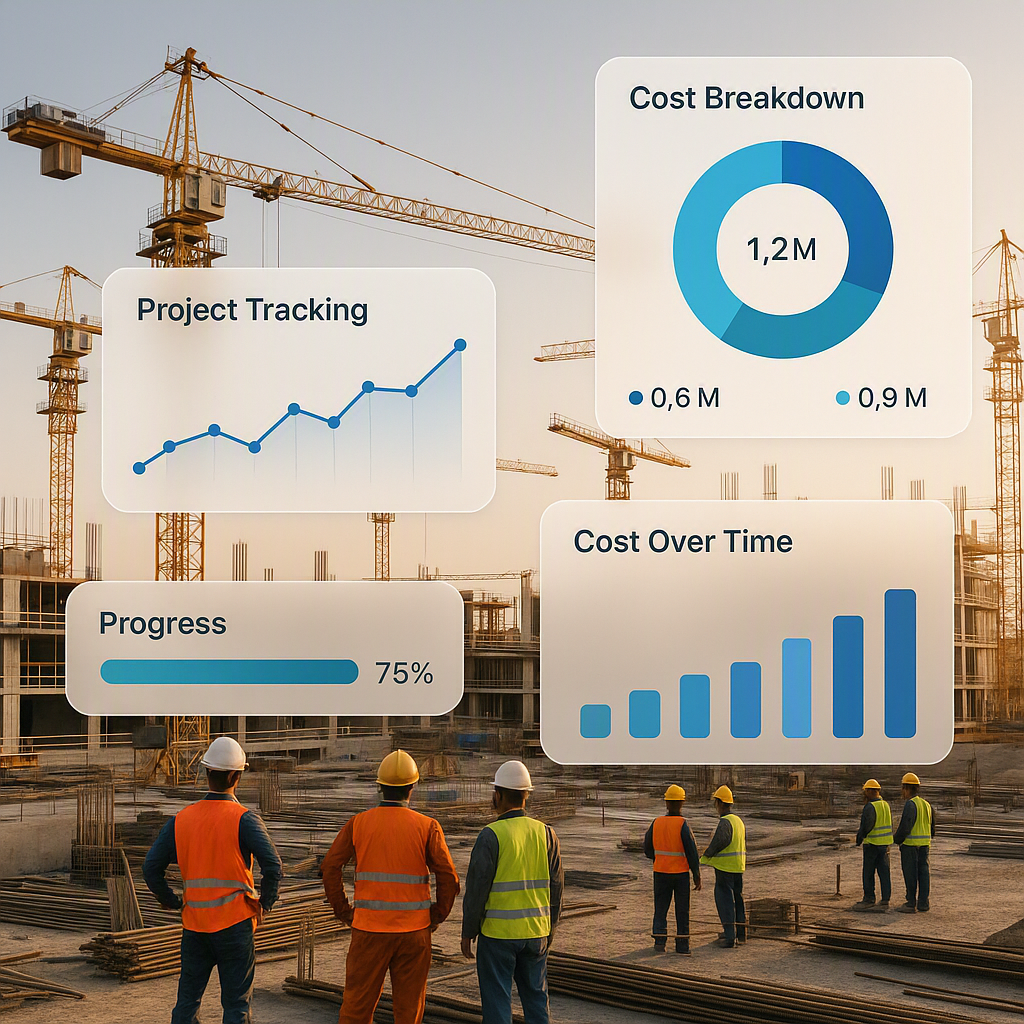
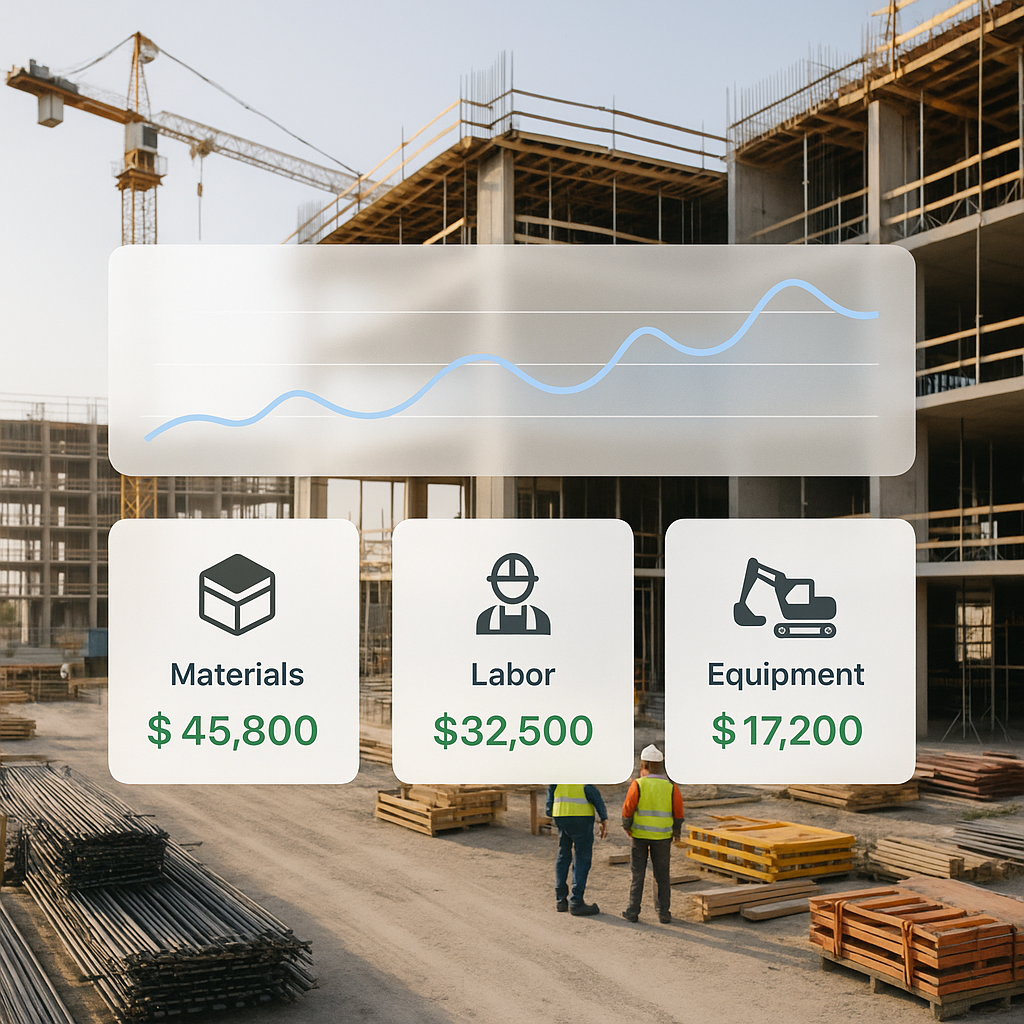
Real-time cost tracking aligns estimated costs with actual expenses as they occur. It’s like having a live scoreboard for your project finances. You know immediately if labor costs are overshooting or if material procurement is eating into your margins.
Illustrative example — Imagine you’re managing a large-scale project. Your BOQ estimates a specific amount for steel procurement. But steel prices spike mid-project. If you're tracking costs in real time, you catch the increase early and adjust procurement timelines or budgets. Without it? You're stuck with inflated invoices and no wiggle room.
Practical Steps to Implement Real-Time Tracking
-
Digitize Your Cost Data: Stop relying on spreadsheets. Use a platform that centralizes cost inputs—materials, labor, subcontractors, equipment.
-
Link BOQs to Actuals: Ensure your BOQ isn’t just a static estimate. Use software that updates the BOQ with real-time procurement and billing data.
-
Set Up Alerts: Automate cost overrun alerts. For example, set thresholds for procurement costs so you can take action before overruns occur.
-
Integrate Procurement Workflows: Your cost tracking system should connect directly to procurement workflows (MR → RFQ → PO). This removes manual errors and ensures accurate updates.
Tools That Make It Easier
Many contractors are moving to unified ERP systems that include real-time cost tracking. A good example is the ProjectsNext platform, which integrates BOQ, procurement, and billing into one system. BOQ vs Actual Cost: Stop Margin Erosion with Real-Time Tracking dives deeper into how this helps contractors avoid margin erosion.
Common Mistakes to Watch For
-
Relying on Static Estimates: BOQs that aren’t updated during execution are useless. They create a false sense of security.
-
Fragmented Systems: If your procurement, billing, and cost tracking tools don’t talk to each other, you’ll waste hours reconciling data.
-
Ignoring Small Overruns: Small cost overruns can add up over time. Real-time tracking helps you catch these "silent leaks."
FAQs
Q: How often should cost data be updated?
A: Ideally, daily. The more frequent the updates, the sharper your insights.
Q: Can real-time tracking work for smaller contractors?
A: Yes. Even smaller projects benefit from cost visibility. Many ERP tools scale down for smaller teams.
Q: How do I convince my team to adopt real-time tracking?
A: Show them the math. Compare a project where costs were tracked late versus one with real-time updates. The margin difference speaks for itself.
Final Thoughts
Real-time cost tracking isn’t optional if you want to protect your margins. It’s the difference between staying profitable and bleeding money unnoticed. If you're struggling with cost overruns, platforms like ConstructionSupply.ai provide tools to streamline procurement and cost tracking workflows.
Get started free → ConstructionSupply.ai
Learn more at JobNext.ai