Why Construction ERP Needs to Be Trade-Specific
Most contractors know the pain of trying to fit generic ERP software into construction workflows. It’s like using a wrench on a screw—it technically works but not well. The result? Frustration, wasted time, and margins that erode bit by bit.
The Indian construction market is especially tricky. Why? Multi-trade projects dominate here—EPC contractors, MEP services, interior designers, and landscaping teams often work side by side. Each trade has unique procurement, billing, and compliance needs. If your ERP doesn’t adapt to those nuances, it’s not just annoying—it’s costly.
The Procurement Problem: Late MRs and Vendor Chaos
Let’s start with procurement. Every contractor has been there: a material requisition (MR) gets delayed, and suddenly, the whole project is scrambling. Vendors send incomplete quotes, rates don't align, and POs are rushed through without proper approvals. The fallout? Materials arrive late or at inflated prices, directly hitting your profit.
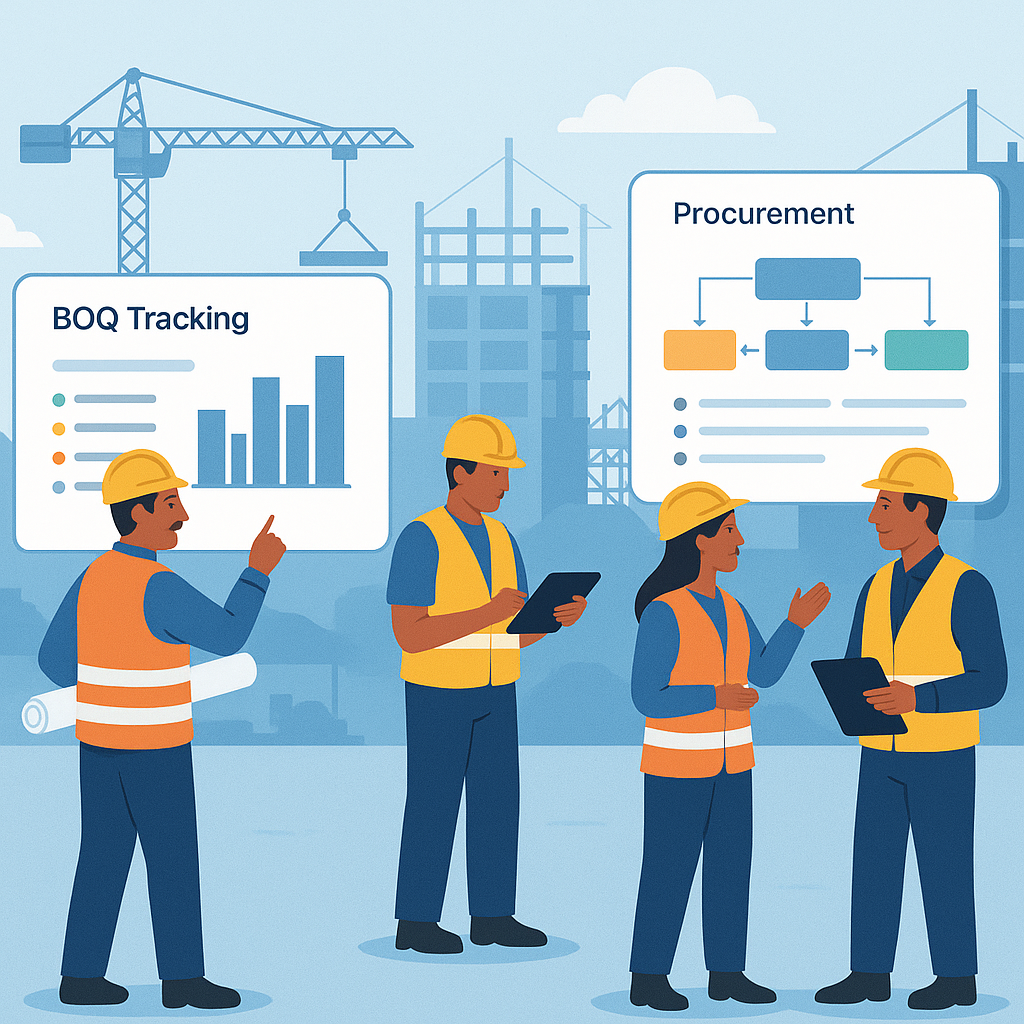
A trade-specific ERP fixes this by structuring the procurement workflow. Instead of messy emails and manual follow-ups, it formalizes the MR → RFQ → Vendor Offers → PO chain with built-in approval steps. Many teams in India are moving to systems like this because the savings are immediate—less material waste, fewer vendor disputes, and tighter margins.
For more details on how unified ERPs streamline procurement chaos, check out Why Small Contractors Bleed Margins Without Unified ERPs.
Multi-Site Payroll: A Hidden Cost Sink
Another area where most ERPs fail Indian contractors is payroll. Construction sites aren’t office cubicles. Workers move between sites, camps, and even states. Tracking attendance manually introduces errors—some workers get overpaid, others underpaid, and compliance gaps (PF, ESI, TDS) start piling up.
A trade-specific ERP automates these complexities. For example, Indian contractors working internationally may need systems that handle multi-currency payroll, statutory deductions, and leave tracking. Without it, finance teams spend hours reconciling mismatches—a brutal waste of time.
Real-Time Margin Tracking: The Must-Have Feature
Every contractor needs to know one thing: is this project making money? But real-time margin tracking isn’t a feature you’ll find in generic ERPs. Construction projects have dynamic costs—material prices fluctuate, subcontractor bills vary, and client payments get delayed. Without granular cost tracking, contractors only realize margin erosion after the project ends. Too late.
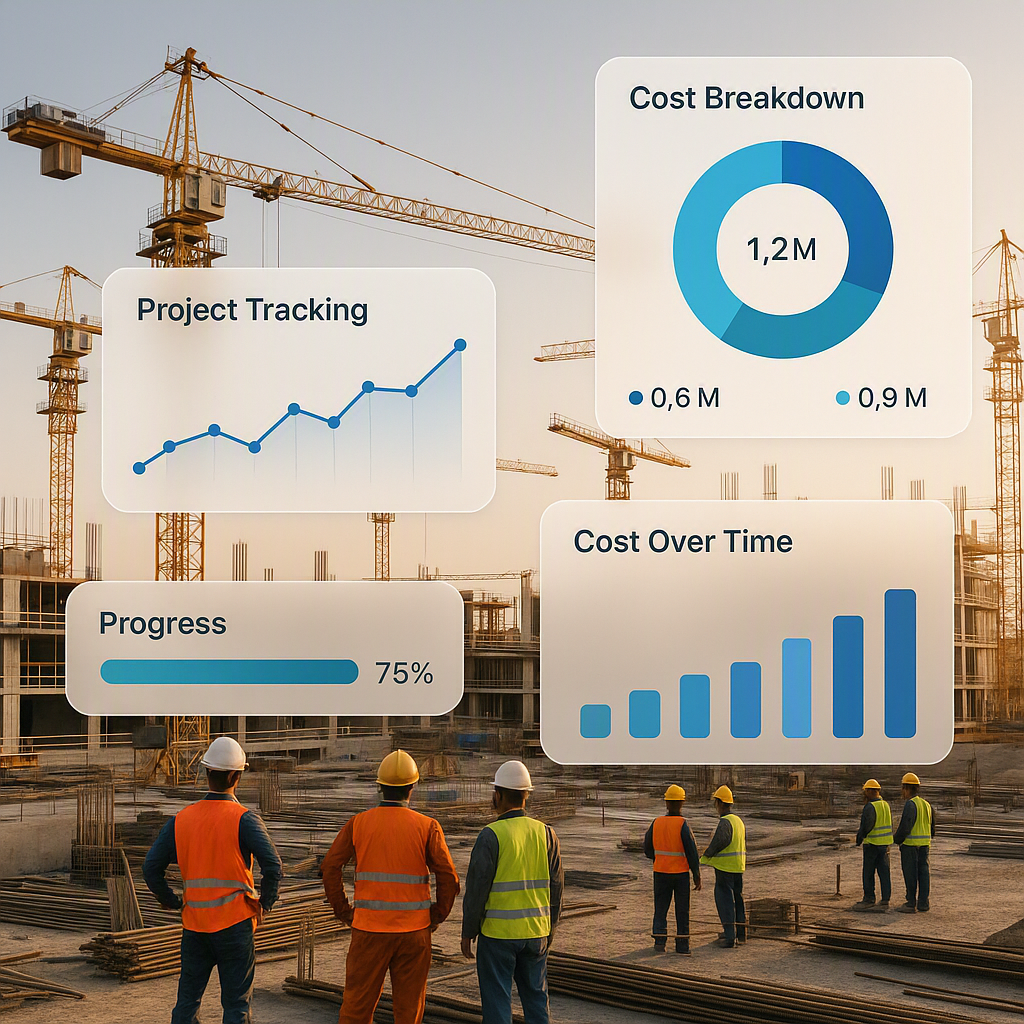
Trade-specific ERPs solve this with dashboards that break down profitability by BOQ line items, scopes, and estimates. If steel prices spike mid-project, you’ll see the impact immediately. Many small contractors in India avoid this feature, thinking it’s overkill. It’s not. It’s the difference between realizing a loss and stopping it before it happens.
FAQ: Common Questions About Construction ERPs
1. What makes an ERP “construction-specific”?
It’s designed for workflows like BOQ management, progress-based billing, and subcontractor handling. Generic ERPs miss these features.
2. Can small contractors afford ERPs?
Yes. Many cloud-based ERPs offer scalable pricing based on project size and users.
3. Do ERPs support India-specific compliance?
The good ones do. Look for GST/TDS integration and statutory deductions like PF and ESI.
4. How long does ERP implementation take?
Typically 3-6 months, depending on the complexity of your projects and workflows.
5. What's the biggest mistake when choosing an ERP?
Ignoring trade-specific needs. A generic ERP might seem cheaper but costs more in lost margins and inefficiencies.
What to Watch For
- Overlapping Features: Some ERPs bundle unnecessary modules (CRM, HR) that inflate costs.
- Hidden Costs: Watch for high customization fees. Trade-specific ERPs often reduce these.
- Vendor Support: Make sure the ERP vendor offers local support for India-specific compliance.
Ready to Fix Your Trade-Specific ERP Needs?
If procurement chaos or margin erosion sounds familiar, you're not alone. Trade-specific ERPs are designed to tackle these exact problems for Indian contractors. Learn more →
Learn more at JobNext.ai