Hard FM: More Than Just Maintenance
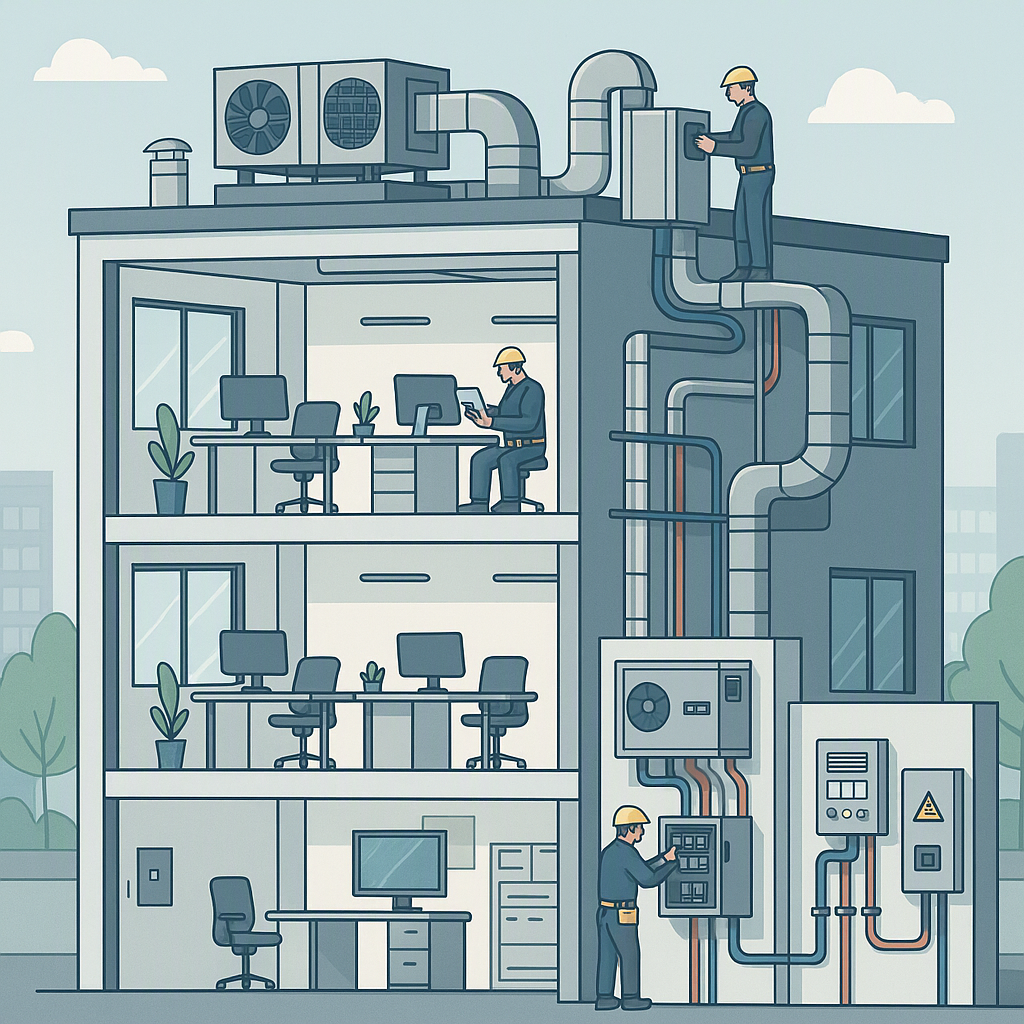
When contractors hear "Hard FM" (Hard Facilities Management), the first thought is often, "So, building maintenance?" Fair enough. But that’s just scratching the surface. Hard FM is about managing the physical infrastructure that keeps buildings operational: HVAC systems, electrical, plumbing, elevators, fire safety systems, and structural elements like walls, roofs, and floors. Sound straightforward? It’s not.
Here’s the reality check: Hard FM is a high-stakes game. The assets you manage directly impact safety, compliance, and operational efficiency. Miss a maintenance check, and you’re looking at equipment failure, downtime, or even regulatory penalties. Worse, your client’s reputation—and yours—could be on the line.
So, how do contractors navigate this complex sector? What tools and strategies can prevent budget overruns, missed deadlines, and compliance nightmares? Let’s break it down.
What Does Hard FM Cover?
Hard FM focuses on the tangible, physical components of a building. Here are the core categories:
-
HVAC Systems: Heating, ventilation, and air conditioning systems are the lifeblood of any facility. These systems need regular filter replacements, cleaning, and occasional overhauls to maintain efficiency and air quality. Neglecting HVAC maintenance leads to poor temperature regulation and increased energy bills. For example, dirty filters can cause HVAC units to work harder, using up to 15% more energy (source: U.S. Department of Energy).
-
Electrical Systems: This includes wiring, lighting, generators, and backup power systems. Routine inspections help identify overloaded circuits, faulty wiring, or aging components before they cause costly downtime or safety hazards. Emergency power systems must also be tested regularly to ensure they’re operational during outages.
-
Plumbing: From water supply systems to drainage and sewage, plumbing ensures hygiene and functionality. Routine pipe inspections and leak detection can prevent water damage and costly repairs. Additionally, proper water pressure management reduces strain on pipes and fixtures.
-
Structural Maintenance: Roof inspections, wall repairs, and flooring maintenance are essential to prevent long-term damage. For example, small roof leaks can escalate into structural damage if left unchecked. Annual inspections can catch these issues early.
-
Fire Safety Systems: Fire alarms, extinguishers, sprinklers, and emergency exits need regular checks to comply with safety regulations. Neglecting these systems is not just a compliance risk—it’s a direct threat to occupant safety.
The Challenges Contractors Face in Hard FM
Managing Hard FM services isn’t easy. Let’s dive deeper into some common pain points and their impact:
-
Unplanned Maintenance Costs: Equipment failures often result from deferred maintenance or lack of oversight. For example, skipping regular lubrication on machinery can lead to overheating and breakdowns. The downtime costs are often higher than the repair expenses themselves. Preventive maintenance schedules are key to mitigating this risk.
-
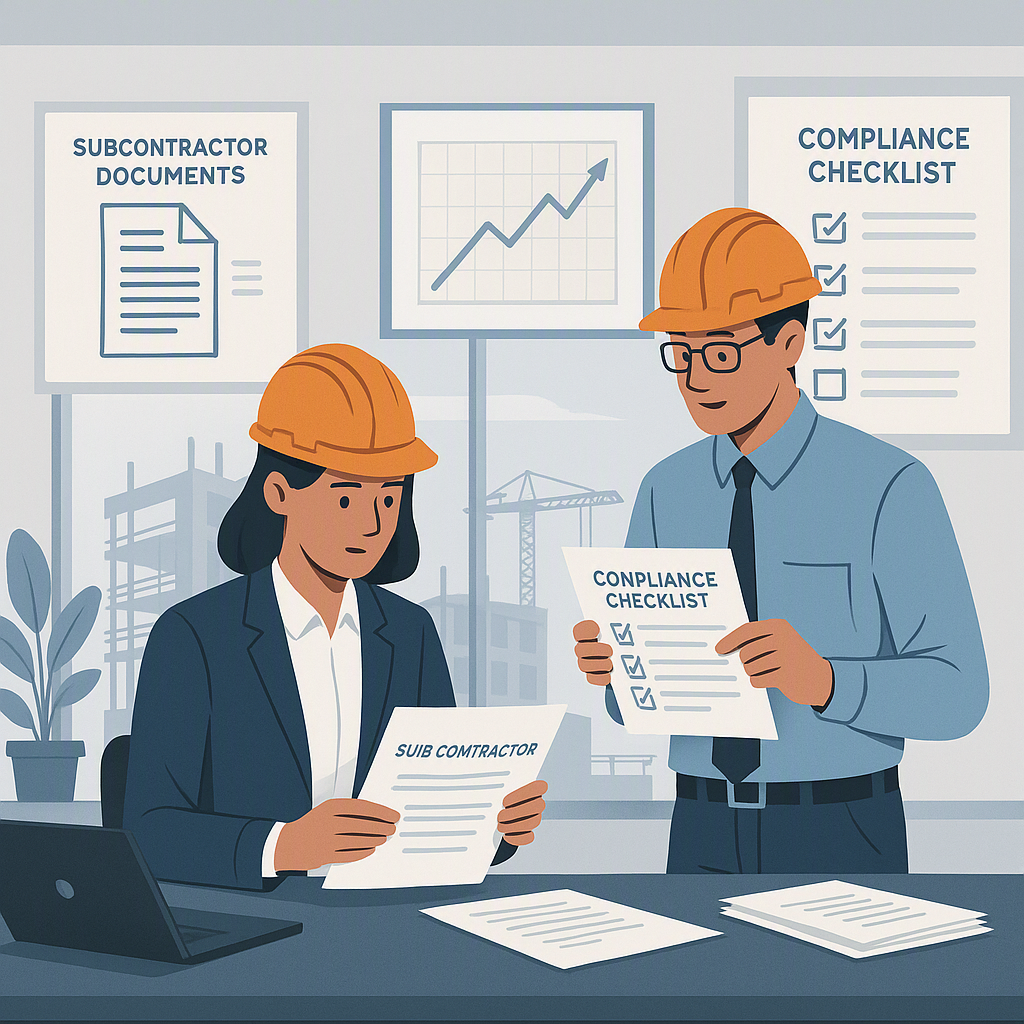
Compliance and Documentation: Regulatory bodies often require evidence of routine maintenance, especially for fire safety systems. Missing these checks or failing to document them can lead to hefty fines or legal action. Systems like CMMS (Computerized Maintenance Management Systems) help automate compliance tracking and ensure documentation is readily available.
-
Vendor Chaos: Managing multiple service providers for different systems can be a logistical headache. Without a centralized system, overlapping schedules, miscommunications, and delays frequently occur. Consolidating vendors or using integrated management software can streamline operations.
-
Asset Lifecycle Management: Many contractors lack visibility into an asset’s lifecycle—from procurement to maintenance to disposal. This leads to underestimating replacement costs and overestimating remaining useful life. Asset management systems solve this by providing clear data on depreciation, service history, and expected end-of-life.
Why Procurement Is Critical in Hard FM
A lot of Hard FM issues don’t start with maintenance—they start with procurement. Poor procurement decisions result in higher maintenance costs, shorter equipment lifespans, and operational inefficiencies.
Here’s how structured procurement workflows help:
- Material Requisition (MR): Clearly define your requirements upfront. For example, specify energy-efficient HVAC units or plumbing fixtures with industry-standard certifications.
- Request for Quotation (RFQ): Solicit quotes from multiple vendors. Compare pricing, warranties, and service agreements. Look beyond upfront costs—long-term reliability matters.
- Vendor Offers: Evaluate offers based on technical specifications, compliance standards, and delivery timelines.
- Purchase Order (PO): Lock in warranties and service agreements during procurement to minimize future risks.
For a practical breakdown of how this workflow can save you time and money, check out The Ultimate Guide to Procurement Workflows in Construction.
The Role of Real-Time Dashboards in Hard FM
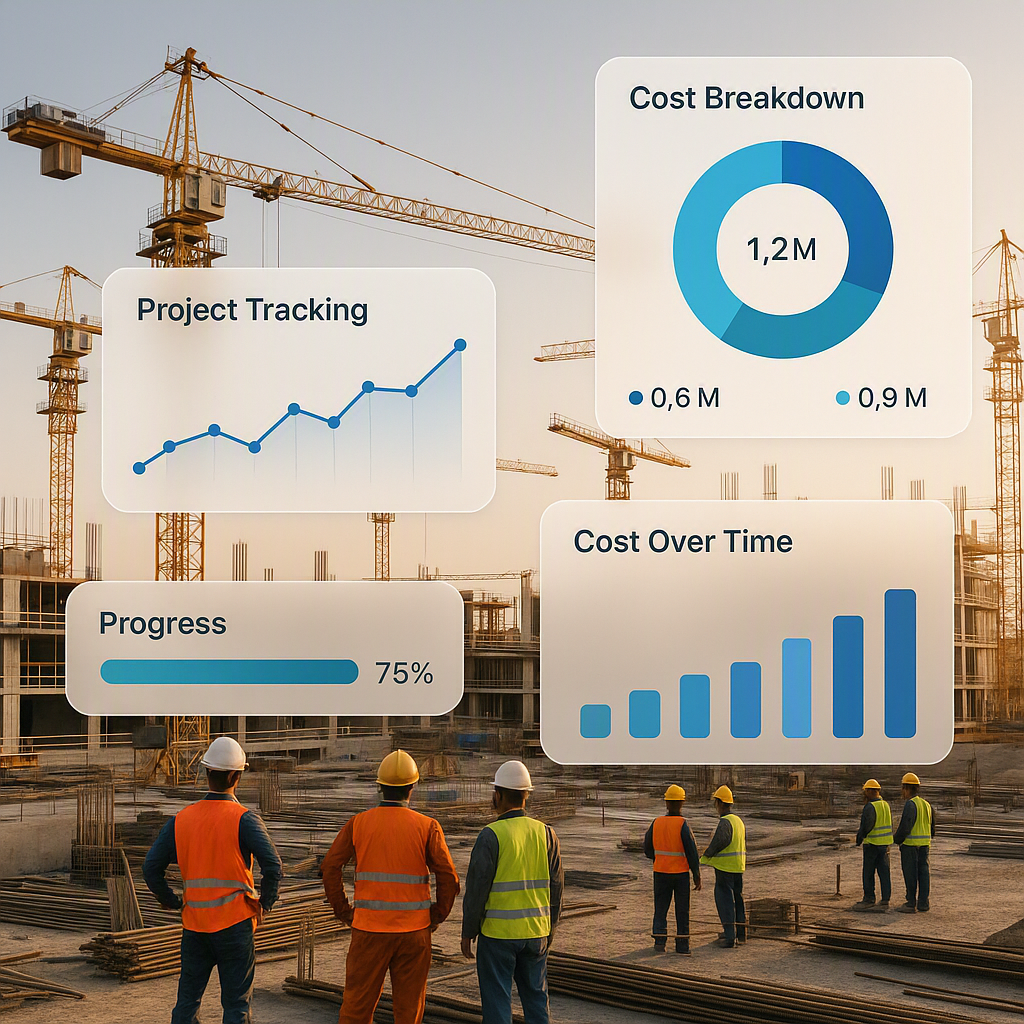
Tracking is everything in Hard FM. Without real-time visibility, contractors risk missing maintenance deadlines, overspending on repairs, or falling out of compliance. Here’s what a good dashboard should offer:
- Maintenance History: Know exactly when each asset was last serviced.
- Usage Data: Track hours of operation for machinery and equipment.
- Compliance Alerts: Get notified about overdue inspections or certifications.
- Budget Tracking: Compare actual maintenance spend against forecasts.
A common mistake contractors make is relying on spreadsheets or disconnected systems. Real-time dashboards aggregate data from multiple sources—asset management, procurement, and finance—and present actionable insights. For more on this, see How Real-Time Dashboards Improve Project Profitability.
Practical Example: Asset Lifecycle Management in Hard FM
Imagine managing a large office building with 10 elevators, each with a lifespan of 20 years. Regular maintenance ensures they last the full 20 years, but missing service cycles accelerates wear and tear.
An asset lifecycle management system tracks:
- Purchase date and warranty terms.
- Maintenance schedules and service history.
- Depreciation and remaining useful life.
- Disposal or upgrade timelines.
This system provides a digital health record for your assets, enabling smarter decisions. Regular maintenance extends asset life, reduces downtime, and lowers replacement costs.
FAQs
1. What’s the difference between Hard FM and Soft FM? Hard FM deals with physical assets like HVAC, lighting, and plumbing. Soft FM covers services like cleaning, security, and catering—tasks that support the people in a facility rather than its infrastructure.
2. What’s the biggest compliance risk in Hard FM? Fire safety is a top concern. Neglecting fire alarm tests or failing to maintain extinguishers can lead to severe penalties. Always document your compliance activities.
3. How can I choose the right Hard FM vendors? Start with an RFQ process. Ask for detailed proposals, compare costs, and evaluate service quality. Don’t just go for the cheapest option—consider long-term reliability and service agreements.
4. Should I invest in a CMMS for Hard FM? Yes, especially if you manage multiple assets across different sites. CMMS systems automate maintenance schedules, track compliance, and provide real-time data, reducing oversight risks.
5. What’s the ROI of investing in an asset management system? While we can’t put an exact number on it, reducing unplanned maintenance, extending asset life, and ensuring compliance can save significant costs over time.
Comparison Table: CMMS vs Manual Tracking
| Feature | CMMS | Manual Tracking |
|---|---|---|
| Automation | Schedules maintenance tasks | Requires manual scheduling |
| Compliance Tracking | Alerts for overdue checks | Relies on human oversight |
| Data Accuracy | Centralized and real-time | Prone to errors |
| Asset Lifecycle Insights | Detailed reports | Limited visibility |
| Initial Cost | Higher upfront cost | Lower upfront cost |
| Long-Term ROI | High due to efficiency gains | Low due to inefficiencies |
Call to Action
If managing Hard FM feels like juggling too many balls, it’s time to invest in tools that simplify the process. ProjectsNext offers structured workflows and real-time dashboards to help you manage procurement, compliance, and asset lifecycles efficiently. Get started free →
Learn more at JobNext.ai