The Silent Killer of Contractor Margins: Procurement Chaos
Margins in construction are razor-thin. If you’re running multiple projects, one bad procurement decision can sink profitability across the board. Missed rate contracts, late purchase orders, and chaotic RFQ workflows are common culprits. The worst part? You often don’t realize the damage until month-end reports show red numbers across your BOQs.
Why does this happen? Because construction procurement is inherently messy. Multiple trades, dozens of vendors, fluctuating rates — it’s a perfect storm of complexity. But ignoring procurement inefficiencies isn’t an option. According to ProjectsNext, poor cost tracking can erode margins faster than any other operational issue.
Let’s break down how smarter procurement solutions tackle this problem.
Structured Workflows: The MR → RFQ → PO Chain
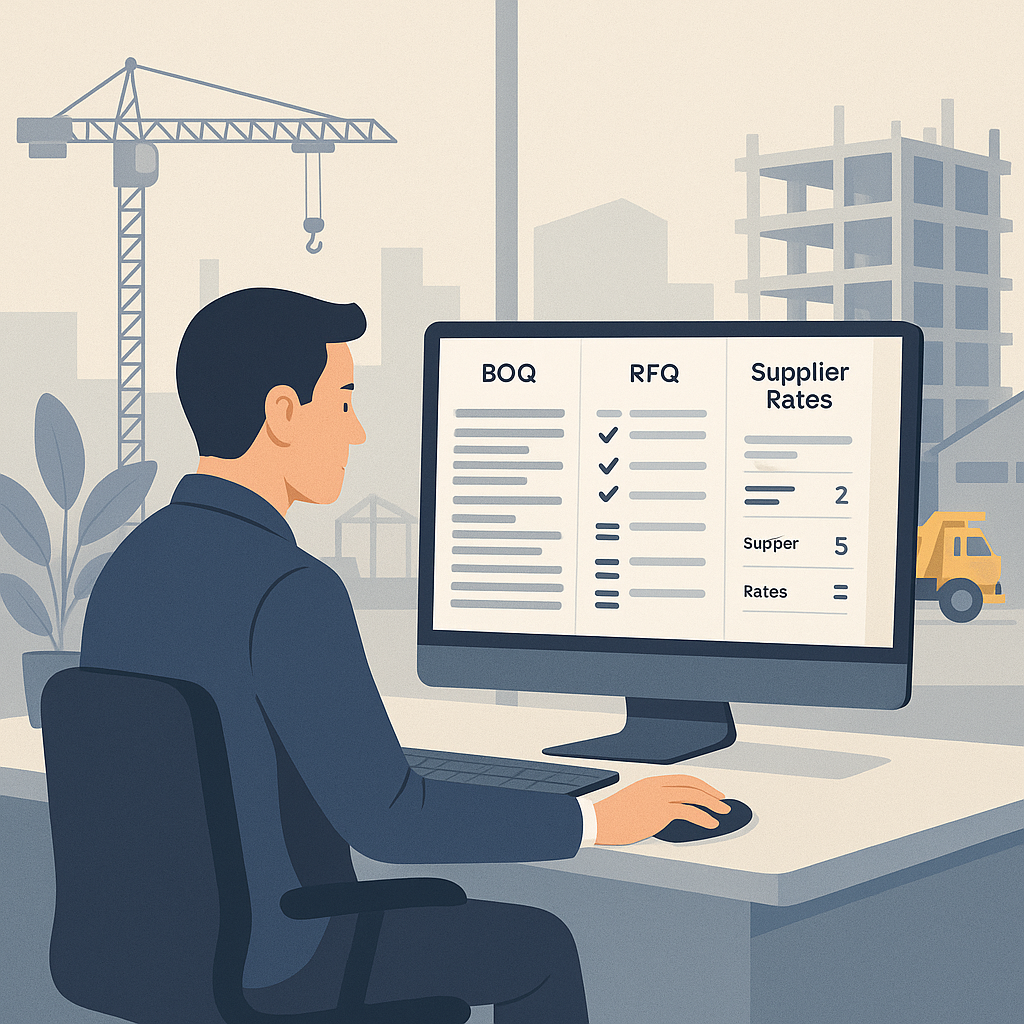
One of the most common mistakes contractors make is skipping structured workflows. Instead of starting with a clear Material Requisition (MR), teams jump straight to vendor calls or WhatsApp requests. Sounds faster, right? Wrong.
Here’s what happens:
- Unclear Requirements: Without a proper MR, vendors quote based on vague scopes, leading to inaccurate pricing.
- No Competitive Bidding: RFQs get sent to 1-2 known vendors, bypassing L1/L2 comparisons.
- Approval Delays: Without a streamlined PO process, approvals sit in inboxes for days.
Actionable Steps to Adopt Structured Workflows
- Standardize Material Requisitions (MR): Ensure every project team uses a standard format for requisitions. This format should specify item details, quantities, and urgency.
- Automate RFQs: Use procurement software to send RFQs to multiple vendors simultaneously. This eliminates manual errors and ensures competitive pricing.
- Set PO Approval Limits: Define approval thresholds for POs based on project budgets. Automate approvals for recurring materials like concrete or steel.
- Track Workflow Metrics: Monitor how long each stage (MR, RFQ, PO) takes. If approvals consistently stall, investigate and resolve bottlenecks.
By implementing structured workflows, you reduce manual errors, improve transparency, and prevent unnecessary delays.
Locking Supplier Rates: Preventing Price Surprises
Ever had a vendor hike prices mid-project? It’s infuriating. Rate volatility is a major contributor to margin erosion. Many teams rely on verbal agreements or outdated rate libraries, leaving them exposed.
Why Rate Contracts Are Crucial
- Predictability: Locked rates ensure your project estimates remain accurate.
- Reduced Negotiation Stress: You avoid the back-and-forth of renegotiating prices for repeat orders.
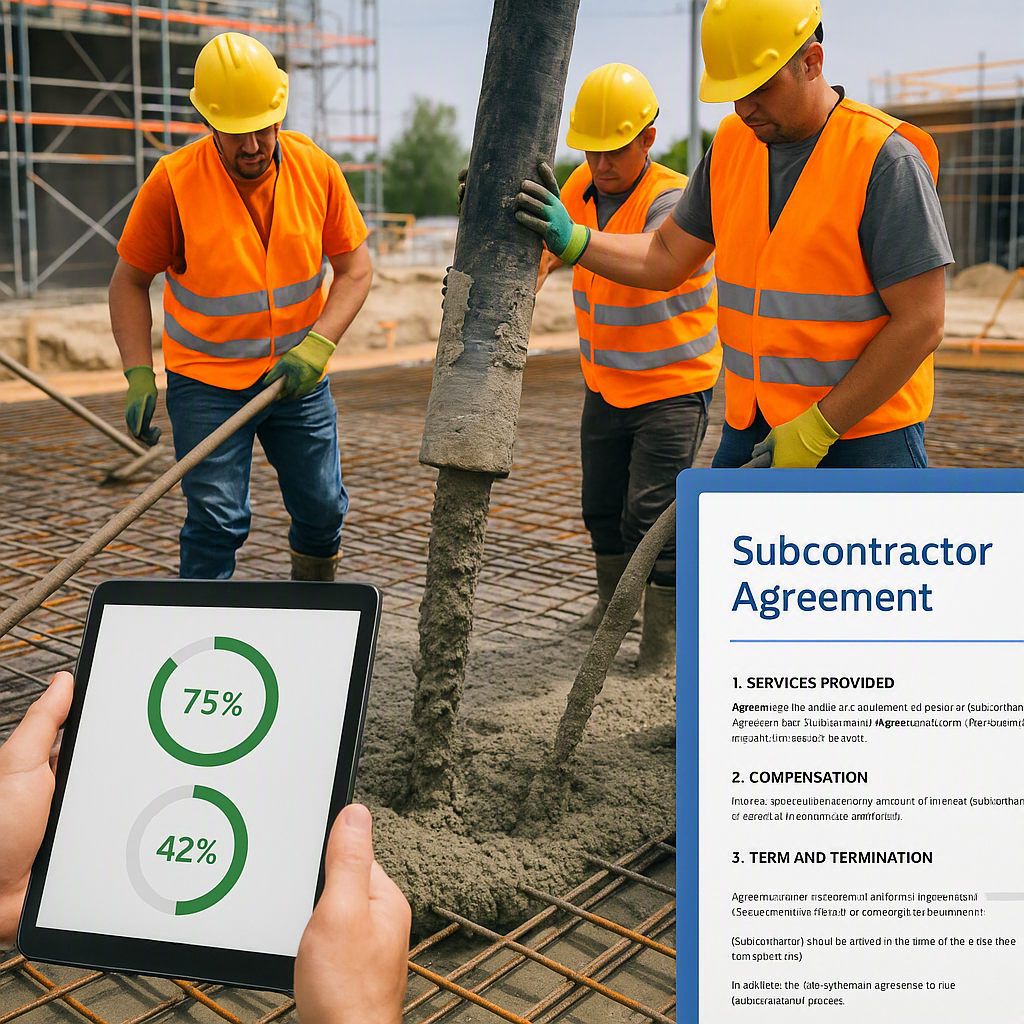
- Vendor Accountability: Written contracts hold vendors accountable to agreed pricing.
How to Implement Rate Contracts
- Identify High-Volume Materials: Focus on materials with significant spend, such as cement, steel, aggregates, or electrical fittings.
- Negotiate Long-Term Contracts: Work with vendors to lock prices for 3-6 months or longer. Use historical purchase data to justify bulk discounts.
- Use Procurement Tools: Store locked rates in software that flags discrepancies during purchase orders.
- Audit Vendor Compliance: Regularly check invoices against locked rates. Any deviations should trigger immediate follow-ups.
The ProjectsNext blog highlights how locking rates upfront can save contractors significant costs, especially for recurring orders.
Real-Time BOQ Tracking: Catching Cost Overruns Early
BOQs are the backbone of any construction project. But they’re also a major source of margin leaks. If your actuals exceed the BOQ, you’re bleeding money. Many contractors only realize this during reconciliation — when it’s too late.
Benefits of Real-Time BOQ Tracking
- Preventive Alerts: Catch cost overruns before they spiral out of control.
- Improved Accountability: Teams can match purchases against BOQs instantly, reducing reconciliation errors.
- Multi-Project Transparency: For contractors managing multiple sites, real-time tracking ensures no project is overlooked.
Steps to Enable Real-Time Tracking
- Digitize BOQs: Use software to upload BOQs directly into your procurement system.
- Automate Material Reconciliation: Link purchase orders to BOQ quantities and flag mismatches immediately.
- Set Overrun Thresholds: Configure alerts for situations where actuals exceed BOQ limits by 5%, 10%, or other predefined percentages.
- Review Weekly Reports: Analyze cost trends across projects weekly to spot anomalies early.
This isn’t just theory. Real-time tracking has helped GCC contractors protect margins by catching mismatches early.
Common Mistakes in Construction Procurement
- Skipping RFQs: Sending direct POs without competitive bidding.
- Ignoring Rate Contracts: Relying on vendor goodwill instead of locking prices.
- Manual Approvals: Delays caused by email-based workflows.
- Poor Vendor Management: Choosing vendors without performance data.
How to Avoid These Pitfalls
- Implement software that enforces RFQ workflows.
- Train project teams on rate contract negotiation and tracking.
- Use automated approval systems to avoid bottlenecks.
- Track vendor performance over time and prioritize reliable suppliers.
FAQ
Q: How do I start with structured procurement workflows?
A: Begin with a standard MR format. Tools like ProjectsNext provide templates that integrate directly into RFQ and PO workflows. Standardize processes across all teams to ensure consistency.
Q: What’s the benefit of locking supplier rates?
A: Stability. You avoid price hikes and keep your estimates accurate. Locked rates also improve transparency during budgeting and prevent disputes with vendors.
Q: Can BOQ tracking work across multiple projects?
A: Yes. Real-time tracking tools are designed for multi-project setups, ensuring transparency across all sites. This is particularly useful for contractors managing projects in different geographies.
Q: How do I handle vendors who refuse to lock rates?
A: Offer incentives such as bulk orders or long-term partnerships. If vendors are still unwilling, compare alternatives and negotiate aggressively to minimize risks.
Q: What’s the best way to audit procurement workflows?
A: Use software that tracks every stage (MR, RFQ, PO). Review monthly reports to identify delays, cost overruns, or vendor issues. Regular audits help refine workflows and improve margins.
Comparison Table: Manual vs Automated Procurement
| Feature | Manual Workflow | Automated Workflow |
|---|---|---|
| Material Requisition (MR) | Paper-based, prone to errors | Standardized templates in software |
| RFQs | Sent on email/phone, limited vendors | Automated RFQs to multiple vendors |
| Rate Contracts | Verbal agreements | Digitally stored contracts |
| PO Approvals | Delayed due to manual follow-ups | Instant approvals via software |
| BOQ Tracking | Reconciliation after project ends | Real-time tracking and alerts |
The Bottom Line
If you’re losing margins to procurement inefficiencies, the fix is simpler than you think. Structured workflows, locked rates, and real-time tracking aren’t just features — they’re lifelines for profitability.
ProjectsNext offers tools to streamline these processes. If margin erosion is a problem for your team, it’s worth exploring. Get started free →
Learn more at JobNext.ai