The Subcontractor Cost Problem Nobody Talks About
Subcontractor costs can quickly spiral out of control if not managed properly. Payments may pile up faster than the work delivered, leading to disputes and financial strain. Why does this happen? Often, it's due to vague contracts, manual approvals, and inconsistent progress tracking.
But here's the thing: it doesn't have to be this way.
Why Work Orders Are the First Line of Defense
A structured work order system is one of the most effective tools against cost overruns. Think of it as the rulebook for every subcontractor on-site. A good work order doesn't just say "Do the plastering for ₹X." It breaks down the scope, milestones, and payment triggers. For example:
- Scope of Work: "Plastering for 5,000 sq ft of wall area, including surface preparation."
- Milestones: "25% payment on completion of 1,250 sq ft, verified by site engineer."
- Measurement Method: "Joint measurement by contractor and subcontractor with signed-off records."
This clarity eliminates disputes and ensures you're only paying for actual progress.
The Role of Progress-Based Payments
Subcontractors often get paid for work that isn't fully completed, leading to financial inefficiencies. Progress-based payment systems address this issue by tying payments to measurable progress.
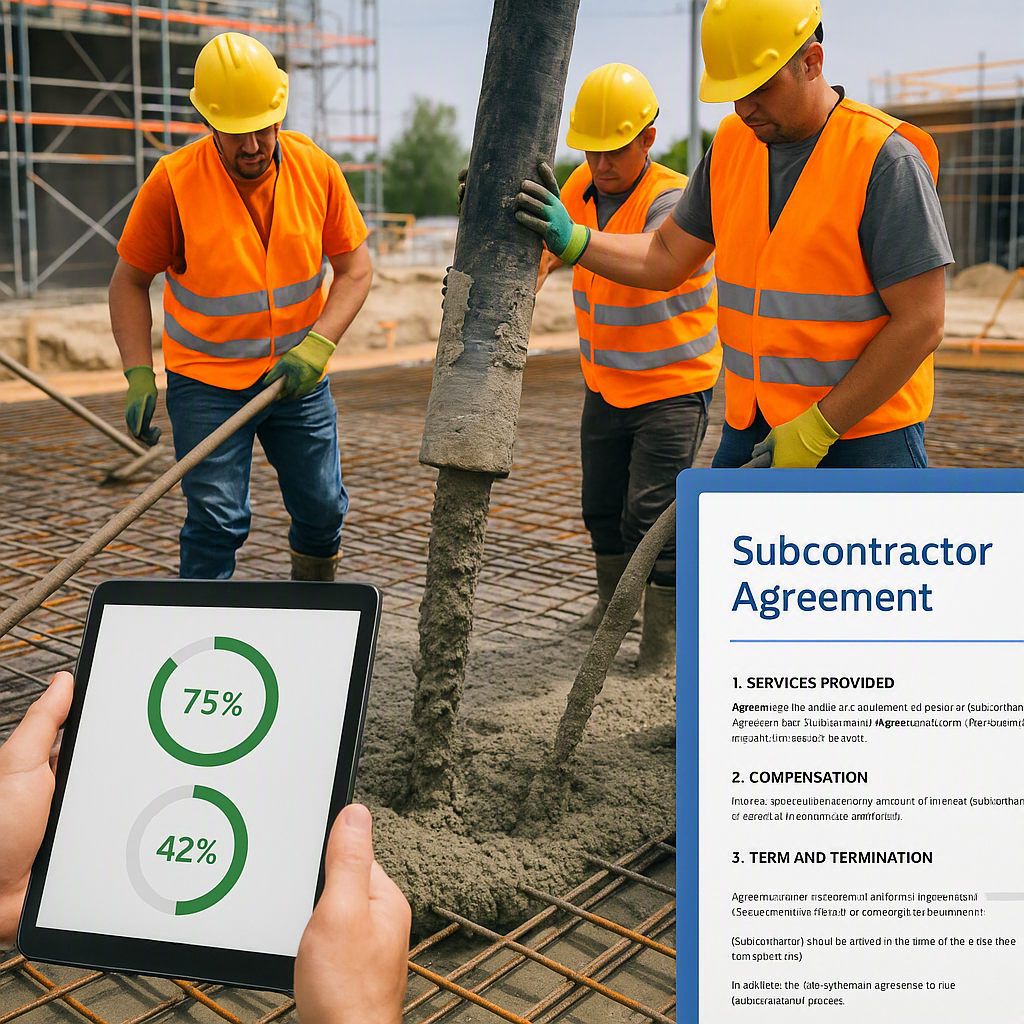
Illustrative example — Instead of lump-sum payments, you can structure payments based on milestones, such as "25% payment after completing 1,250 sq ft of plastering, verified by joint measurement." This ensures payments are released only after work is verified and approved, reducing disputes and cost overruns.
Why Manual Tracking Doesn't Cut It Anymore
Manual methods like spreadsheets or messaging apps are prone to errors, delays, and miscommunication. For example, waiting weeks for a progress update only to find out the subcontractor is behind schedule can lead to rushed decisions and increased costs.
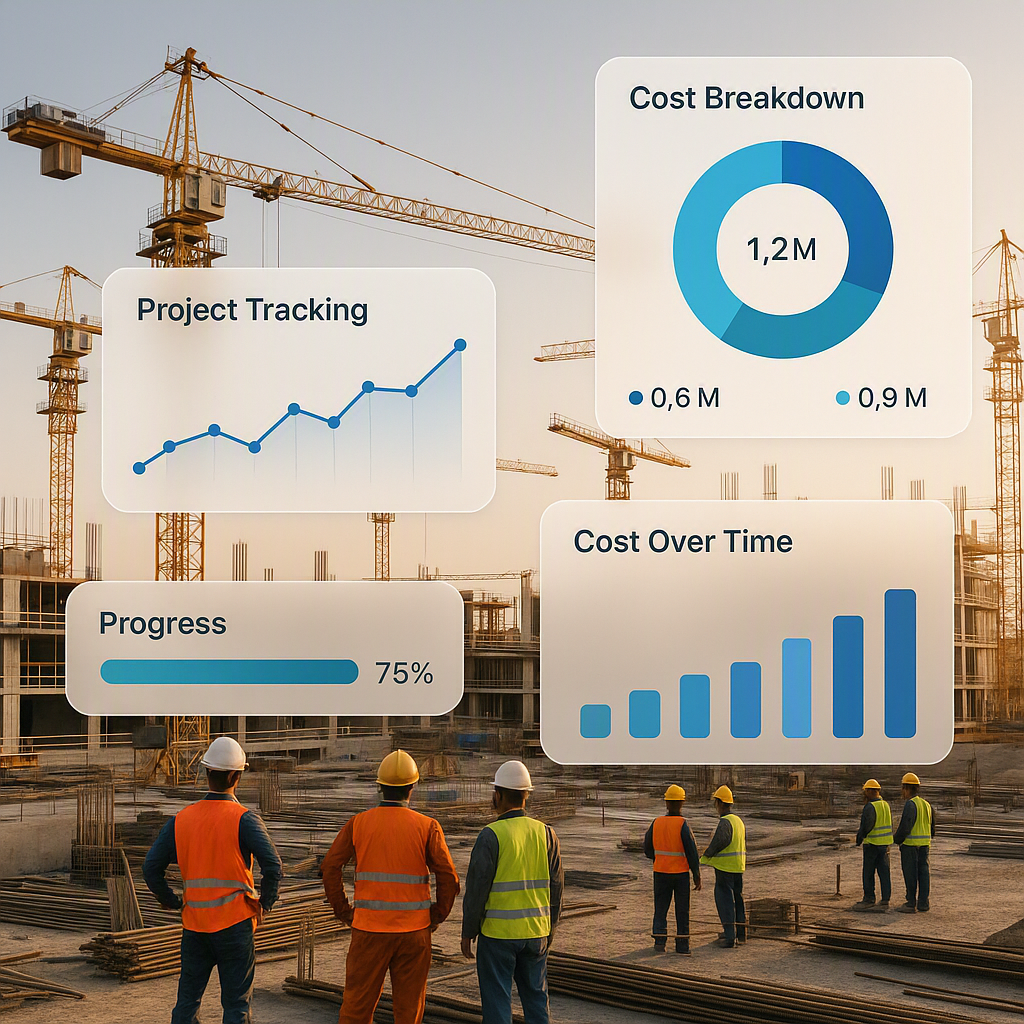
A better approach is using tools that provide real-time updates and dashboards to track progress as it's reported. This allows you to identify issues early and take corrective action before costs spiral.
Common Mistakes to Avoid
- Vague Scopes: If your work order doesn't specify what's included (and excluded), you're inviting trouble.
- No Measurement Protocols: Who measures the work? How often? What happens if there's a dispute? Answer these upfront.
- Skipping Approvals: Always have a multi-level approval chain, especially for payments.
- Ignoring Variations: Subcontractors often request extra payments for "variations." Have a process to verify and approve these.
FAQ:
Q: How can I ensure subcontractors stick to the timeline?
A: Tie payments to milestones and use tools that provide real-time progress tracking to spot delays early.
Q: What if a subcontractor disputes the measurements?
A: Use joint measurement protocols with signed-off records to avoid misunderstandings.
Q: Are these tools expensive?
A: Many tools are scalable and tailored for small to mid-size contractors, making them accessible and cost-effective.
The Bottom Line
Subcontractor mismanagement isn't just frustrating—it’s expensive. But with structured work orders, progress-based payments, and real-time tracking, you can keep costs in check and ensure your projects stay on budget.
By implementing these strategies, you can reduce disputes, improve efficiency, and prevent cost overruns in your construction projects.
Learn more at JobNext.ai