Why Hard FM Demands Precision (and What Happens When It Doesn’t)
Picture this: you’re managing HVAC maintenance across six high-rise buildings in Dubai. The client calls, furious about a chiller breakdown. The response team scrambles, but parts aren’t in stock, the vendor is unresponsive, and the downtime stretches into days. Sound familiar? This is the chaos contractors face when hard facilities management (Hard FM) isn’t handled systematically.
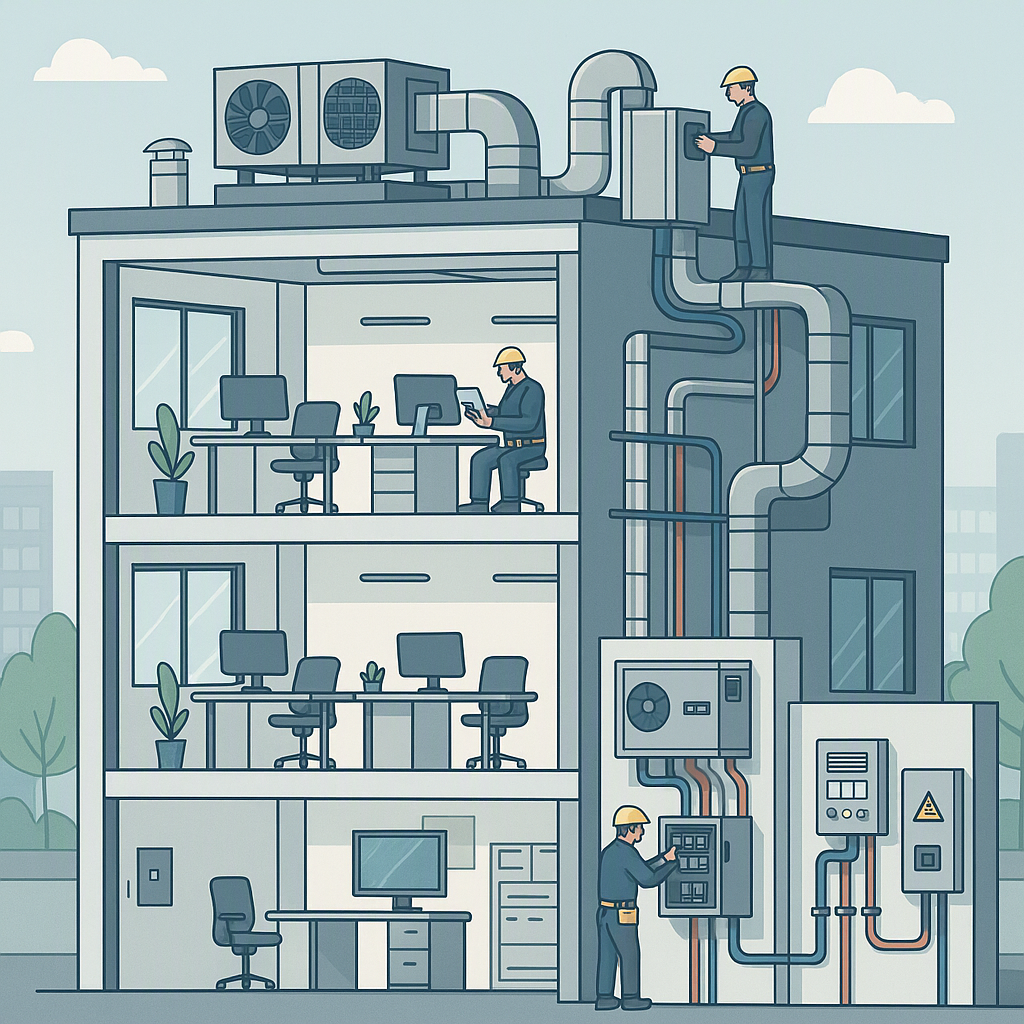
Hard FM covers critical services like HVAC, electrical systems, plumbing, fire safety, and elevators. It’s about keeping buildings operational and compliant. Unlike soft FM (think cleaning or landscaping), Hard FM failures aren’t just inconvenient—they’re liabilities. Clients in India and GCC demand airtight compliance with safety codes and minimal downtime. So how do you deliver?
Hard FM Services: The Essentials
Before we get into solutions, let’s break down Hard FM. These are the backbone systems of any building:
- HVAC Systems: Heating, ventilation, and air conditioning. Think split ACs, central chillers, ductwork, and thermostats.
- Electrical Systems: Everything from power distribution panels to emergency lighting and UPS systems.
- Plumbing: Water supply, drainage, and sewage systems.
- Fire Safety: Fire alarms, sprinkler systems, and fire extinguishers.
- Lifts and Escalators: Maintenance and inspections to prevent breakdowns.
- Building Fabric: Structural repairs, roofing, and façade maintenance.
Managing these systems isn’t just about keeping the lights on. It’s about ensuring compliance with safety standards like the NFPA codes or local fire department approvals. Miss a compliance check, and you’re looking at fines—or worse, accidents.
Why Is Hard FM So Critical?
Hard FM doesn’t just maintain physical assets—it ensures business continuity. Imagine a power outage in an IT office that runs critical servers, or a fire safety system malfunction in a residential high-rise. The consequences aren’t just monetary—they’re a matter of life and safety. Compliance with laws, such as electrical safety codes or fire safety regulations, is non-negotiable. In GCC countries, for example, the penalties for non-compliance can result in operational shutdowns or personal legal liabilities for contractors.
The Hard FM Challenge: Cost and Chaos
Managing Hard FM services is like juggling knives. Here’s why contractors struggle:
- Vendor Delays: You need a replacement part for a chiller, but the vendor takes two weeks to deliver. Meanwhile, tenants are sweating.
- Compliance Gaps: Forgetting to renew a fire safety certificate can shut down operations.
- Untracked Costs: Without real-time tracking, you don’t know if a repair job is eating into your margins until it’s too late.
- Disconnected Systems: One team handles procurement, another tracks maintenance, and neither talks to finance. The result? Duplicate orders and missed approvals.
- Manual Workflows: Relying on spreadsheets and WhatsApp for work orders is a recipe for errors.
The Hidden Costs of Mismanagement
The cost of mismanaging Hard FM goes beyond the immediate expenses of repairs. Here are some often-overlooked consequences:
- Client Retention Risks: Long downtimes or compliance lapses erode trust, leading to lost contracts.
- Reputational Damage: No one wants to be the contractor known for repeated system failures.
- Legal Liabilities: Non-compliance with safety regulations can result in fines, lawsuits, or even imprisonment in severe cases.
- Operational Inefficiencies: Unchecked costs and delayed approvals eat into your margins without you even realizing it.
A Smarter Way to Manage Hard FM
Here’s the good news: these problems aren’t unsolvable. One key strategy is using structured workflows to link procurement, maintenance, and compliance. Let me explain.
Imagine you’re managing a large project with multiple Hard FM responsibilities. You’ve got HVAC systems that need quarterly servicing and a fire alarm system requiring annual inspection. Here’s how you could handle it:
Step-by-Step Approach:
- Create a Material Requisition (MR): For every service or replacement part needed, start with an MR. This ensures all requests are documented and traceable.
- Issue a Request for Quotation (RFQ): Send RFQs to multiple approved vendors to get competitive pricing.
- Compare and Approve Offers: Evaluate vendor offers based on cost, delivery timelines, and quality. Issue a Purchase Order (PO) to the chosen vendor.
- Track Work Orders (WO): Assign the maintenance or repair task to a subcontractor or internal team using a WO. Ensure progress is tracked and updated in real time.
- Monitor Costs in Real Time: Use dashboards or cost-tracking tools to ensure the project stays within budget.
This structured MR → RFQ → PO → WO flow ensures no step is missed. It also creates a transparent audit trail, essential for both compliance and cost control. Tools like ProjectsNext simplify this process by automating approvals and tracking costs, but even basic systems can help if implemented correctly.
Real-Time Dashboards: A Hard FM Lifesaver
One underrated tool in Hard FM management is the real-time dashboard. Imagine you’re tracking maintenance across 12 buildings. A dashboard can show you:
- Upcoming Maintenance Tasks: Which systems are due for servicing.
- Vendor Performance: Response times for pending POs and WOs.
- Compliance Deadlines: Fire safety, electrical checks, and other regulatory requirements.
- Cost Tracking: Actual vs. budgeted costs for each service.
Why Dashboards Matter
Without this visibility, you’re flying blind. Real-time dashboards help you:
- Prevent Surprises: Spot potential delays or cost overruns before they become critical.
- Increase Accountability: Teams and vendors know they’re being monitored, which improves performance.
- Enhance Decision-Making: Data-driven insights allow you to allocate resources more effectively.
If you want a deeper dive into how dashboards prevent margin erosion, check out this guide from ProjectsNext.
Common Mistakes in Hard FM (and How to Avoid Them)
Even seasoned contractors mess up Hard FM. Here’s what to watch for:
- Ignoring Preventive Maintenance: It’s tempting to skip scheduled servicing to save costs, but breakdowns cost more in the long term. Invest in preventive maintenance to improve equipment lifespan and reduce emergency repairs.
- Relying on Informal Approvals: WhatsApp approvals might work for small teams, but they’re unreliable for audit trails. Use formalized workflows with documented approvals.
- Overlooking Compliance: Fire safety and electrical audits are non-negotiable. Set calendar reminders or use a compliance tracking tool to avoid missing deadlines.
- Not Vetting Vendors: Cheap vendors can cost more in the long run if their parts fail faster or their services lead to delays.
- Underestimating Downtime Costs: Every hour a system is down affects the client experience—and your reputation. Understand the client’s business impact to prioritize critical repairs.
Final Thoughts
Hard FM isn’t glamorous, but it’s critical. To win in India and GCC markets, contractors need to get serious about tracking costs, streamlining workflows, and meeting compliance standards. Ignoring these basics isn’t an option if you want to stay competitive.
If you’re dealing with procurement chaos or struggling to manage costs in Hard FM, ProjectsNext can help. Start now and see how smarter workflows can transform your margins.
Learn more at JobNext.ai