Hard Facilities Management: Practical Cost and Compliance Fixes for Contractors
The Pain Point: Costs and Compliance Are Killing Margins
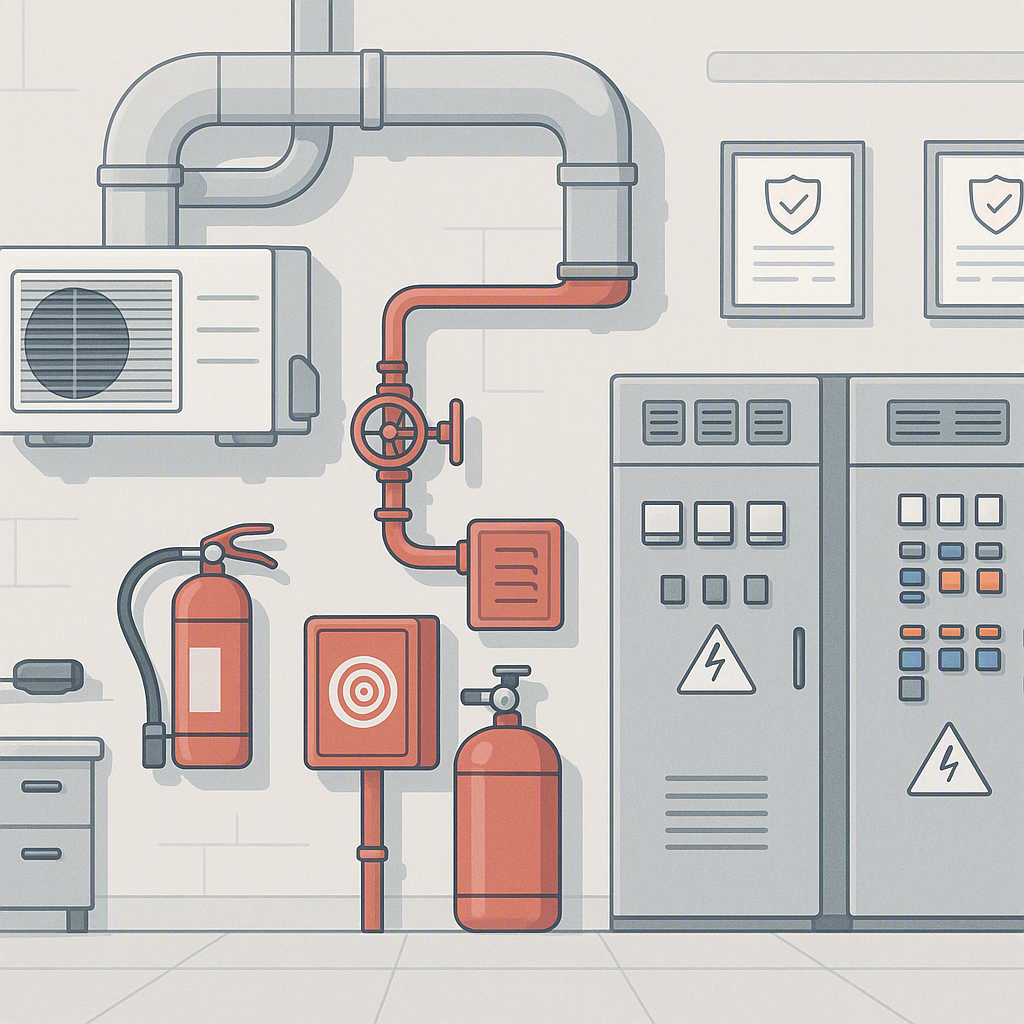
Hard facilities management (FM) is a tough business. Whether you're managing HVAC systems, electrical networks, or fire safety installations, two problems always come up: runaway costs and compliance headaches. Margins shrink fast when procurement is disorganized or compliance gaps lead to penalties.
Take procurement delays as an example. A contractor orders HVAC equipment late, and suddenly labor costs balloon because the team is sitting idle. Or worse, the equipment arrives without proper certifications, triggering compliance fines. These aren't minor annoyances—they're margin killers.
So, how do you fix it? The solution starts with structuring your workflows. Let’s dive into practical, actionable steps to address these issues head-on.
Step 1: Build a Structured Procurement Workflow
Procurement chaos is the silent killer in hard facilities management. Many contractors rely on outdated tools like spreadsheets and emails, which lead to missed approvals, forgotten certifications, or duplicate orders. A structured workflow can eliminate these inefficiencies and save both time and money. Here’s how to implement one effectively:
1. Standardize Material Requisition (MR)
- Use a consistent MR template for all requests. Include fields for quantity, technical specifications, delivery timelines, and project codes.
- Avoid ambiguous language. For example, instead of "6 fans," specify "6 axial fans, 24-inch diameter, 230V, IP54 rating." This clarity reduces miscommunication with vendors.
2. Streamline Request for Quote (RFQ)
- Always send RFQs to at least three vendors to compare pricing and terms.
- Insist that vendors attach relevant compliance certifications (e.g., BIS certification for electrical components or BEE ratings for HVAC equipment). This ensures you’re comparing offers that meet the required standards.
3. Evaluate Vendor Offers Beyond Price
- Don’t fixate solely on the lowest bid. Assess factors like warranty terms, compliance status, and lead times.
- Use a weighted scoring system to compare vendors. For example, price might account for 50%, compliance readiness for 30%, and delivery speed for 20%.
4. Automate Approval Processes for Purchase Orders (PO)
- Set pre-defined thresholds for approvals. For instance, orders below ₹2 lakh might only need a site manager’s sign-off, while larger orders require director-level approval.
- Use procurement software to automate notifications and approvals, reducing bottlenecks.
Pro Tip: Tools like ProjectsNext offer built-in procurement workflows that simplify this process. Their article on How to Perform Quote Comparison in Construction breaks down this approach in detail.
Step 2: Track Compliance in Real-Time
Compliance isn’t just a paperwork issue—it’s a cost issue. Missing statutory requirements like GST or TDS filings can result in penalties that erode your margins. Hard FM contractors also deal with specialized certifications, like fire safety codes (NBC in India, NFPA globally) or energy efficiency ratings (BEE).
Here’s how to ensure compliance without breaking a sweat:
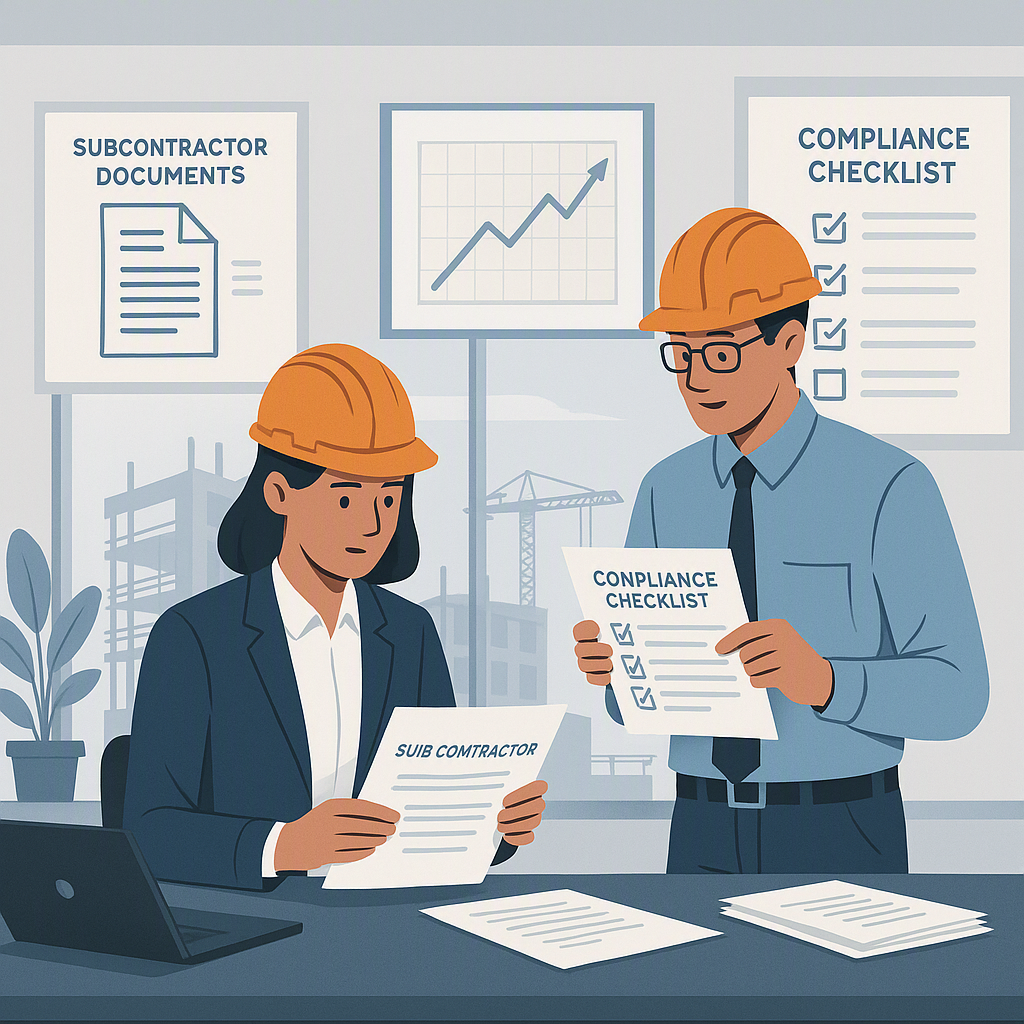
1. Build a Vendor Compliance Database
- Maintain a centralized database of all vendors, along with their certifications and expiration dates.
- Use tags or filters to quickly find vendors who meet specific compliance criteria for a project.
2. Set Up Automated Compliance Alerts
- Use software tools to send alerts for expiring certifications or pending submissions. For instance, if a vendor’s ISO 9001 certificate is about to lapse, you’ll get notified in advance.
- Automate reminders for recurring compliance tasks, such as annual fire safety audits or equipment inspections.
3. Integrate Compliance Checks with Billing
- Link compliance checks directly to your billing process. For example, ensure that GST input credits are verified before processing invoices. Similarly, require proof of certification before releasing final payments to a vendor.
Pro Tip: ERP systems like ProjectsNext integrate procurement, compliance, and billing workflows seamlessly. Their article on Fire Fighting Contracting: Practical Steps to Manage Margins and Compliance offers actionable insights for safety contractors.
Step 3: Optimize Equipment Utilization
Equipment-related inefficiencies are another silent margin killer. Hard FM services often involve expensive assets like HVAC chillers, fire suppression systems, and electrical panels. Poor tracking leads to underutilization, premature wear, or over-purchasing. Here’s how to fix it:
1. Implement Lifecycle Tracking
- Log every stage of the equipment lifecycle, from procurement to final disposal.
- Use QR codes or RFID tags to track equipment location, usage, and maintenance history.
2. Monitor Utilization with Dashboards
- Use dashboards to track site-wise equipment usage. For example, if a fire suppression pump is sitting idle on one site, reassign it to a busier project.
- Set utilization benchmarks (e.g., 80% uptime) to identify underperforming assets.
3. Automate Depreciation Tracking
- Use accounting software to calculate depreciation over time. This helps you avoid overestimating an asset’s value in your financial reports.
- Align your depreciation calculations with tax benefits to optimize cash flows.
FAQs
Q: How do I ensure vendor compliance across multiple sites?
A: Standardize RFQ requirements and maintain a centralized compliance database that all site managers can access. Automated alerts for certification expirations help ensure nothing is missed.
Q: What’s the best way to avoid procurement delays?
A: Structured workflows with automated approval processes can prevent bottlenecks. Additionally, always forecast material needs and place orders well in advance.
Q: How do I track equipment underutilization effectively?
A: Use dashboards to consolidate equipment usage data across all sites. Regular audits and lifecycle tracking also help identify idle or underused assets.
Q: Are compliance fines really that common?
A: Yes, especially in regulated fields like fire safety and energy systems. Missing certifications or failing to meet statutory requirements can result in significant penalties.
Q: Can small contractors afford ERP systems?
A: Many modern ERP tools offer affordable subscription plans tailored to smaller businesses. Look for scalable solutions that grow with your needs.
Mistakes to Avoid
- Skipping Vendor Audits: Always vet your vendors for compliance readiness before onboarding them. A single non-compliant vendor can jeopardize your entire project.
- Relying on Manual Approvals: Manual workflows introduce delays and errors. Automate wherever possible.
- Ignoring Equipment Depreciation: Neglecting depreciation tracking can lead to inaccurate financial reporting and poor planning.
Comparison Table: Tools for Hard FM Contractors
| Feature | Spreadsheets | Basic Procurement Software | ERP Systems (e.g., ProjectsNext) |
|---|---|---|---|
| Compliance Alerts | ❌ | ❌ | ✅ |
| Lifecycle Tracking | ❌ | ✅ (limited) | ✅ (comprehensive) |
| Automated Approvals | ❌ | ✅ | ✅ |
| Real-Time Dashboards | ❌ | ✅ | ✅ |
| Cost | Free | ₹1,000–₹5,000/month | ₹10,000+/month |
Call to Action
If you're dealing with procurement chaos or compliance headaches, ProjectsNext can help. Their structured workflows, real-time dashboards, and compliance tracking tools are designed to tackle these exact pain points. Get started free →
Learn more at JobNext.ai