Why Free Construction ERPs Can Be Tempting
If you're running a small contracting business, free ERP tools might seem like an irresistible offer. Zero upfront cost, basic features to handle procurement and billing, and no lengthy sales pitches. On the surface, it sounds like a dream come true.
But here's the reality: free tools can end up costing you more over time. As your projects scale beyond a single site or a few vendors, the limitations of free ERP systems become painfully apparent. Tight margins, stringent compliance requirements, and the need for real-time insights are all challenges that free tools are ill-equipped to handle. And that's where the hidden costs start to stack up.
The Hidden Costs of Free ERP Software
Free ERP platforms are designed to offer just the basics. Features like material requisitions, invoice tracking, and simple dashboards are often included. However, these tools fall short when it comes to the specialized needs of construction contractors. Let's break down the limitations:
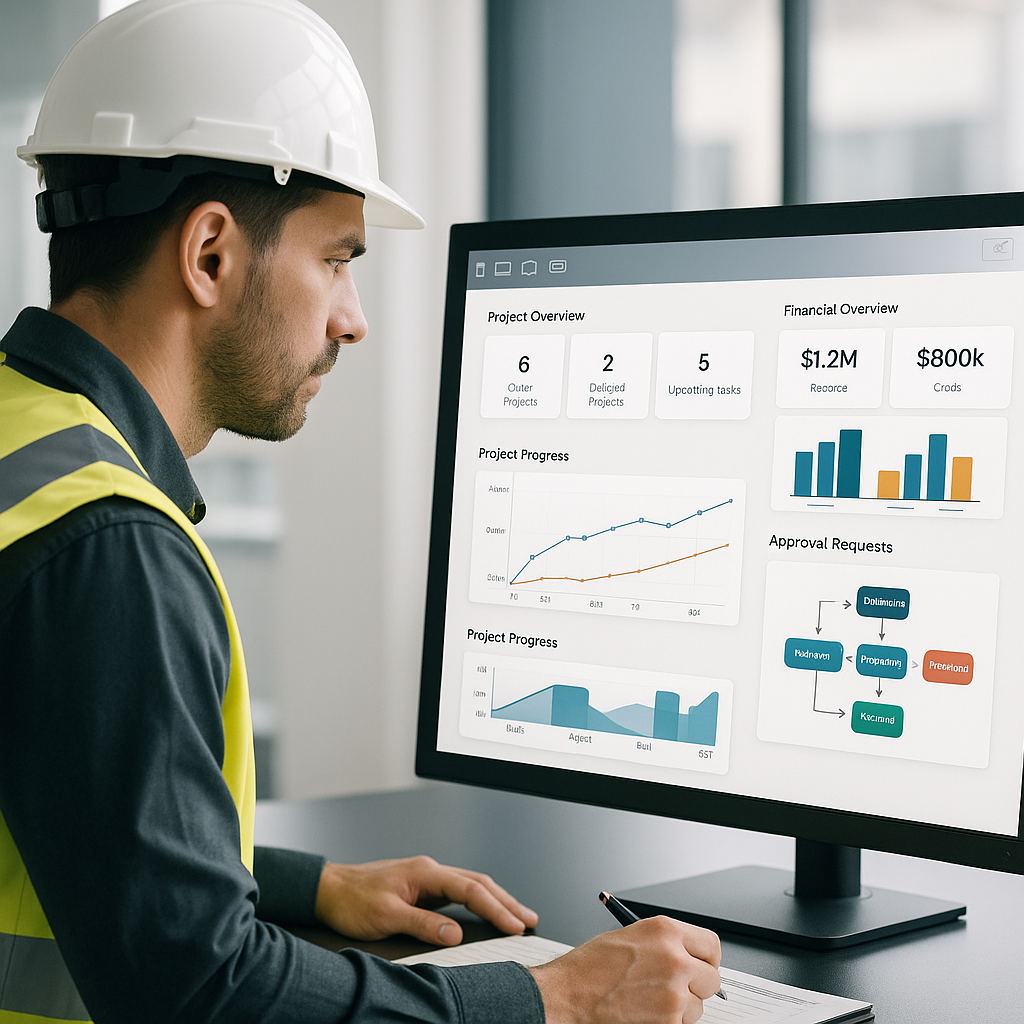
1. Multi-Level Approval Workflows
Free tools often operate on a one-size-fits-all approval process, which might work for minor purchases. But what happens when you need tiered approvals for high-value materials or complex procurement workflows? Without multi-level approval workflows, unauthorized purchases can slip through, leading to budget overruns and inefficiencies.
Actionable Tip: Evaluate your approval process. Do you need tiered approvals based on purchase value, vendor type, or project stage? If so, free tools won't cut it. Platforms like ProjectsNext offer structured workflows that ensure every purchase order gets the right sign-offs at the right time.
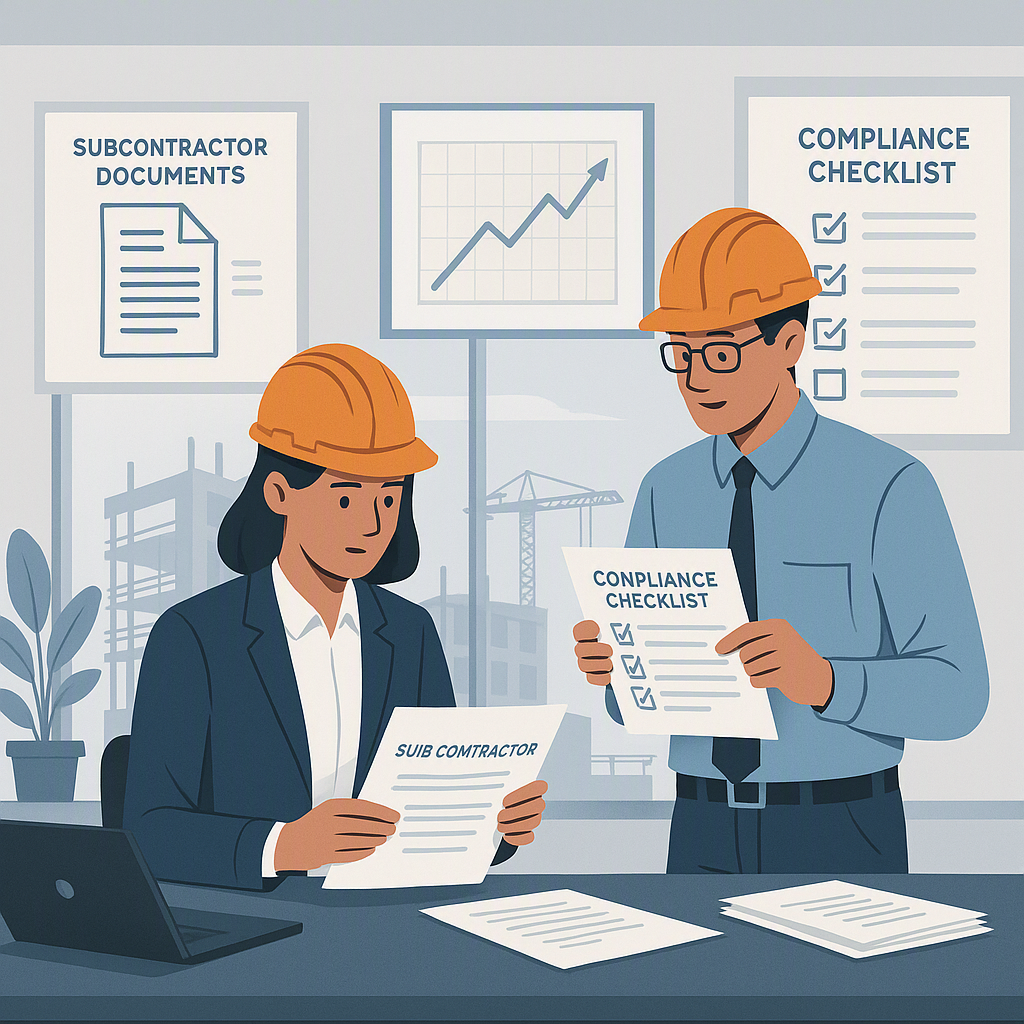
2. GST and TDS Compliance
Construction contractors in India face strict compliance requirements, especially for GST, TDS, and other statutory deductions. Free ERP systems rarely include automated compliance features or integrations with accounting platforms like Tally. This forces contractors to rely on manual calculations, increasing the risk of errors and penalties.
Actionable Tip: If compliance is a recurring pain point, prioritize tools that offer built-in GST/TDS calculations, automated reporting, and easy integration with your existing financial systems. Premium ERPs often have these features baked in.
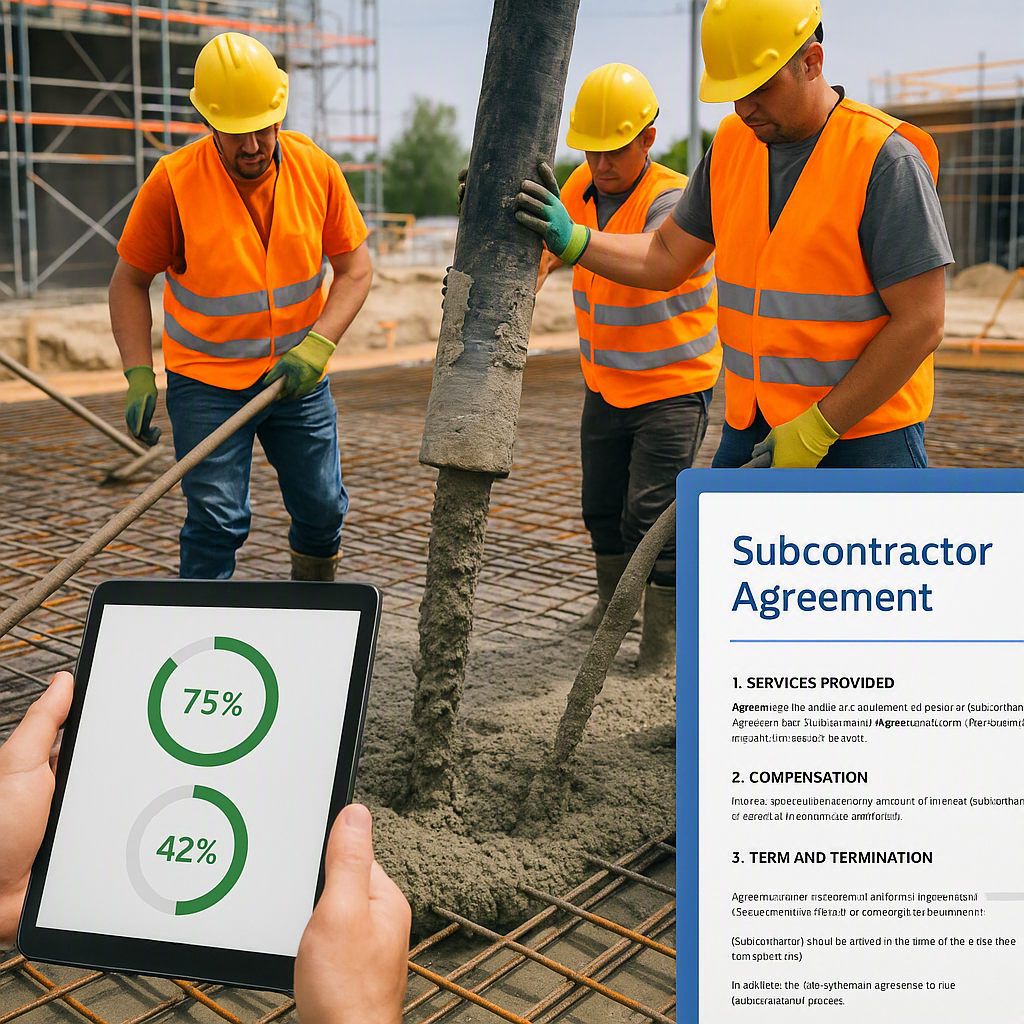
3. Subcontractor Progress Tracking
Managing subcontractors involves more than just issuing work orders. Payments need to be tied to measurable progress to avoid overbilling. Free tools rarely include advanced tracking mechanisms like measurement-based progress tracking, leaving you vulnerable to payment misalignments.
Actionable Tip: Look for ERP systems that allow you to link subcontractor payments directly to site activity or milestones. This ensures that payments align with actual progress, reducing the risk of overpayment.
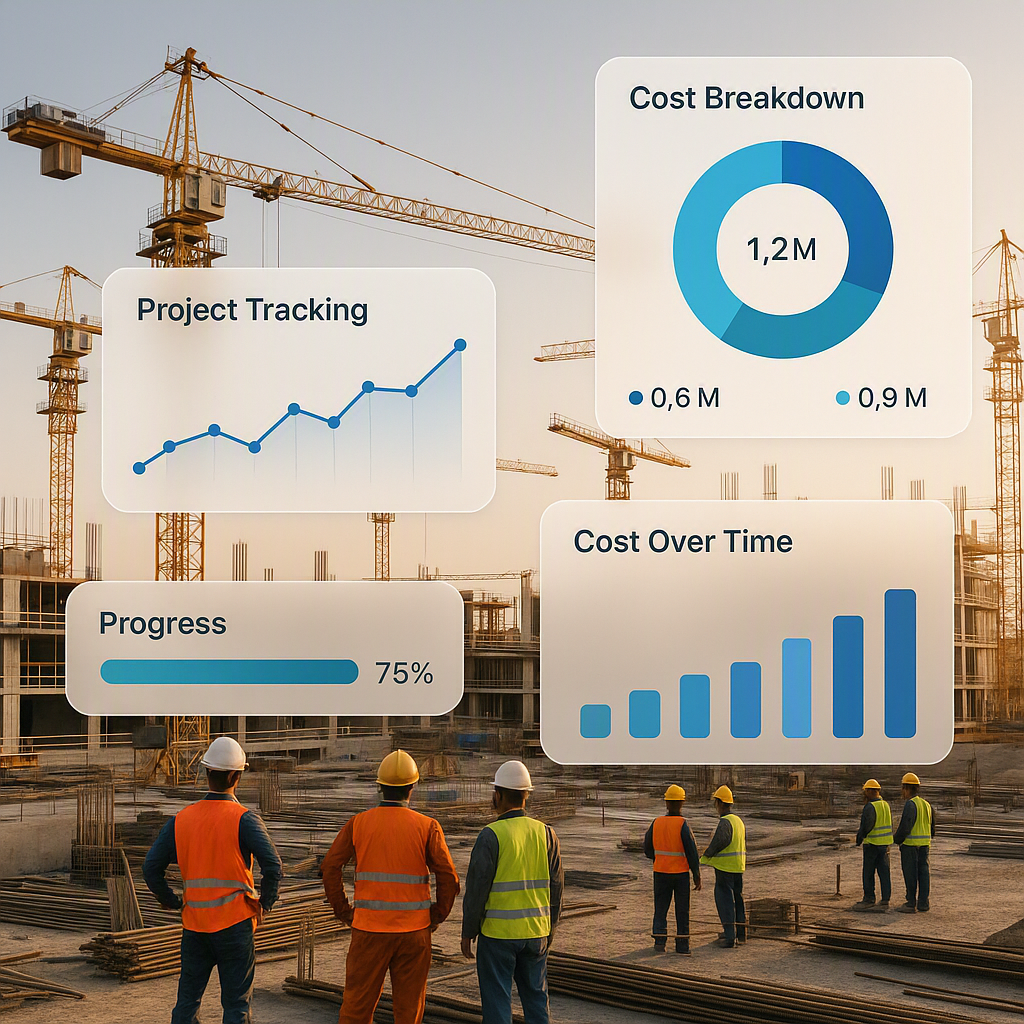
4. Real-Time Project Profitability Monitoring
Free ERP tools might provide a basic snapshot of costs, but they rarely offer real-time tracking of BOQ (Bill of Quantities) versus actual expenses. Without this insight, margin leakages can go unnoticed until the project is complete—by which time it's too late to course-correct.
Actionable Tip: Invest in ERPs that offer real-time cost tracking against BOQs. These insights can help you identify and address margin erosion early.
What Premium ERP Features Bring to the Table
Premium ERP solutions aren't just about more features—they solve specific, costly problems that free tools can't address. Here's a closer look at what you get with a premium system:
| Feature | How It Helps |
|---|---|
| Approval Chains | Multi-level workflows ensure accountability for purchases at every stage. |
| Compliance Automation | GST-ready templates and Tally integrations reduce errors and simplify audits. |
| Subcontractor Cost Controls | Progress-based payments prevent overbilling and align costs with site activity. |
| Unified Platform | Combines procurement, HR, billing, and finance into a single ecosystem. |
These features don't just add convenience—they protect your margins, streamline operations, and ensure compliance. For example, compliance automation alone can save you countless hours of manual work and reduce the risk of costly penalties.
Free or Premium: How to Decide
Choosing between free and premium ERP tools boils down to understanding your specific needs and future growth plans. Here are some key considerations:
1. Project Complexity
- Free ERP Works Best For: Small-scale operations with a single site, limited vendors, and straightforward procurement needs.
- Premium ERP Is Ideal For: Contractors managing multiple sites, complex BOQs, and diverse vendor relationships. If you're juggling multiple moving parts, premium tools bring much-needed organization and efficiency.
2. Compliance Requirements
- Free ERP Works Best For: Businesses with minimal tax or regulatory compliance needs.
- Premium ERP Is Ideal For: Indian contractors subject to GST, TDS, and other statutory deductions. Automation reduces the risk of errors, audits, and fines.
3. Long-Term Growth Plans
- Free ERP Works Best For: Contractors who plan to maintain a small-scale operation.
- Premium ERP Is Ideal For: Businesses looking to scale. Premium tools grow with your business, allowing you to manage increasing complexity without major disruptions.
Common Mistakes Contractors Make
Avoid these pitfalls when choosing your ERP solution:
-
Underestimating Scale Needs
- Free tools may work for your first few projects, but as your operations grow, their limitations become apparent.
-
Ignoring Compliance Gaps
- Manual GST and TDS calculations are time-consuming and prone to error. Non-compliance can result in fines and audits.
-
Skipping Approval Workflows
- Lack of multi-level approvals can lead to unauthorized purchases and budget overruns.
-
Overlooking Integration Needs
- Free tools often lack integrations with accounting software, payroll systems, or project management tools, creating siloed data and inefficiencies.
FAQ
1. Can free ERPs handle multi-site projects?
No. Free tools are typically designed for single-site operations and lack the functionality to manage multiple concurrent projects with distinct BOQs and workflows.
2. Are premium ERPs worth the cost for small contractors?
If you face challenges with compliance, subcontractor payments, or real-time cost tracking, premium ERPs often pay for themselves through margin savings and operational efficiencies.
3. What’s the biggest risk of free ERP tools?
The two biggest risks are poor cost tracking and compliance gaps. These can lead to margin erosion, project delays, and penalties.
4. Can I migrate from a free ERP to a premium solution later?
Yes, but it can be challenging. Data migration from free tools is often limited, and you may face compatibility issues.
5. What features should I prioritize in an ERP?
Look for multi-level approvals, compliance automation, real-time cost tracking, and integrations with your existing tools.
Conclusion
Free ERP tools can work for small, uncomplicated operations, but their limitations become evident as your projects grow in scale and complexity. Premium solutions, like ProjectsNext, provide the advanced features contractors need to manage margins, ensure compliance, and streamline operations.
If you're managing procurement chaos, subcontractor misalignments, or compliance headaches, it's time to consider a premium ERP. Start your journey here →
Learn more at JobNext.ai