EPC Contractors Are Bleeding Margins — Here's Why
Procurement chaos is one of the biggest silent killers of EPC contractor margins. You might think material waste or underbilling are the top culprits, but procurement inefficiencies quietly erode profits year after year.
We’ve seen it firsthand. Duplicate material purchases across projects. Buying new inventory when stock was already available elsewhere. Unauthorized orders exceeding budgets. And the worst offender? Inconsistent vendor pricing for recurring materials.
These aren't one-off mistakes. For mid-sized contractors managing 10+ projects, they snowball into losses of ₹25 lakh or more annually. The math is brutal.
But the good news? Structured ERP workflows can solve this mess. Let’s break it down.
The Procurement Workflows That Actually Work
At its core, procurement is about control — controlling what gets bought, when, and at what price. But manual processes make that nearly impossible. Think sprawling spreadsheets, WhatsApp approvals, and email chains that go missing.
Common Procurement Pitfalls
- Duplicate Material Purchases: This happens when different project teams unknowingly buy the same materials, leading to stockpile waste.
- Inventory Mismanagement: Contractors often order new supplies despite existing stock being available elsewhere.
- Unauthorized Purchases: Team members bypass approval processes, creating budget overruns.
- Inconsistent Vendor Pricing: Without rate contracts, vendors often charge varying prices for the same materials.
Actionable Steps to Fix Procurement
A practical ERP procurement module fixes these issues with:
-
Material Requisitions (MR):
- MR workflows validate demand against budgets.
- Auto-routing prevents duplicate orders by checking inventory availability first.
- Example: A mid-sized contractor reduced material wastage by ₹8 lakh in one year by implementing MR workflows.
-
Rate Contracts:
- Pre-negotiated, time-bound pricing agreements with vendors ensure price consistency.
- Case Study: A Pune-based contractor locked in rates for steel and cement, saving ₹5 lakh across four projects.
-
Comparative Vendor Ranking:
- RFQs rank vendor offers by total landed cost (L1/L2/L3) with detailed line-item comparisons.
- Example: A contractor in Gujarat reduced vendor selection time by 60% using automated RFQ workflows.
-
Bulk Procurement Across Projects:
- Consolidating MR demands across multiple jobs allows contractors to negotiate bulk pricing.
- Data Point: Contractors often save 10-15% on recurring materials like cement and steel through bulk procurement.
Real-Life Impact
One of JobNext’s case studies noted a contractor who slashed ₹12 lakh in procurement spending by enforcing rate contracts and bulk pricing via MR collation across multiple jobs. Read more here.
Why Real-Time Cost Tracking Matters
Even with structured procurement workflows, EPC contractors still face margin erosion if costs aren’t tracked in real time. You’ve probably seen it — budgets approved, orders placed, but no one knows if the project is still profitable until it’s too late.
Benefits of Real-Time Cost Tracking
-
Spend by Job:
- Dashboards break down procurement costs by project, helping identify high-spend areas.
- Case Study: A contractor in Bengaluru discovered that one project consumed 40% of the annual procurement budget due to untracked subcontractor overruns.
-
Category Split:
- Analyze costs by category (materials vs. subcontractor services).
- Example: Contractors often find that subcontractor costs account for 50-60% of procurement budgets.
-
Promised vs. Actual Delivery:
- Track vendor reliability month-to-month.
- Action Item: Replace vendors with consistent late deliveries to improve project timelines.
Procurement Intelligence in Action
A recent JobNext study noted that contractors using real-time dashboards reduced margin erosion by 15% annually.
Avoiding the Subcontractor Trap
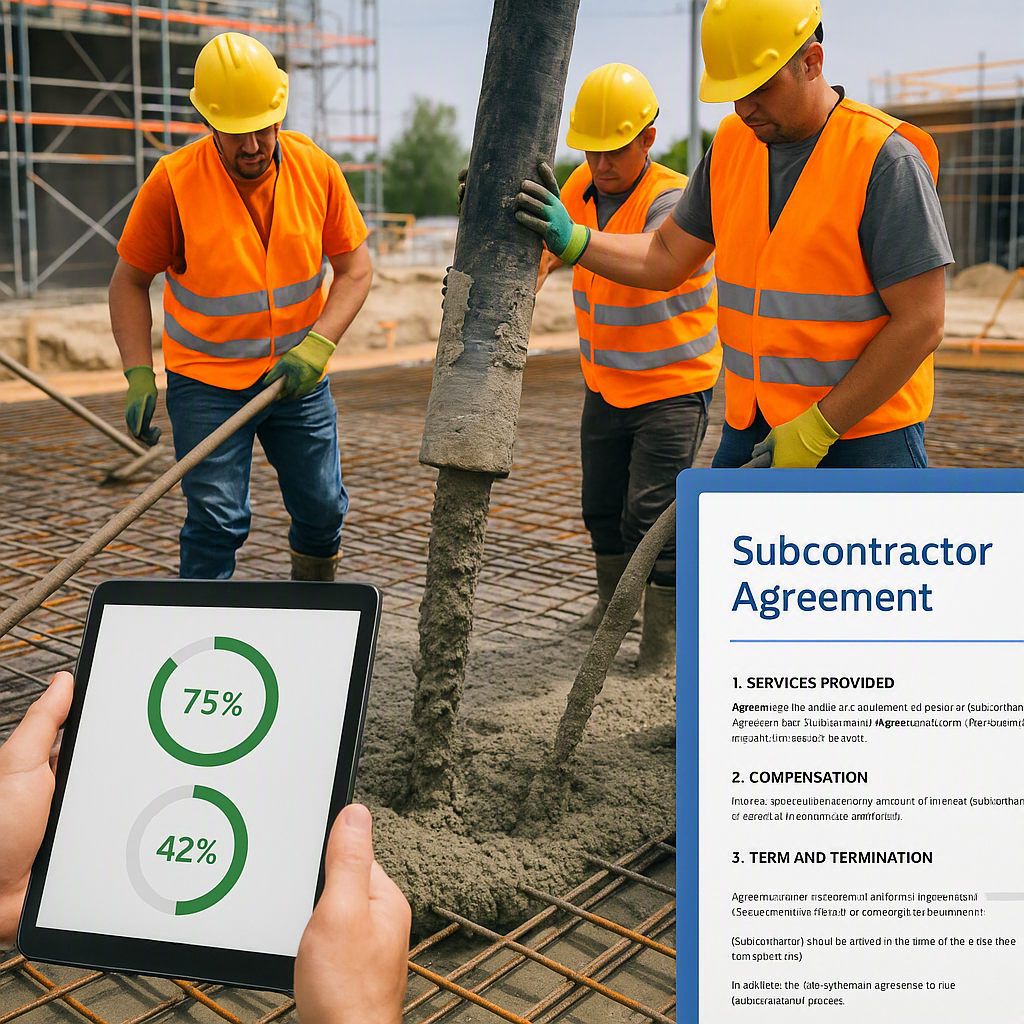
Subcontractor costs are another common procurement pitfall for EPC contractors. Without controls, payment overruns are inevitable. Measurement sheets and progress tracking are critical here.
Common Subcontractor Issues
- Overbilling: Subcontractors inflate progress claims, leading to budget overruns.
- Unapproved Services: Teams authorize subcontractor work without verifying scope.
Solutions for Subcontractor Management
-
Measurement-Based Billing:
- Payments tied to approved measurements prevent inflated claims.
- Running bills auto-deduct recoveries (material recovery, retention, advance recovery).
-
Work Requisition (WR):
- Budget-validated requests for subcontractor services.
- Competitive RFPs ensure cost-effective hiring.
Case Study
A JobNext blog post estimated ₹1.2 crore lost annually due to poor subcontractor cost control. Contractors who shifted to WR workflows saved 18% on subcontractor costs.
Why Most ERP Systems Fail EPC Contractors
Here’s the brutal truth: most ERP systems aren’t designed for construction. They treat procurement like generic inventory management, ignoring workflows specific to EPC projects.
ERP Shortcomings
- Rate Contract Enforcement: Generic ERPs fail to lock in vendor pricing.
- BOQ Integration: Material orders aren’t linked to project scopes.
- Measurement Sheets: Subcontractor billing isn’t integrated with progress tracking.
Tailored Solutions for EPC Contractors
JobNext avoids these pitfalls by offering workflows specifically designed for construction projects:
- Rate Contracts: Integrated directly into procurement workflows.
- BOQ-Based Ordering: Links material requests to project scopes.
- Subcontractor Billing: Measurement sheets tied to payment processes.
Comparison Table: Generic ERP vs. Tailored EPC ERP
| Feature | Generic ERP | Tailored EPC ERP (e.g., JobNext) |
|---|---|---|
| Rate Contract Enforcement | No | Yes |
| BOQ Integration | Limited | Full |
| Subcontractor Billing | Manual | Automated |
| Vendor Ranking | Basic | Comparative RFQ Workflows |
| Real-Time Cost Tracking | Basic | Advanced |
FAQ
Q: Can ERP really prevent duplicate procurement?
Yes. Systems like JobNext validate Material Requisitions against inventory first. If stock exists, it auto-routes the request to issue from stock instead of creating a new purchase order.
Q: How do rate contracts save money?
By locking in pre-negotiated prices for recurring materials. This prevents vendors from increasing rates mid-project and ensures consistent pricing across jobs.
Q: What’s the ROI on ERP for EPC contractors?
Anecdotally, contractors using structured procurement workflows save up to ₹25 lakh annually. The actual ROI depends on project scale and pre-ERP inefficiencies.
Q: Can ERP track subcontractor progress accurately?
Yes. Systems like JobNext link subcontractor measurements directly to payment workflows, preventing cost overruns tied to vague progress claims.
Q: Are bulk procurement benefits measurable?
Absolutely. Contractors often save 10-15% on recurring materials through consolidated demands across multiple projects.
The Bottom Line
Margin erosion isn’t inevitable — it’s fixable. Structured procurement workflows and real-time cost tracking are tools EPC contractors can’t afford to ignore. If you’re tired of bleeding profits to procurement chaos, ERP might be the solution.
Get started with smarter procurement →
Learn more at JobNext.ai