Why Contractors Are Bleeding Margins
Margins in construction are razor-thin. We all know this. But the real killer isn't just rising material prices or unexpected site delays — it's operational inefficiency. Disconnected tools for procurement, billing, and project tracking are costing contractors millions annually. Let’s dig deeper into how this happens and, more importantly, how it can be fixed.
The Problem with Legacy Systems
Take subcontractor payments, for example. Most contractors still rely on spreadsheets or outdated systems like FOUNDATION ERP or CMIS. These tools lack the automation and integration needed to enforce budget discipline. Payments often get approved without verifying actual progress.
The result? Cost overruns averaging ₹1.2 crore annually for mid-size contractors in India and GCC regions. This isn't just speculation — data from recent industry reports back this up.
Another common pitfall is procurement delays. A lack of real-time tracking means materials don’t arrive on time. When delivery schedules slip, laborers sit idle, and site progress grinds to a halt. This inefficiency can add up to ₹12-15 lakh in avoidable costs per project annually.
How Multi-Tenant ERP Solves These Problems
Multi-tenant construction ERP systems are purpose-built to address these inefficiencies. But what exactly makes them different? Let’s break it down:
1. Enforcing Budget Discipline
Every rupee spent is tied directly to the approved budget. Subcontractor invoices are validated against progress measurements. Here’s how it works in practice:
- Step-by-step validation: Before any invoice is approved, the system verifies whether the work has been completed as per the contract.
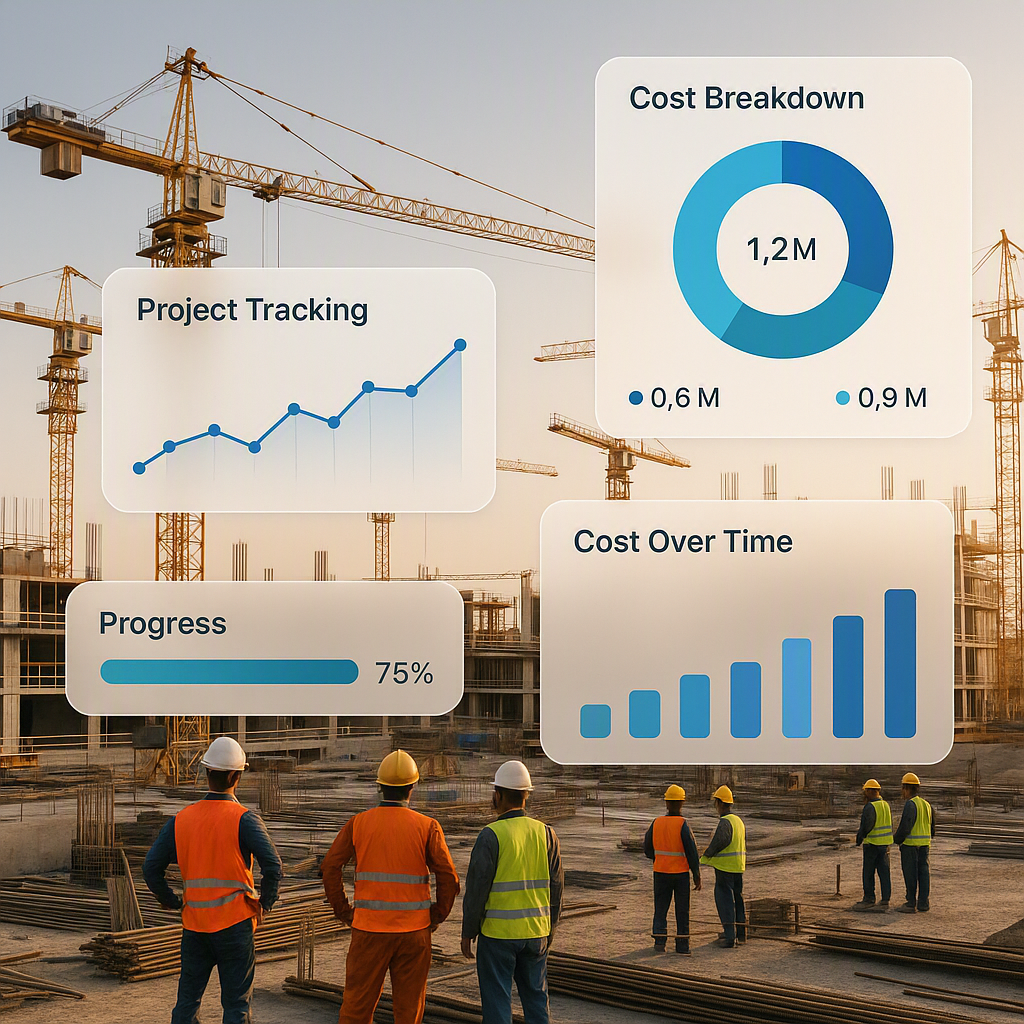
- Real-time budget tracking: Dashboards highlight cost overruns immediately, giving project managers time to act before it’s too late.
For instance, a contractor in Pune using a multi-tenant ERP reduced payment disputes by 60% after implementing automated progress-based approvals.
2. Streamlined Procurement Workflows
Material procurement is another area where multi-tenant ERP shines. Traditional workflows involve manual RFQs, email threads, and disjointed spreadsheets. A multi-tenant ERP replaces this chaos with:
- Automated RFQs: Material requests flow seamlessly into RFQs, which can be sent to multiple vendors.
- Integrated tracking: Vendor offers, purchase orders, and delivery receipts are all tracked within the system.
- Approval chains: Purchase requests must go through designated approvers, ensuring budget compliance at all stages.
3. Real-Time Visibility Across Projects
Legacy systems often operate in silos, making it difficult to get a unified view of your operations. Multi-tenant ERP offers:
- Dashboards: Track cost vs. budget across BOQs (Bill of Quantities), scopes, and estimates.
- Alerts: Receive notifications when costs approach approved limits.
- Scalability: Manage dozens of projects simultaneously without adding complexity.
Real-Life Impact: ₹12 Lakh Saved on Procurement Delays
To illustrate the potential savings, let’s look at a real-world example:
A mid-size contractor in Chennai was losing ₹12 lakh annually due to delayed purchase orders. Their existing ERP system wasn’t designed for real-time procurement tracking. As a result, material deliveries were frequently late, stalling site progress and increasing labor costs.
After switching to a multi-tenant ERP like JobNext, the contractor implemented approval workflows tied to project budgets. RFQs were automatically sent to vendors, and procurement delays dropped by 80%. The result? ₹12 lakh saved in wasted costs — enough to fund a small project on its own.
What Makes Multi-Tenant ERP Different?
Not all ERP systems are created equal. Traditional systems like FOUNDATION ERP were designed for generic industries, not the unique complexities of construction. Here’s how multi-tenant ERP stands out:
| Feature | Traditional ERP | Multi-Tenant ERP |
|---|---|---|
| Project Profitability Tracking | Limited, generic | Dedicated BOQ-level tracking |
| Data Isolation | Shared databases | Isolated per tenant |
| Procurement Workflows | Manual and disjointed | Automated and unified |
| Scalability | Expensive customizations | Built-in multi-project scalability |
| Compliance Automation | Limited support | GST/TDS auto-computation, Tally integration |
Actionable Steps: How to Transition to Multi-Tenant ERP
If you’re ready to stop bleeding margins, here’s how to make the switch:
1. Audit Your Current Systems
Start by identifying inefficiencies in your current workflows. Common red flags include:
- Manual invoice approvals
- Delayed procurement processes
- Lack of real-time budget tracking
2. Choose the Right ERP
Not all multi-tenant ERPs are equal. Look for features like:
- BOQ-level cost monitoring
- Integrated procurement workflows
- Compliance automation (GST, TDS, etc.)
3. Set Up Approval Workflows
Work with your ERP vendor to configure workflows for:
- Subcontractor payments tied to progress measurements
- Purchase requests linked to project budgets
4. Train Your Team
Adoption is key to success. Provide hands-on training to ensure your team uses the system effectively.
FAQ: Common Questions About Multi-Tenant ERP
Q: Is data security a concern with multi-tenant systems?
A: Not at all. Each tenant’s data is completely isolated, with dedicated URLs for access. Advanced encryption ensures your information remains secure while still benefiting from shared platform updates.
Q: How does it help with subcontractor payments?
A: Subcontractor payments are tied to progress measurements. Invoices cannot be processed unless the work is recorded and verified. This eliminates disputes and ensures budget compliance.
Q: Can it handle complex billing methods?
A: Yes. Multi-tenant ERP supports multiple billing methods, including:
- RA (Running Account) bills
- Stage-wise billing
- Supply BOQs
Workflows are automated so every completed work item flows seamlessly into finance.
Q: How long does implementation take?
A: Implementation timelines vary, but most mid-size contractors can go live in 4-6 weeks. This includes system setup, data migration, and team training.
Q: What’s the ROI of switching to multi-tenant ERP?
A: Contractors typically see ROI within 6-12 months. Cost savings from reduced overruns, procurement delays, and manual errors often exceed ₹25 lakh annually for mid-size firms.
Final Thoughts
Contractors who stick with legacy systems will continue to bleed margins. Rising material costs and labor inefficiencies are only part of the problem. The real issue lies in disconnected systems that fail to enforce budget discipline.
Multi-tenant construction ERP is the future. It doesn’t just digitize workflows — it transforms them. From real-time visibility to compliance automation, the benefits are clear. If you’re tired of manual chaos and unpredictable costs, it’s time to switch.
Learn more at JobNext.ai