Why Recurring Purchases Are a Nightmare
If you're a mid-size contractor, you've probably dealt with the chaos of recurring material purchases. Cement, steel, plumbing fixtures — the same items ordered again and again. And yet, every time, it's the same story: multiple RFQs, inconsistent vendor pricing, approvals dragging on, and urgent site requests turning into emergency buys.
Not ideal.
Recurring purchases should be smooth, predictable, and fast. Instead, they’re often a black hole for your procurement team and a drain on margins. The solution? Rate contracts.
What Is a Rate Contract?
A rate contract is a pre-negotiated agreement with a vendor that fixes the price, quantity, and delivery terms for a specific period. Think of it as a set-it-and-forget-it approach to procurement. Instead of issuing RFQs every week, you lock in the rates for six months or a year upfront.
Why does this matter? Because in construction, time really is money. Every hour spent haggling with vendors is an hour not spent on project execution. Rate contracts free up your procurement team to focus on more strategic tasks.
The Benefits of Rate Contracts
Here’s what rate contracts bring to the table:
1. Consistent Pricing
Material prices can fluctuate wildly, especially in markets like GCC and India. A rate contract protects you from sudden price hikes. For example, when steel prices surged 38.7% between 2020 and 2022 (Construction Supply Chain Resilience), contractors with rate contracts avoided the worst of the impact.
2. Simplified Approvals
We’ve seen companies reduce approval times by 60% simply by using rate contracts. Why? Because the terms are already agreed upon. No back-and-forth with vendors. No frantic calls to site managers. Just streamlined purchase orders.
3. Better Vendor Relationships
Vendors love predictability too. With rate contracts, you’re committing to regular purchases, which strengthens supplier relationships. This often leads to better payment terms, faster deliveries, and priority treatment during shortages.
4. Fewer Emergency Buys
Nothing kills margins like last-minute purchases at inflated prices. Rate contracts minimize these emergencies by ensuring materials are always available at pre-agreed terms.
Real-World Example: How JobNext Handles Rate Contracts
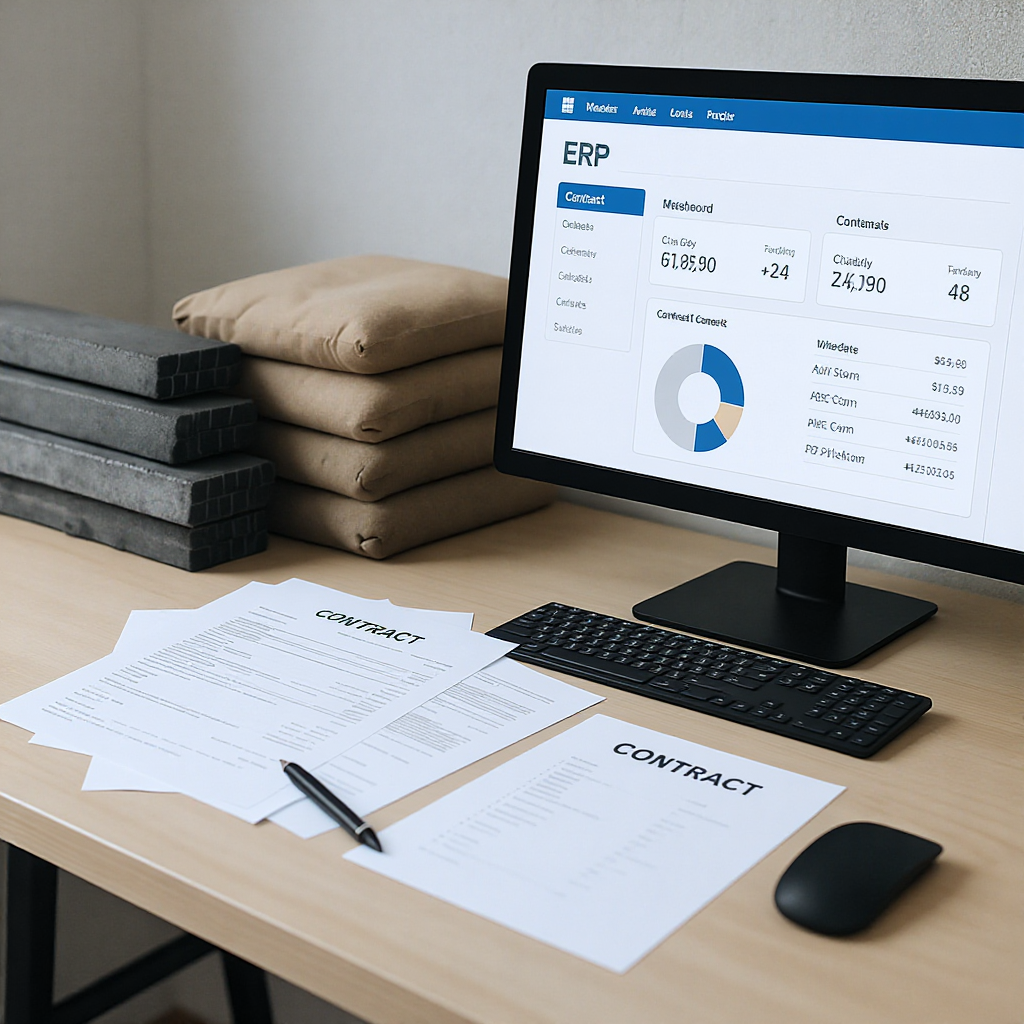
Managing rate contracts manually is a headache. You need a system that automates the heavy lifting — tracking expiration dates, flagging price changes, and integrating with your project budgets.
JobNext’s procurement module handles this seamlessly. Here’s how:
- Structured MR → RFQ → PO Workflow: With JobNext, you can create rate contracts directly from vendor RFQs. Once the terms are locked in, every material requisition (MR) automatically pulls the rate contract details. No manual data entry.
- Approval Chains: Multi-level approvals ensure site managers, procurement heads, and finance teams are all on the same page. No unnecessary delays.
- Real-Time Alerts: JobNext flags expiring rate contracts and recommends renewal options, so you’re never caught off guard.
The result? Faster purchases, fewer errors, and tighter cost control.
Common Objections to Rate Contracts
You might be thinking, “What about material quality? Won’t vendors cut corners if we lock them into fixed prices?”
Fair question. The answer lies in vendor selection. Rate contracts only work if you’ve vetted suppliers thoroughly. JobNext’s vendor management system helps with this by tracking performance metrics like delivery timelines, quality issues, and dispute resolution history.
Another objection: “What if prices drop?” True, you might miss out on discounts during a temporary price dip. But in volatile markets, stable pricing often outweighs short-term savings. Plus, if your ERP tracks price trends (JobNext does), you can renegotiate terms mid-contract.
Conclusion: Make Rate Contracts Work for You
Rate contracts aren’t just a procurement hack — they’re a strategic tool for mid-size contractors. They save time, reduce costs, and bring predictability to your operations. If you’re still managing recurring purchases manually, it’s time to rethink your approach.
Want to see how JobNext makes this process easier? Check out The Hidden Cost of Tool Fragmentation to learn why unified platforms like JobNext are essential for modern contractors.
Ready to see JobNext in action?
Multi-tenant SaaS ERP for construction, facilities management, and contracting — covering preconstruction, project execution, procurement, HR & payroll, equipment, finance, and 150+ analytics reports.
Get Started Free →Learn more at JobNext.ai