Why Contractors Bleed Profits
Margins in construction hover between 5-10% on average. That’s tight—really tight. And yet, contractors consistently lose 12-18% of their material budgets to procurement inefficiencies. Think late purchase orders, manual RFQs, and bloated inventory waste. It’s a silent killer.
Want a real example? A mid-sized MEP contractor we worked with in UAE ran into this problem. They were managing procurement through spreadsheets and WhatsApp messages. Sounds familiar? Their team forgot to create purchase orders on time, leading to last-minute buys at inflated prices. Overcharging from vendors became routine. By the end of the fiscal year, they had lost over AED 720,000 in material waste.
AI-Powered Cost Tracking: The Fix
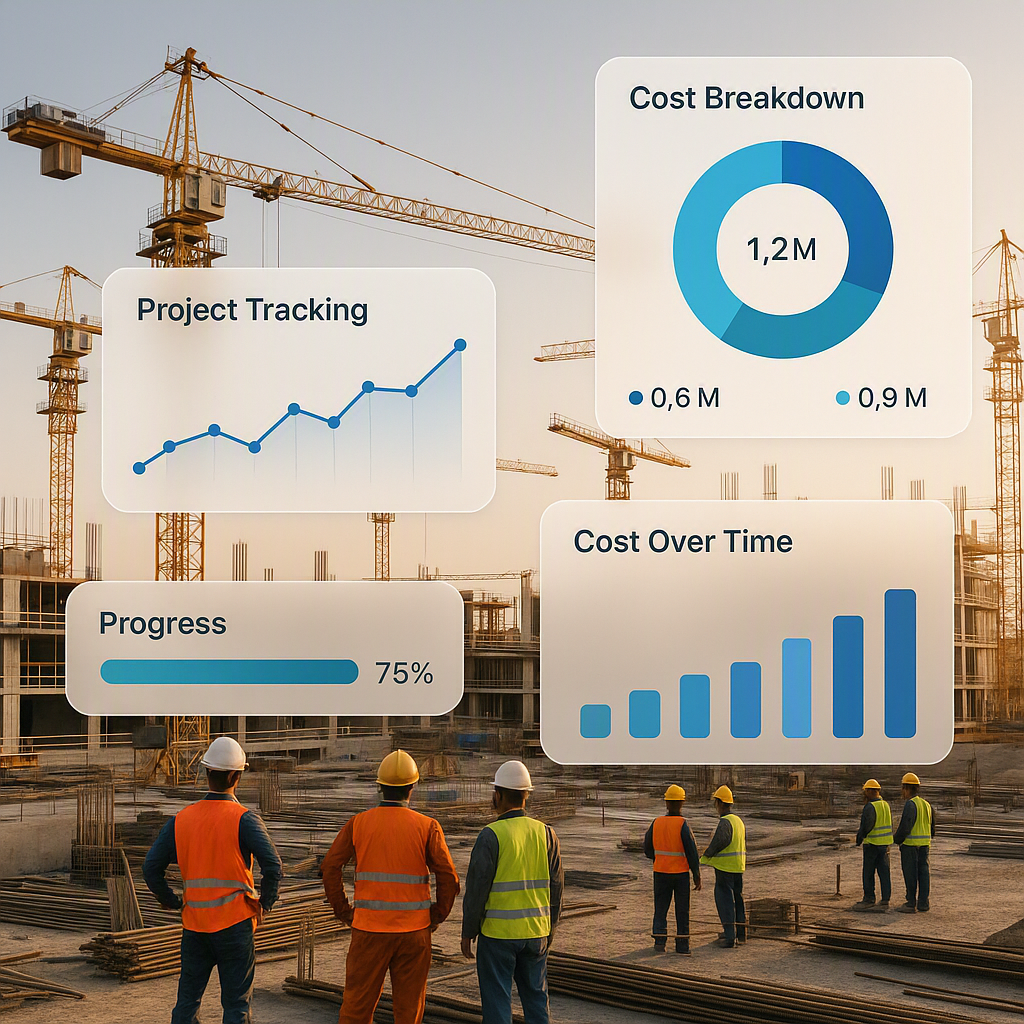
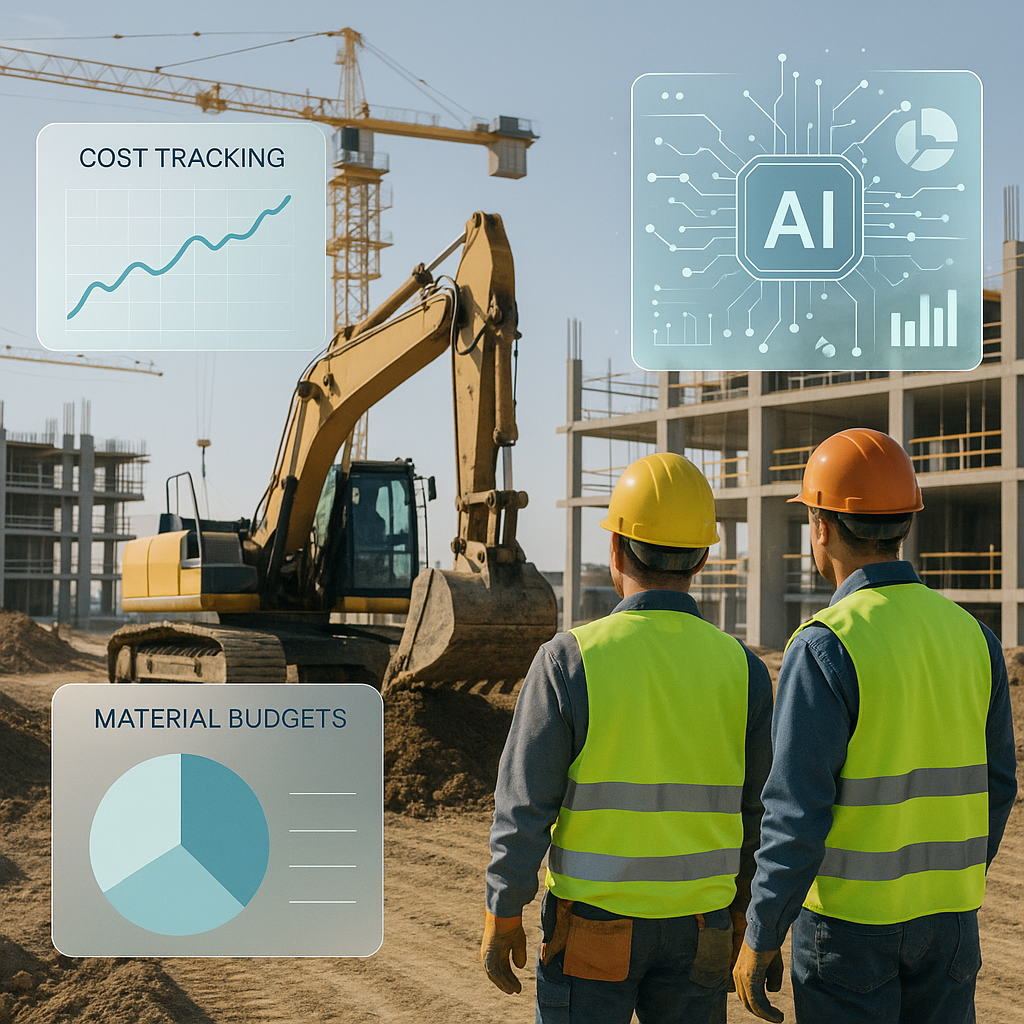
Real-time cost tracking is where AI shines. Instead of relying on manual updates, AI tools integrate directly with your project BOQs, scopes, and POs to give you live profitability metrics. For example, JobNext’s cloud ERP uses AI to track material costs against budgets as purchase orders are issued. It flags overspending immediately—before it snowballs.
How It Works
- Structured Procurement Workflows: AI simplifies the entire workflow: Material Request → RFQ → Vendor Offers → PO approvals. No more rogue spending—everything follows an approval chain.
- Vendor Rate Intelligence: AI learns historical vendor pricing to suggest the best rates for materials, avoiding price gouging.
- Dynamic Budget Alerts: If you’re exceeding the budget for a specific BOQ item, the system alerts you instantly.
Compare this to spreadsheets, where you often spot overruns weeks after they’ve already eaten into your margins.
Practical Example: A Real Win
That same MEP contractor switched to an AI-driven procurement tool (JobNext). Within three months, they cut material waste by 15%. How? Vendor rates were standardized, POs were issued on time, and budgets were tracked live. They recovered AED 108,000 just from better rate management on ducting supplies.
If you’re thinking, “But my projects are unique; can AI really adapt?”—yes. Most modern construction ERP platforms, like JobNext, let you customize workflows and alerts to fit your BOQ structure.
The Obvious Objection
You might be wondering: “Won’t AI tools be expensive to set up?” It’s a fair concern. But here’s the counterargument—what’s more expensive: the upfront cost of implementing an AI-driven ERP or losing 12-18% of your material budget each year? For most contractors, the ROI is clear within 6-12 months.
Other Use Cases for AI in Construction Profitability
- Billing Accuracy: Missing RA bills or delayed stage-wise invoices can kill cash flow. AI tools automate billing workflows, ensuring nothing falls through.
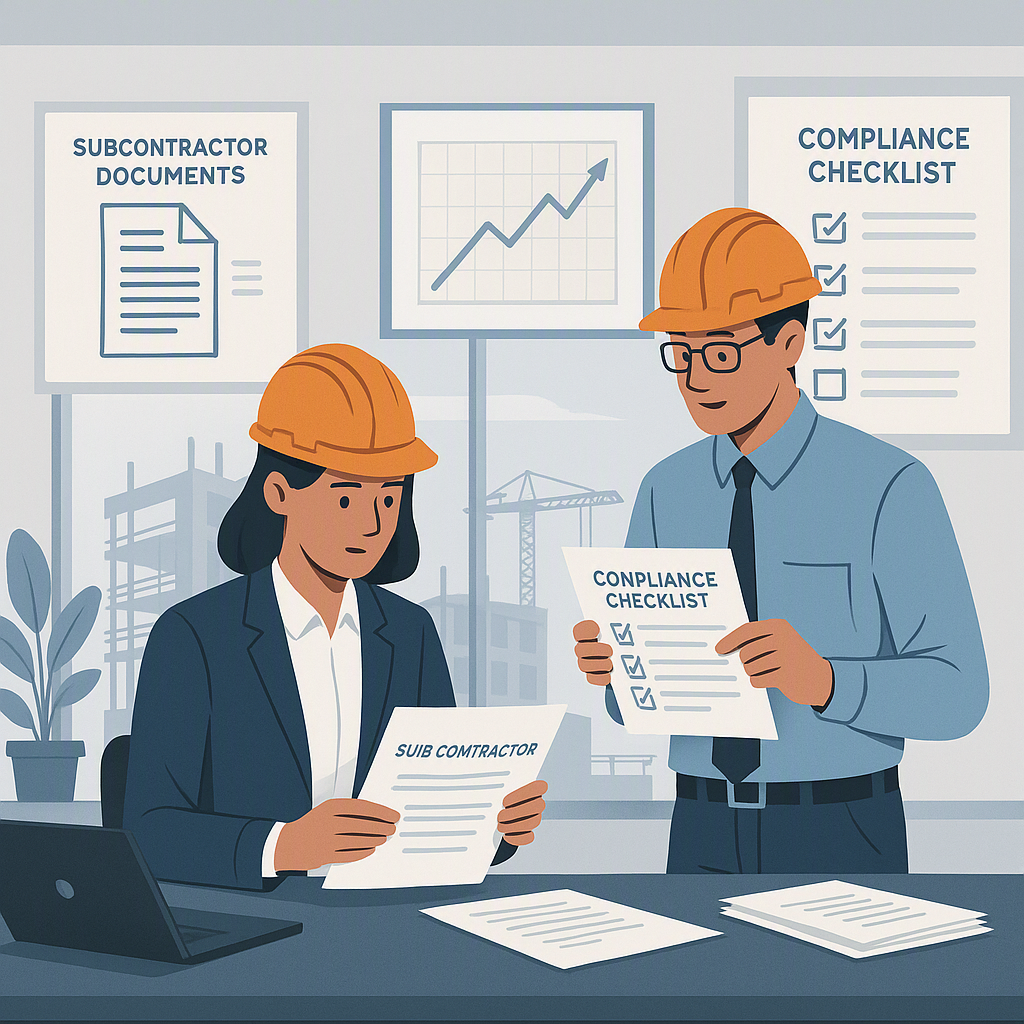
- Subcontractor Management: Payment overruns happen when subcontractor progress isn’t tracked properly. AI fixes this by linking work measurement data to payment milestones.
- Equipment Utilization: Idle machinery erodes profitability. AI tools track usage and suggest redeployment or disposal when assets underperform.
Why Cloud ERP is Essential
If you’re still using disconnected tools for procurement, billing, and HR, you’re flying blind. Cloud ERP platforms like JobNext unify these processes. This article explains how real-time cost tracking alone can eliminate margin erosion. It’s worth a read.
Final Thoughts
Improving project profitability comes down to plugging leaks. AI tools aren’t a magic bullet, but they’re incredibly effective when paired with structured workflows. JobNext’s cloud ERP shows what’s possible. If you’re serious about reclaiming those lost margins, it’s time to ditch the spreadsheets.
Want to see how it works? Check out JobNext for a demo.
Ready to see JobNext in action?
Multi-tenant SaaS ERP for construction, facilities management, and contracting — covering preconstruction, project execution, procurement, HR & payroll, equipment, finance, and 150+ analytics reports.
Get Started Free →Learn more at JobNext.ai