Why Construction Margins Are Shrinking
Margins in construction are razor-thin—often hovering around 5%. But here’s the kicker: most contractors don’t realize they’re bleeding 12-18% of their material budgets to inefficiencies. Late purchase orders. Materials sitting unused on-site. Missed opportunities for bulk discounts. It all adds up.
Now, you might be thinking, “We already track costs in spreadsheets.” But here’s the problem: spreadsheets only tell you the damage after it’s done. By the time you spot cost overruns, you’re already in the red. That’s where AI-powered tools come in.
The Game-Changer: Real-Time Cost Tracking
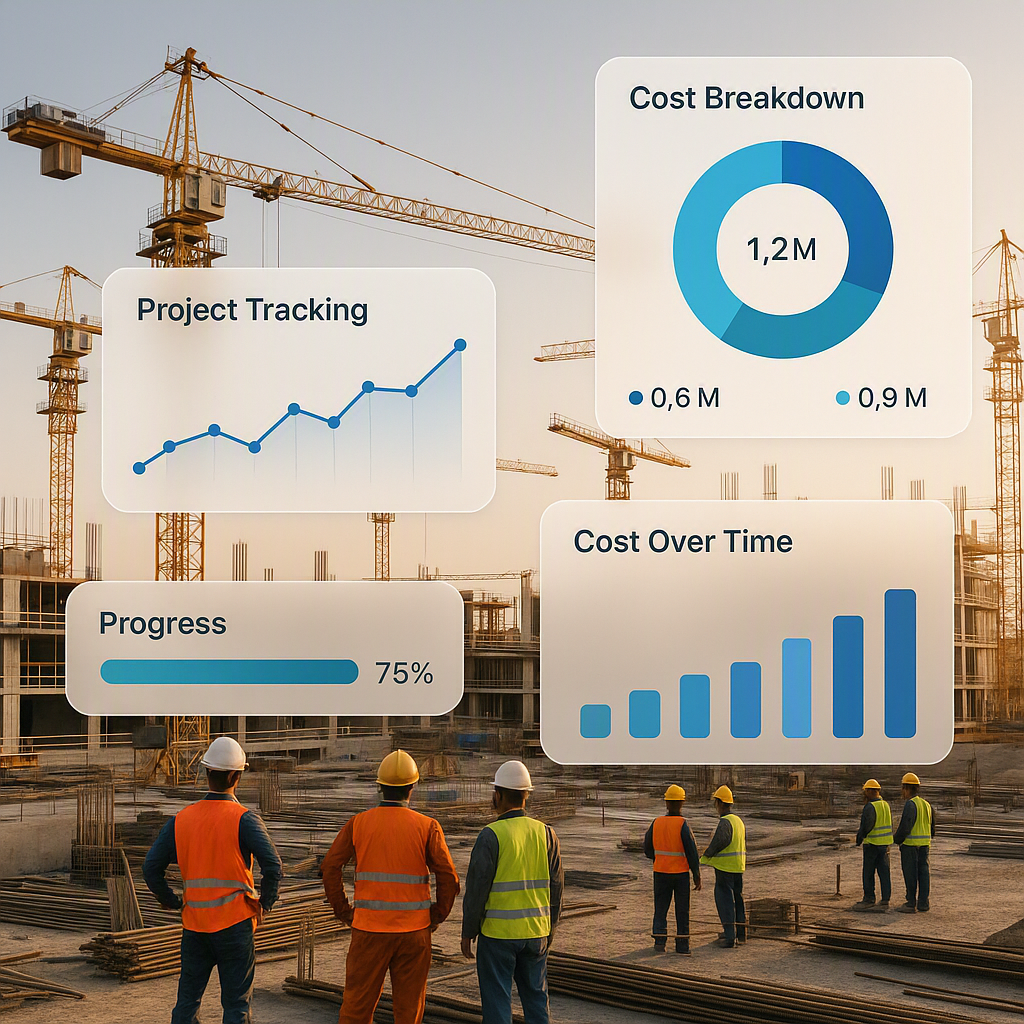
AI tools, like JobNext’s real-time cost tracking, give you visibility into your project finances as they unfold. Imagine having a dashboard that shows you:
- How much of your BOQ budget is already committed.
- Which materials are in danger of being over-ordered.
- Which vendors are consistently late (and costing you money).
For example, let’s say you’re managing a $2M interior design project. With AI tracking, you’d know by mid-project that you’re overshooting the gypsum board budget by 10%. That’s an early warning you can act on—by renegotiating with suppliers or adjusting the scope.
Contrast this with traditional workflows, where you’d only notice the overspend when you reconcile accounts months later. Too late to fix.
Real-World Example: How One Contractor Saved ₹30 Lakh
A mid-size EPC contractor in Pune was running into margin issues. Their procurement team relied on WhatsApp and Excel to manage material requests. The result? Frequent over-ordering and missed discounts.
After switching to an AI-powered ERP like JobNext, they automated their MR → RFQ → PO workflow. The AI flagged duplicate requests and suggested optimal vendors based on historical pricing. Within six months, they saved ₹30 lakh across 8 projects.
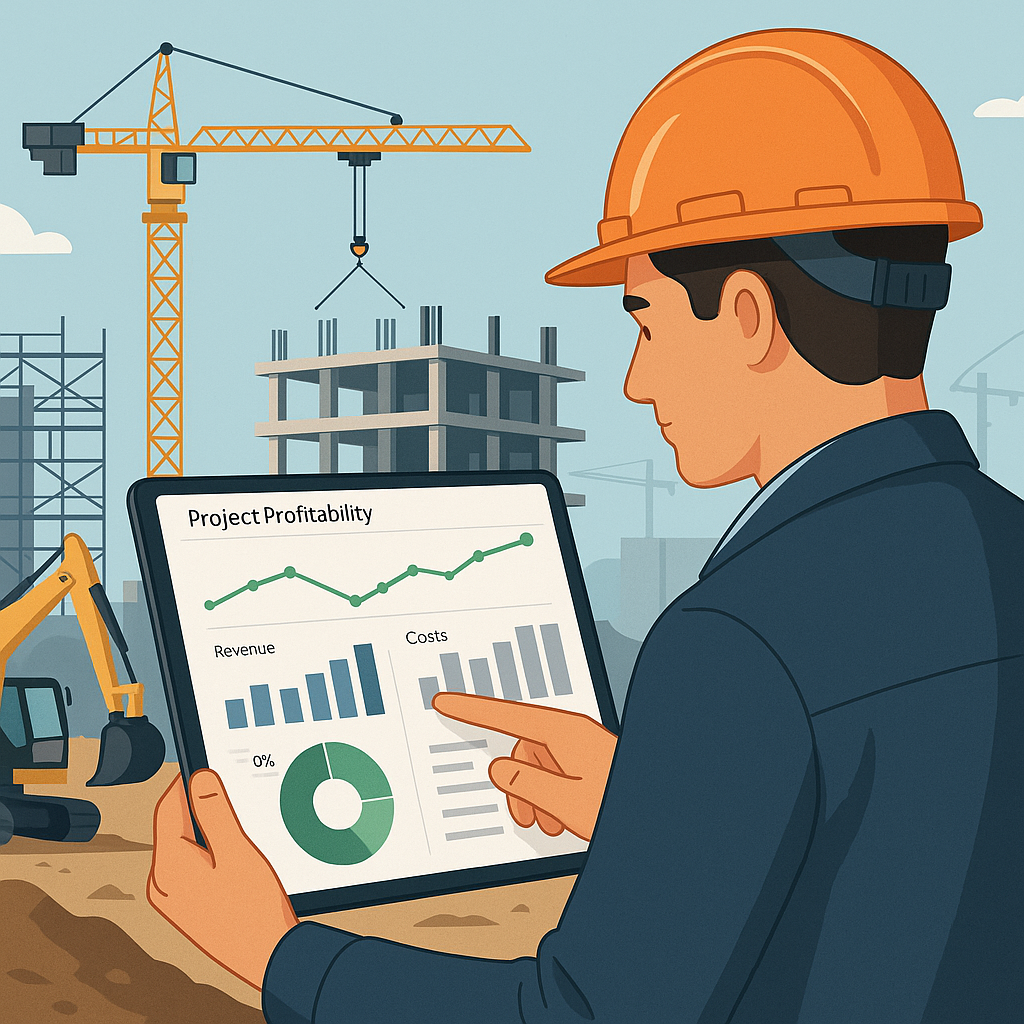
More importantly, their margins jumped from 7% to 10%. That’s a 42% increase in profitability.
How AI Makes This Possible
Here’s why AI tools are so effective:
-
Pattern Recognition: AI spots trends humans miss. For instance, it might flag that Vendor A’s cement prices spike every Q4—and suggest locking in rates earlier.
-
Forecasting: AI predicts future costs based on historical data and market trends. If steel prices are expected to rise by 8% next quarter, you can plan bulk purchases now.
-
Error Reduction: AI reduces manual errors like duplicate POs or incorrect GST calculations. These small mistakes can snowball into massive profit leaks.
-
Integration: Tools like JobNext integrate your procurement, finance, and project management workflows. Real-time data flows mean fewer silos and better decision-making.
Don’t Just Take My Word for It
If you’re wondering whether cloud-based AI tools are worth it, check out Why Contractors Lose Margins (And How Cloud ERP Fixes It). This post breaks down how real-time cost tracking can save contractors up to 18% on material budgets.
It’s packed with examples of how contractors are using tools like JobNext to eliminate inefficiencies and protect their margins.
Final Thoughts
AI tools aren’t just for tech companies—they’re a necessity for modern construction. With margins under constant pressure, you can’t afford to rely on outdated processes. Real-time cost tracking isn’t a luxury; it’s the difference between profit and loss.
So, where do you start? Evaluate your current procurement workflow. Identify the biggest inefficiencies. And if you’re ready to plug the leaks, explore tools like JobNext to see how AI can transform your bottom line.
Ready to see JobNext in action?
Multi-tenant SaaS ERP for construction, facilities management, and contracting — covering preconstruction, project execution, procurement, HR & payroll, equipment, finance, and 150+ analytics reports.
Get Started Free →Learn more at JobNext.ai