Why Project Profitability Needs AI Right Now
Margins in construction are brutal. We’re talking 5-10% on a good day. And that’s before you factor in inefficiencies: late purchase orders, poor vendor terms, or plain old human error. According to a Deloitte report, 35% of construction firms struggle to improve profitability because their cost tracking is outdated. Think about that—more than a third of contractors are flying blind when it comes to real-time costs.
So, where does AI come in? AI isn’t a magic wand, but it’s an extremely effective scalpel. It cuts through inefficiencies, automates repetitive tasks, and surfaces insights you’d otherwise miss. Let’s dive into five specific ways AI tools are improving project profitability, with real-world examples you can actually use.
1. Real-Time Cost Tracking: See Where the Money’s Going
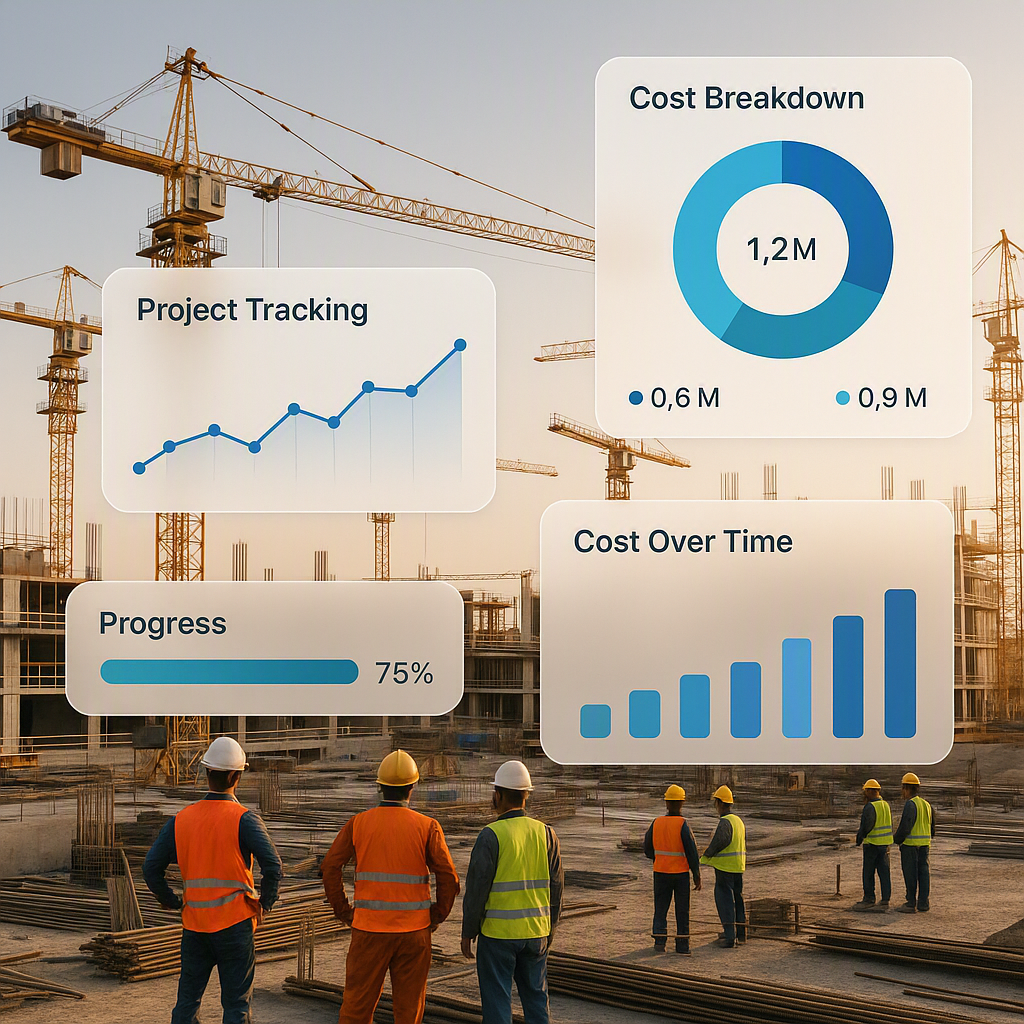
Most contractors track costs in spreadsheets or disconnected systems. The result? By the time you realize you’re over budget, it’s too late. AI-powered tools like JobNext's cost tracking feature fix this by monitoring project spend in real time. For example, JobNext automatically maps material requisitions to your BOQ (bill of quantities), flagging overspending before it becomes a problem.
Here’s a real-world stat: One of our clients—an MEP contractor in Mumbai—reduced cost overruns by 15% in just four months by switching to an AI-enabled procurement workflow. That’s not theoretical fluff; it’s real savings you can replicate.
If you’re still manually reconciling POs and invoices, you’re leaving money on the table. Want more details on how real-time tracking changes the game? Check out Why Contractors Need Cloud ERP to Stop Margin Erosion.
2. Smarter Vendor Selection: AI Knows Who’s Overcharging You
Why do so many contractors stick to the same vendors? Convenience, sure. But it’s also because vetting vendors is a pain. AI tools simplify this by analyzing past performance, pricing trends, and delivery timelines to suggest the best vendor for each job. For example, JobNext’s RFQ (request for quotation) module uses AI to rank vendor bids based on cost, reliability, and delivery speed. Say goodbye to overpaying for subpar materials.
One GCC-based contractor saved $120,000 in a single project by switching to AI-optimized vendor selection. The system flagged a vendor who consistently overcharged for high-demand items like rebar and suggested a cheaper alternative with a proven track record.
3. Automated Billing: Never Miss an RA Bill Again
Missed or delayed bills are silent profit killers. AI-powered billing systems ensure every penny is accounted for. JobNext supports six billing methods—including RA bills and stage-wise invoices—and automates reminders for due dates. You can even tie measurements directly to billing milestones, so you’re not stuck chasing subcontractors for data.
For instance, a civil contractor in Bangalore used JobNext to automate their RA bill workflow. The result? A 25% improvement in cash flow because they stopped leaving money on the table. Curious how this works in practice? Read 5 Ways Cloud ERP Solves Revenue Leakage for Construction Contractors.
4. Predictive Analytics: Spot Problems Before They Happen
How often do you catch issues after they’ve spiraled out of control? AI tools use predictive analytics to spot red flags early. For example, if a subcontractor consistently delays milestones, the system can alert you before it derails your timeline. JobNext’s dashboards include predictive insights across procurement, labor, and equipment utilization—helping you course-correct in real time.
A landscaping contractor in Dubai used predictive analytics to improve labor allocation. By identifying idle time trends, they reallocated crews more effectively, cutting labor costs by 10% across five ongoing projects.
5. Compliance and Audits: Avoid Costly Penalties
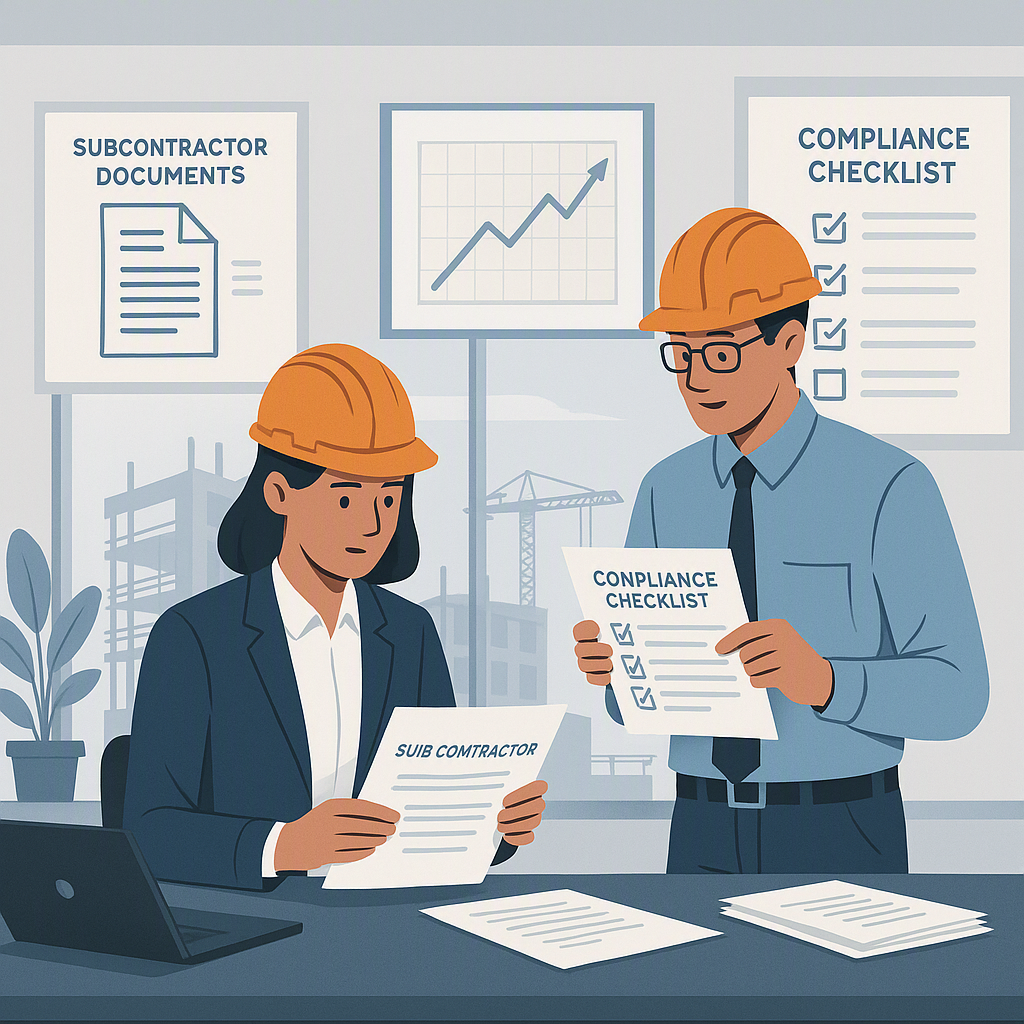
No one enjoys audits, but they’re unavoidable. What’s worse? Non-compliance penalties that eat into your already-thin margins. AI tools simplify compliance by automating GST and TDS calculations, generating audit trails, and integrating with accounting software like Tally. JobNext, for instance, offers built-in compliance tracking for Indian and GCC regulations, so you’re always prepared.
One interior design firm in Hyderabad reduced their audit prep time by 70% after adopting JobNext’s compliance features. Instead of scrambling to reconcile GST returns, they had everything ready in a few clicks.
The Bottom Line: AI Is a Profitability Multiplier
AI isn’t just for tech companies. It’s a practical, powerful tool for contractors who want to stay competitive. From cost tracking to compliance, tools like JobNext are already proving their value across India and the GCC. And the best part? You don’t need a massive IT department to implement them—just a willingness to ditch outdated systems.
If you’re serious about improving profitability, start with the basics: track every rupee, automate where you can, and use data to make decisions. For a deeper dive into how cloud ERP systems like JobNext can help, visit Why Contractors Lose Margins (And How Cloud ERP Fixes It).
Want to see how much you could save with AI-powered tools? Visit JobNext.ai to learn more.
Ready to see JobNext in action?
Multi-tenant SaaS ERP for construction, facilities management, and contracting — covering preconstruction, project execution, procurement, HR & payroll, equipment, finance, and 150+ analytics reports.
Get Started Free →Learn more at JobNext.ai