The $300,000 Lesson in Inventory Tracking
Picture this: A mid-size contractor in Bengaluru lands a 12-month HVAC project. Two months in, their site grinds to a halt because ducting material didn’t arrive on time. Why? The procurement team assumed there was enough stock, but the warehouse had no visibility into site-specific demand. A $300,000 delay followed.
Sound familiar? It happens all the time. Missed deliveries, over-ordering, or plain miscommunication between teams. And in construction, where every day of delay costs real money, poor inventory tracking isn’t just inconvenient — it’s a margin killer.
The Root Problem: Disconnected Systems
Let’s break it down. Most contractors still juggle spreadsheets, WhatsApp requests, and siloed software. The site team raises a material request (MR) late, the procurement team takes their time raising an RFQ, and by the time the purchase order (PO) is issued, the supplier’s delivery schedule doesn’t align with the project plan. Meanwhile, the warehouse has no clue what’s coming in or going out.
This fragmentation creates bottlenecks. According to a 2022 McKinsey report, 60% of construction delays globally are linked to supply chain issues. If you can’t track your inventory in real time, you’re flying blind.
What Does Good Inventory Tracking Look Like?
Effective inventory tracking isn’t about just counting what’s in the warehouse. It’s about:
- Real-Time Visibility: Knowing what’s available across all sites and warehouses.
- Demand Forecasting: Predicting what you’ll need and when, based on project schedules and BOQs.
- Automated Workflows: Streamlining MRs, RFQs, and POs to cut delays.
- Integration with Project Plans: Aligning material availability with project milestones.
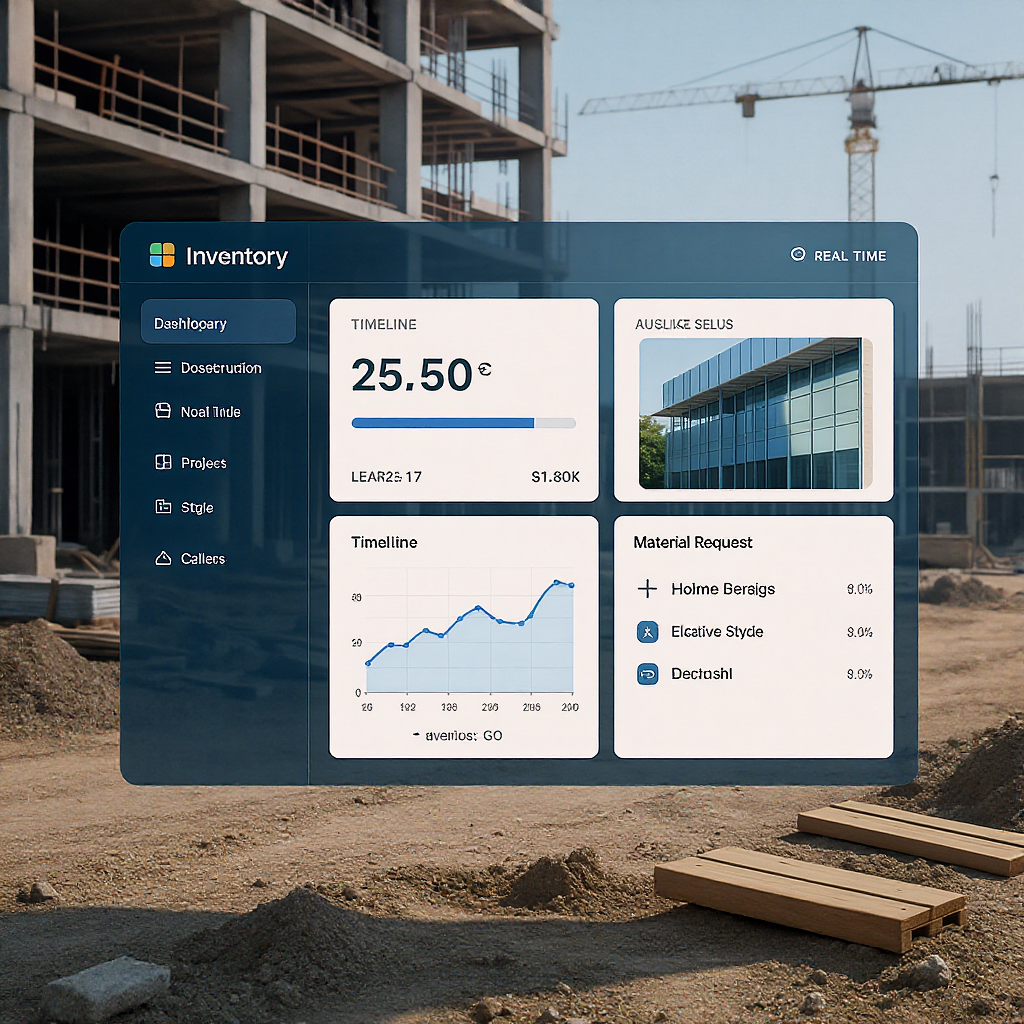
JobNext's material procurement workflow nails this. It connects MR → RFQ → Vendor Offers → PO in a single system, with approval chains baked in. No missed steps, no guesswork. And because it’s tied to your BOQ and project plan, you’ll know if a delay in material delivery will affect the critical path.
Case Study: Stopping Delays Before They Start
Take Al Nab’a Services, a facilities management giant in Oman. Before digitizing their operations, they faced constant material stockouts. Their teams relied on manual processes, and suppliers often delivered late. After implementing a unified ERP, including structured inventory tracking, they cut procurement cycle times by 40% and eliminated stockouts for 95% of their projects. Read their full story here.
The Cost of Doing Nothing
You might be thinking, "We’ve managed with spreadsheets so far. Why fix what’s not broken?" But that thinking assumes delays won’t happen. The reality? Every stockout or over-order eats into your margins and reputation. A single delayed project can cost you the next big contract.
And it’s not just about materials. Equipment downtime due to missing parts, or crews sitting idle because supplies didn’t arrive, can snowball into bigger problems. According to Construction Dive, 63% of contractors reported sourcing issues as a major cause of project overruns in 2023.
How to Get Started
Fixing inventory tracking doesn’t mean spending months on ERP implementation. Start small. Map your current procurement process. Identify where things break down — is it communication? Approval delays? Supplier reliability? Then find a solution that integrates these workflows into one system.
JobNext, for example, doesn’t just track inventory. It ties inventory to project profitability, showing exactly how delays or cost overruns impact your bottom line. Check out our no-nonsense ERP roadmap for mid-size contractors to avoid common pitfalls.
Final Thoughts
Inventory tracking isn’t just a back-office function. It’s the backbone of project execution. With real-time visibility and streamlined workflows, contractors can avoid costly delays, improve cash flow, and actually meet project timelines. The next time a supplier tells you they’re out of stock, ask yourself: Could this have been prevented? Chances are, the answer is yes.
Learn more at JobNext.ai