Why Construction Supply Chains Are Broken
Let’s not sugarcoat it: construction supply chains are chaotic. Materials arrive late, vendors overcharge, and site teams scramble to keep projects moving. According to McKinsey, up to 80% of a project’s cost is tied to procurement and supply chain activities. Yet, contractors still rely on manual processes, spreadsheets, and endless WhatsApp back-and-forth.
What does that lead to? Cost overruns, delays, and eroding margins. A 2020 report by Dodge Data & Analytics found that poor procurement practices alone can increase project costs by 15% (Dodge Data). Imagine what that does to a contractor working on 4-5 concurrent projects.
The Root Problem: Manual Procurement Chaos
Here’s what usually happens: A site team needs materials and raises a Material Request (MR). That MR gets emailed — or worse, WhatsApped — to the procurement team. Someone manually compiles vendor quotes in Excel, negotiates prices over endless calls, and finally issues a Purchase Order (PO). Then comes the waiting game: chasing vendors for delivery updates and reconciling invoices.
Sound familiar? It’s inefficient and error-prone. Worse, there’s no visibility. How much material has been ordered? Which POs are pending? Are vendors sticking to agreed prices? No one really knows.
And when you multiply this across multiple projects, the losses add up fast.
The Fix: Structured Procurement Workflows
This is where a platform like JobNext can make a difference. One of its standout features is the structured MR → RFQ → Vendor Offers → PO workflow. Here’s how it works:
- Material Request (MR): Site teams raise MRs directly in the system, specifying quantities and delivery timelines.
- Request for Quotation (RFQ): Procurement can instantly send RFQs to pre-approved vendors, cutting down on manual follow-up.
- Vendor Offers: All vendor quotes are logged in the platform, making it easy to compare prices and terms side-by-side.
- Purchase Order (PO): Once a vendor is selected, POs are generated with a single click. Approvals? Built-in.
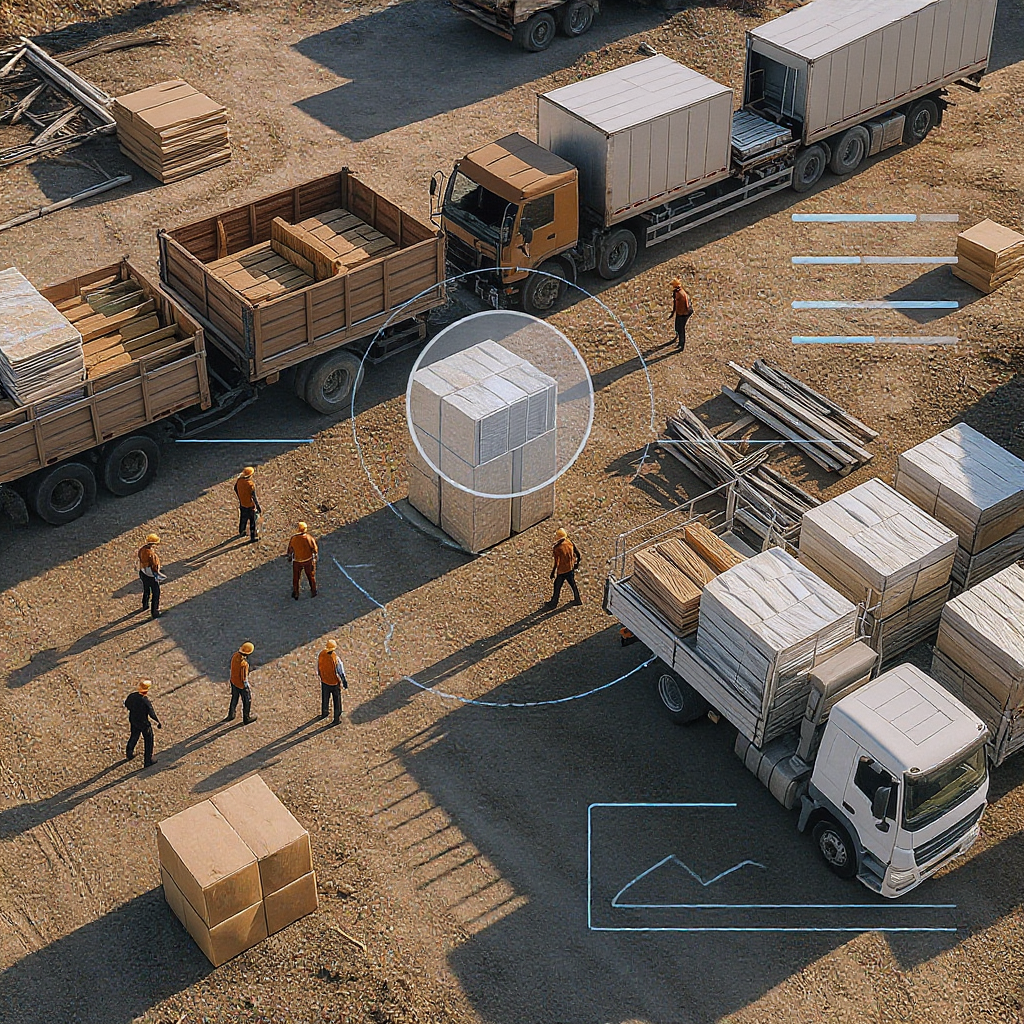
- Delivery Tracking: The system tracks deliveries against POs, flagging delays or discrepancies automatically.
The result? Faster procurement cycles, fewer errors, and full visibility from MR to delivery.
Real-World Results: Cutting Costs and Delays
Let’s look at an example. A mid-size general contractor in the GCC recently implemented JobNext’s procurement module across 12 active projects. Before this, they were losing an estimated 8-10% of material costs to vendor price variations and missed delivery schedules.
Within six months, they cut procurement cycle times by 40%, reduced material wastage by 5%, and negotiated better rates with vendors, saving an additional 7%. That’s a 12% improvement in material cost efficiency — on projects worth $20 million in total.
Why Visibility Matters
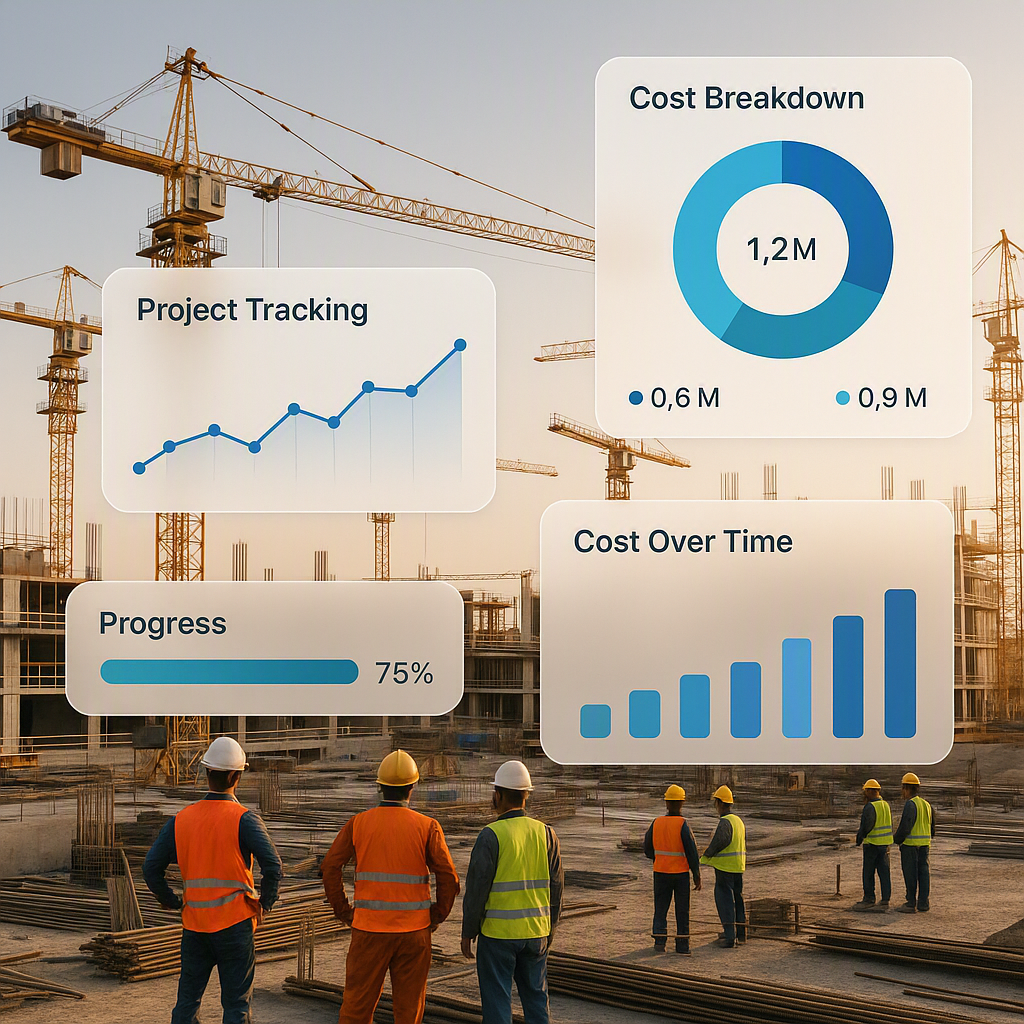
A unified procurement system doesn’t just save time — it provides data you can act on. For instance:
- Spend Analysis: Know exactly how much you’re spending on key materials across all projects. Spot cost-saving opportunities.
- Vendor Performance: Track which vendors consistently deliver on time and within budget. Reward the reliable ones, and avoid the rest.
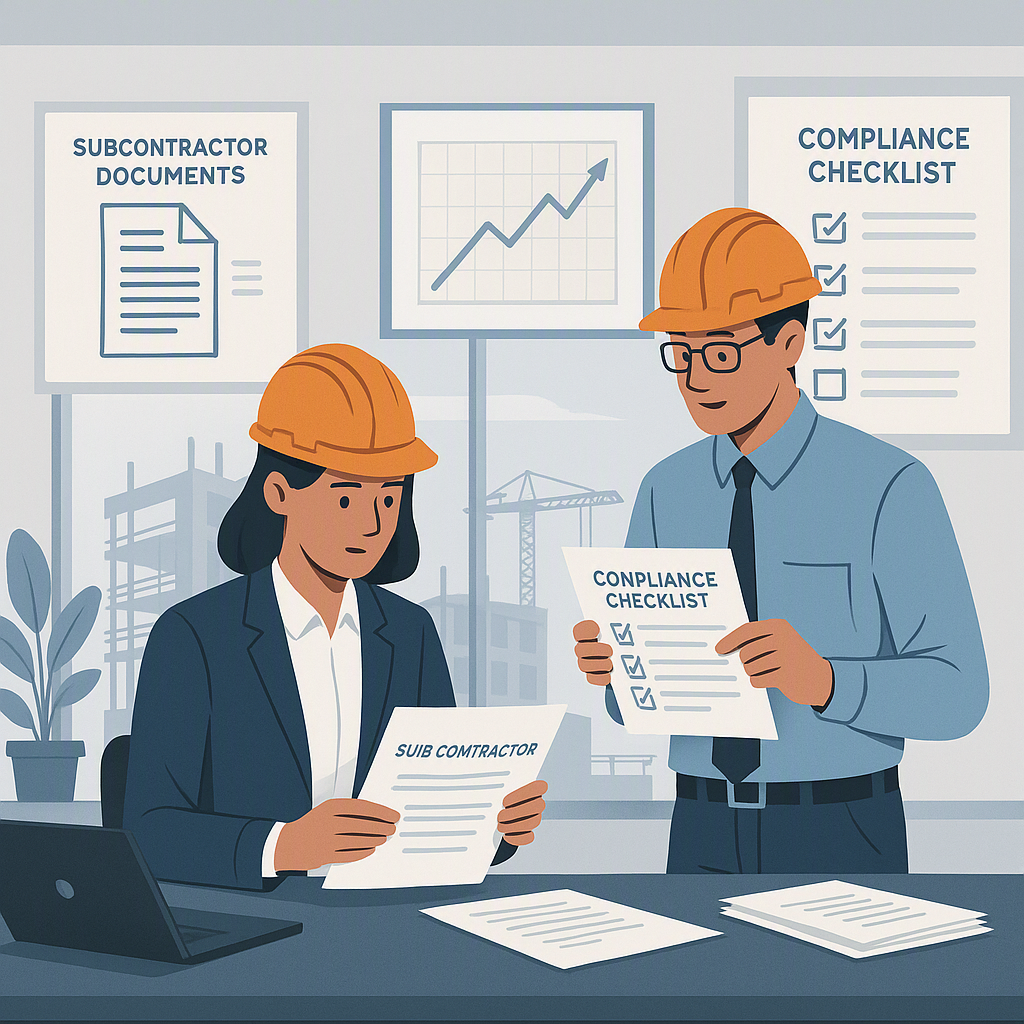
- Compliance: Automatically ensure POs, invoices, and payments align with statutory requirements like GST and TDS.
Without this visibility, you’re flying blind. And in a low-margin industry like construction, that’s a luxury no one can afford.
The Bigger Picture: Supply Chain Resilience
It’s not just about saving a few percentage points on costs. A well-managed supply chain is a competitive advantage — especially in volatile markets like India and the GCC. As highlighted in Construction Supply Chain Resilience: What the Last Five Years of Disruption Taught Us About Technology, firms with robust supply chain systems weathered disruptions like COVID-19 and rising material costs far better than their peers.
In other words, this isn’t just a nice-to-have. It’s survival.
Final Thoughts
If you’re still managing procurement manually, you’re leaving money on the table. Switching to a structured, software-driven workflow like JobNext’s isn’t just about streamlining processes — it’s about transforming how you run projects. The next time a site team complains about material delays, ask yourself: is the problem the vendor, or your process?
The answer might surprise you. And fixing it could save you 15% on your next project.
For more on how to modernize your operations, check out The Contractor's First ERP: What Nobody Tells You About Going Digital.
Ready to see JobNext in action?
Multi-tenant SaaS ERP for construction, facilities management, and contracting — covering preconstruction, project execution, procurement, HR & payroll, equipment, finance, and 150+ analytics reports.
Get Started Free →Learn more at JobNext.ai