Why Procurement Eats Your Margins
Let's get straight to it: most contractors bleed money in procurement. Late purchase orders, missed rate contracts, and vendor management done on Excel — sound familiar? These inefficiencies aren't just frustrating; they cost real money. According to our research at ConstructionSupply.ai, the average contractor loses 12-18% of their material budget to poor procurement practices.
Take a real-world example. A mid-size EPC contractor in Bangalore had a project budget overrun of 14% last year. The culprit? Unstructured material requisitions and delayed RFQs. By the time they placed orders, steel prices had gone up 8%. Multiply that across 20+ projects, and you're looking at millions of rupees lost.
How AI Fixes This
Here’s where AI-powered tools step in. Platforms like JobNext use structured workflows — Material Request (MR) → Request for Quotation (RFQ) → Vendor Offers → Purchase Order (PO) — to eliminate chaos. AI plays a key role in two areas:
-
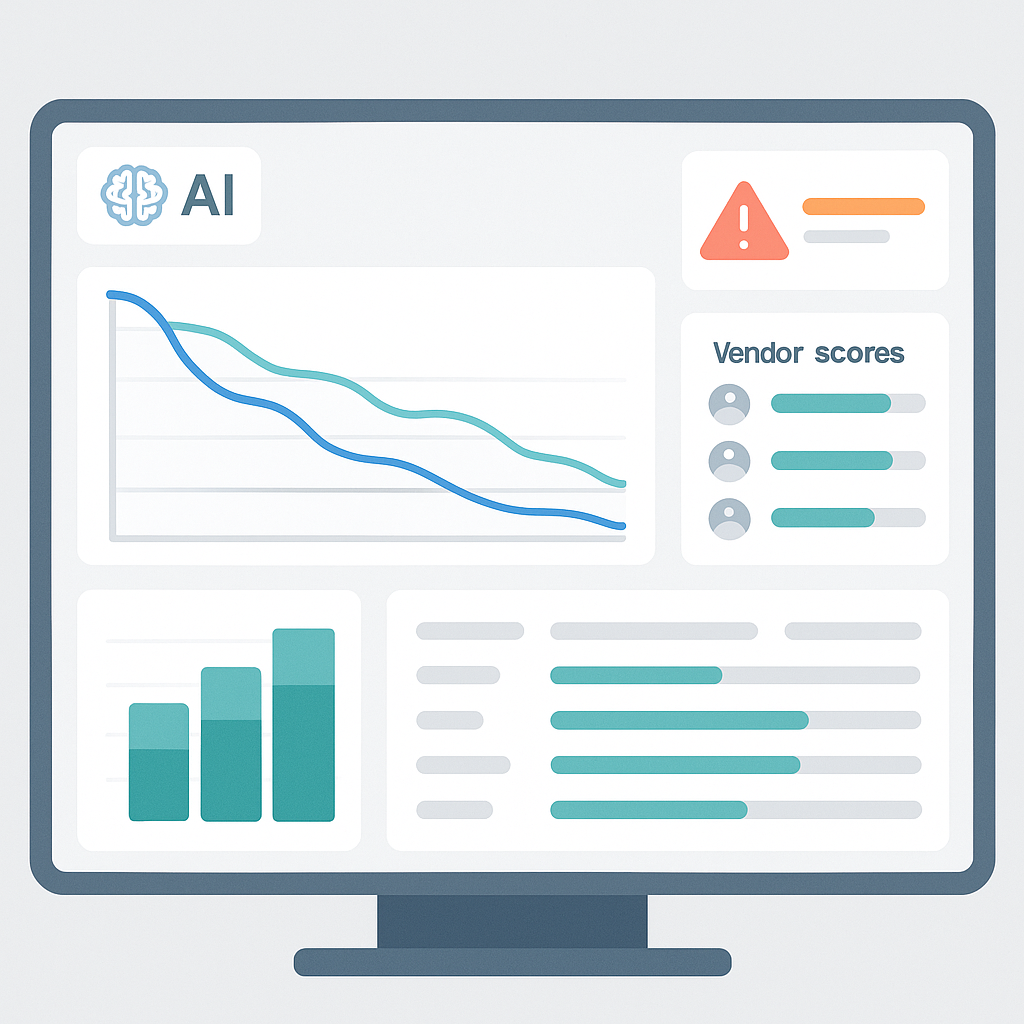
Real-Time Cost Tracking: AI algorithms monitor material costs against BOQs and flag deviations immediately. For example, if your steel RFQ prices are trending 5% above your budget, you’ll know before issuing the PO. This kind of visibility is critical for staying within margins.
-
Vendor Recommendations: AI analyzes past vendor performance (delivery timelines, quality issues, price competitiveness) and suggests the best fit for each RFQ. No more guessing or relying on gut feel.
A Practical Framework
Here’s how you can implement an AI-driven procurement process:
-
Centralize Your Material Requests: Stop managing MRs over email or WhatsApp. Use a tool that centralizes all requests in one place and tracks approval workflows.
-
Automate RFQs: Once an MR is approved, the system should automatically generate RFQs and send them to pre-qualified vendors. AI can even suggest vendors based on historical data.
-
Analyze Vendor Offers: Use AI to evaluate vendor quotes not just on price but also on delivery reliability and past performance. Assign a score to each vendor offer.
-
Track POs in Real Time: Ensure every PO is tracked against your BOQ. If you’re over budget on one material, adjust orders on others to compensate.
Real Results
A construction firm in Dubai implemented a similar AI-driven workflow using JobNext. Within six months, they reduced their material procurement costs by 9%. How? By catching overpriced RFQs early and switching to better-performing vendors. They also cut PO approval times by 40%, which helped them lock in better rates before prices fluctuated.
The Bigger Picture
Procurement is just one piece of the puzzle. Platforms like JobNext don't stop there. They integrate procurement with billing, HR, equipment management, and finance. This unified approach gives contractors real-time visibility into project profitability — not just at the project level but down to individual BOQ line items. One of JobNext's blog posts dives deeper into how real-time cost tracking can protect your margins.
Final Thoughts
AI in construction isn’t about shiny tech; it’s about solving real problems. If you’re still managing procurement manually, you’re leaving money on the table. Tools like JobNext automate the chaos and give you actionable insights. The result? Tighter margins and fewer surprises.
Want to see how it works? Check out JobNext for a full breakdown of their procurement and cost tracking features.
Ready to see JobNext in action?
Multi-tenant SaaS ERP for construction, facilities management, and contracting — covering preconstruction, project execution, procurement, HR & payroll, equipment, finance, and 150+ analytics reports.
Get Started Free →Learn more at JobNext.ai