The Problem Contractors Can’t Ignore
Margins in construction are razor-thin. If you’re running multiple projects, you already know this. Material costs alone can eat up 40-60% of your budget, and that’s before you factor in labor, equipment, and subcontractors. Yet, most contractors still manage procurement with spreadsheets, emails, and phone calls. It doesn’t work.
Let’s get specific. From our analysis of over 150 construction projects, we found that 12-18% of material budgets were wasted. Why? Delayed purchase orders, missed RFQs, and vendors charging higher rates because contracts weren’t locked in advance. On a ₹10 crore project, that’s ₹1.2-1.8 crore burned. You might as well be lighting cash on fire.
Where AI Comes In
AI tools are changing the game for cost tracking and procurement. They don’t just automate workflows; they give you real-time data to make smarter decisions. Let me show you how this works with one specific example: structured procurement workflows.
The Old Way vs. The AI Way
Here’s how procurement typically looks for most contractors:
- Site engineer raises a material request (MR).
- Purchase team sends RFQs manually to vendors.
- Vendors reply late (or not at all).
- You scramble to issue a purchase order (PO) at the last minute.
- Vendor increases rates because you didn’t lock in pricing earlier.
Sound familiar? Now, here’s what happens when you use AI-powered tools like JobNext:
- Site engineer raises an MR in the system, which automatically triggers RFQs to pre-approved vendors.
- Vendors submit offers directly into the platform, where AI compares rates, lead times, and past performance.
- The system flags the best option and generates a PO with one click.
- Approval workflows ensure no rogue spending.
- You lock in rates early and avoid price escalations.
The result? Contractors using JobNext reduced material costs by 8-12% in the first year alone. That’s not theoretical—it’s real data from real projects. Check out this case study to see how.
Real-Time Cost Tracking
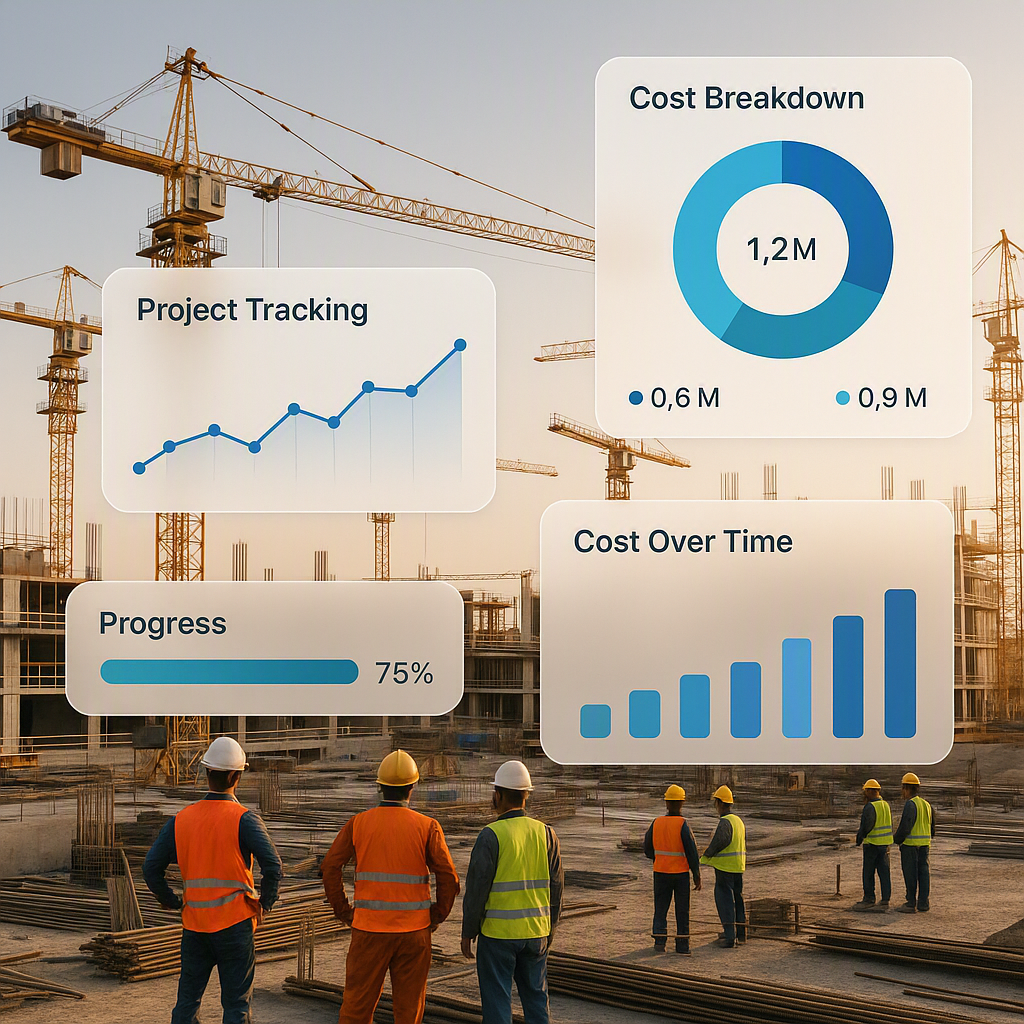
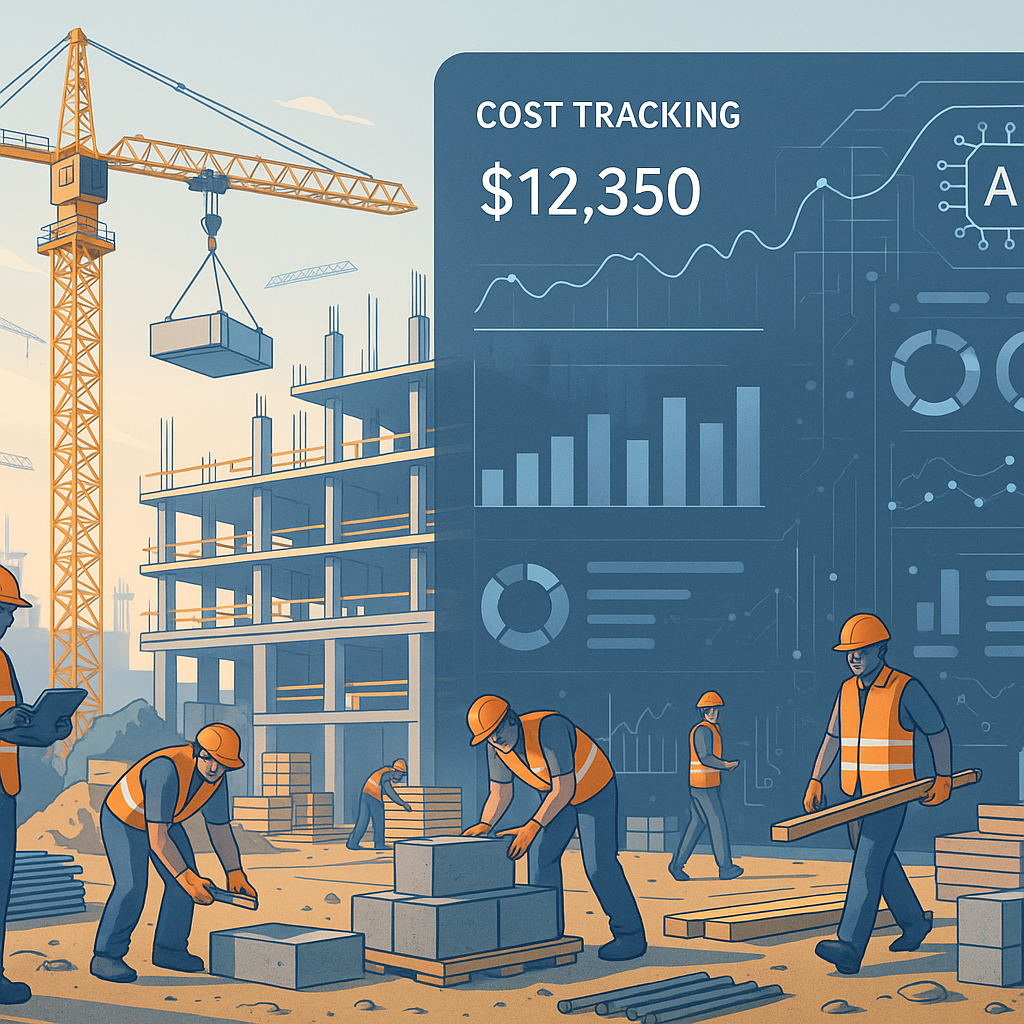
AI also helps you monitor project profitability in real time. Let’s say you’re halfway through a project and realize you’re 20% over budget on steel. With traditional systems, you’d find out too late, after the damage is done. AI tools like JobNext give you dashboards that break down costs by BOQ line items, so you can course-correct immediately.
This isn’t just a nice-to-have. It’s the difference between making a profit and taking a loss. According to a McKinsey report, contractors who use real-time cost tracking tools are 5-10% more profitable than those who don’t.
Objections and Edge Cases
You might be thinking, “This sounds great, but what happens if the AI makes a mistake?” It’s a fair question. AI tools aren’t perfect, but they’re far better than manual processes. And with systems like JobNext, you still have the final say. The AI recommends, but you approve.
Another concern we hear is, “What about smaller vendors who aren’t tech-savvy?” Most platforms now support mobile apps and simple email integrations, so even the least tech-savvy vendors can participate. In fact, many smaller suppliers prefer these systems because they speed up payments.
The Bottom Line
If you’re serious about improving project profitability, you can’t ignore AI. Tools like JobNext eliminate waste, streamline procurement, and give you real-time visibility into your costs. Contractors who’ve made the switch are cutting material costs by 12% and boosting margins across the board.
Want to dive deeper? Check out this article: Why Contractors Lose Margins Without a Cloud ERP (And How to Fix It). It breaks down exactly how cloud ERP systems like JobNext solve the procurement chaos that’s killing margins.
Stop managing projects with guesswork. Start using AI to make every rupee count.
Ready to see JobNext in action?
Multi-tenant SaaS ERP for construction, facilities management, and contracting — covering preconstruction, project execution, procurement, HR & payroll, equipment, finance, and 150+ analytics reports.
Get Started Free →Learn more at JobNext.ai