Why Margins Are Shrinking in Construction
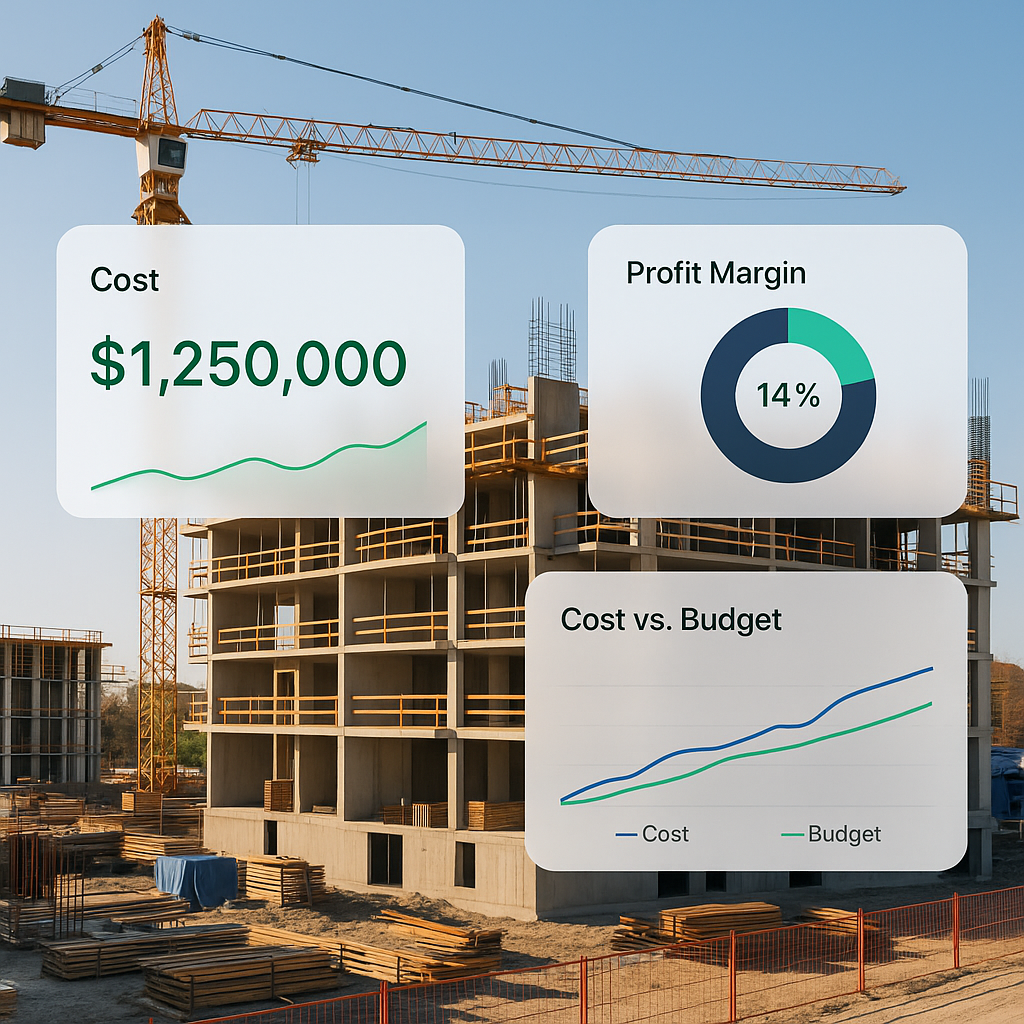
Margins in construction are razor-thin. If you're running multiple projects, chances are you're losing money somewhere—material wastage, subcontractor overruns, missed billing. How bad is it? Studies show contractors lose 12-18% of their material budget due to inefficient procurement and poor cost tracking [JobNext Blog].
Real-time visibility into project costs is the only way to stop the bleed. AI tools can help by automating cost tracking, predicting overruns, and flagging risks early. Let’s unpack how.
The Problem: Manual Cost Tracking Doesn’t Work
If you're still using spreadsheets or disconnected systems, you're flying blind. You might know your budget, but you don’t know where the money is actually going—until it’s too late. Common issues include:
- Delayed Purchase Orders: Materials arrive late, delaying schedules and inflating labor costs.
- Missed Rate Contracts: Without locking in rates, you're at the mercy of fluctuating prices.
- Vendor Confusion: Manual RFQs lead to mismatched specs and overcharges.
Sound familiar? Fixing these issues starts with structured workflows. And that’s where AI tools come in.
How AI Improves Profitability
AI tools like JobNext take the guesswork out of cost tracking. Here's how:
1. Real-Time Profitability Monitoring
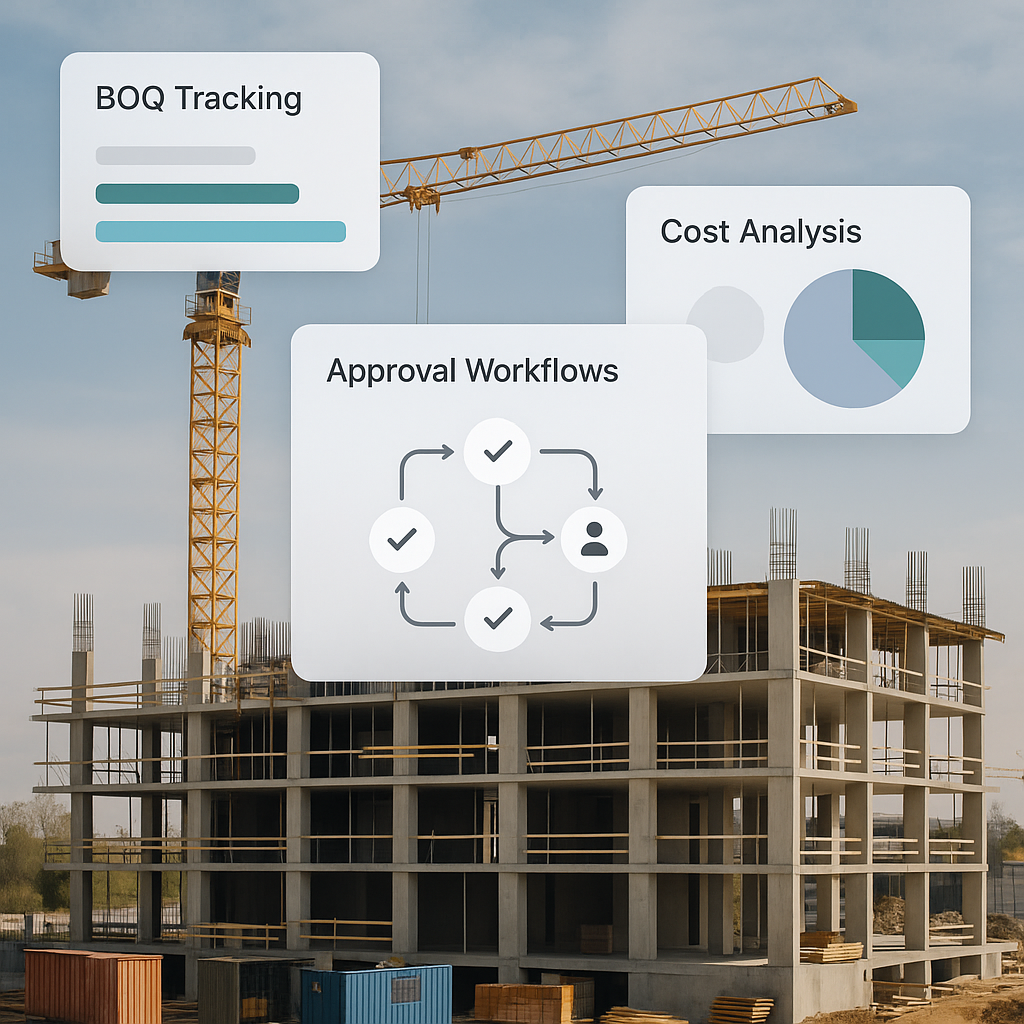
Traditional systems give you cost data after the damage is done. AI tools monitor profitability in real time, down to the last BOQ line item. For example, JobNext tracks project budgets against actuals across scopes, WBS, and estimates [JobNext Blog].
2. Automated Procurement Workflows
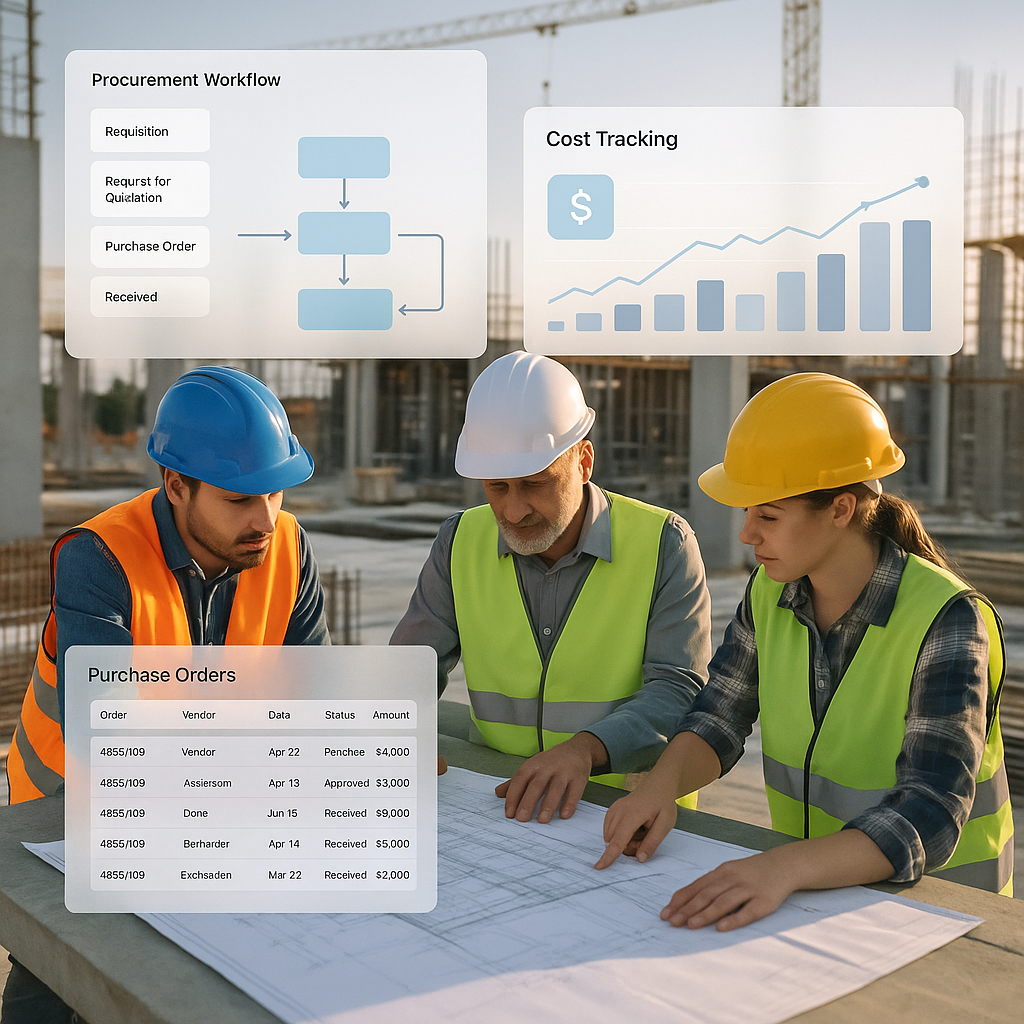
Manual procurement is chaos—missed RFQs, delayed POs, vendor disputes. AI fixes this with structured workflows: Material Request → RFQ → Vendor Offers → PO approval. In one case we studied, JobNext reduced PO delays by 40%, saving ₹1.2 crore in a single year.
3. Subcontractor Cost Controls
Subcontractors are a major source of overruns. AI tools use measurement-based progress tracking to ensure payments align with actual work completed. No more overpaying for incomplete work.
4. Predictive Analytics for Risk Management
AI doesn’t just track costs—it predicts overruns before they happen. For example, if material consumption rates are exceeding estimates, the system flags it early. This allows you to adjust orders or schedules before it impacts margins.
Case Study: Improving Margins in GCC
A mid-size general contractor in the UAE was losing 15% of their margins across 12 concurrent projects. The main issues? Inconsistent procurement workflows and manual cost tracking. After switching to JobNext, they saw:
- 12% Improvement in Margins: Real-time profitability monitoring exposed hidden costs.
- 50% Reduction in PO Delays: Automated workflows sped up material procurement.
- Zero Revenue Leakage: Structured billing methods plugged gaps.
For contractors in India and GCC, these gains are game-changing. Margins aren’t just improved—they’re protected.
Why AI Tools Aren’t Optional Anymore
You might be thinking, “Can’t I just improve my existing workflows without AI?” Honestly? You’ll hit a ceiling. AI tools don’t just optimize—they scale. When you're managing 20+ projects, manual systems can’t keep up.
And the investment pays off. Contractors using cloud ERP systems like JobNext grow faster, with up to 20% less margin erosion [JobNext Blog].
Next Steps: Implementing AI in Your Projects
Ready to stop losing money? Start small:
- Audit Your Current Systems: Identify gaps in cost tracking, procurement, and billing.
- Pilot an AI Tool: Try JobNext or similar solutions on one project. Measure the impact.
- Scale Gradually: Once you see results, roll it out across your portfolio.
AI isn’t the future—it’s now. If you're serious about improving profitability, tools like JobNext should be on your radar.
Learn More
Want detailed insights into how cloud ERP systems improve margins? Check out Why Contractors Lose Margins Without a Cloud ERP (And How to Fix It) for a deep dive into structured cost tracking.
Ready to see JobNext in action?
Multi-tenant SaaS ERP for construction, facilities management, and contracting — covering preconstruction, project execution, procurement, HR & payroll, equipment, finance, and 150+ analytics reports.
Get Started Free →Learn more at JobNext.ai