How AI Tools Stop Cost Overruns and Boost Construction Profits by 18%
Margins in construction are brutal — often less than 5%. If you're not tracking costs in real-time, you're losing money. Material wastage, missed POs, and manual errors can eat up 12-18% of your material budget. That’s not a rounding error. That’s the difference between profit and loss.
AI tools are stepping in, and they're not just for tech giants. They’ve become practical, scalable, and affordable for small-to-mid-sized contractors. Here’s how.
The Real Problem: Cost Tracking Is Broken
Most contractors rely on spreadsheets, disconnected systems, and outdated processes. You’ve got one tool for billing, another for procurement, and maybe another for payroll. None of them talk to each other. By the time you realize you're over budget on cement or rebar, it's too late.
A study we ran at ConstructionSupply.ai found that nearly 70% of contractors in India and the GCC don’t track material usage in real-time. Think about that. You’re running a multi-crore project without knowing if your material estimates are holding up.
Enter AI: Real-Time Cost Tracking
AI doesn’t mean robots on-site. It means smarter, faster decisions. Tools like JobNext integrate procurement, project management, and billing into one system. Here’s how it works:
- Material Requests (MR) to Purchase Orders (PO): AI analyzes historical data to predict material needs based on your project’s BOQ (Bill of Quantities). No more over-ordering or under-ordering.
- Vendor Offers Comparison: The system evaluates vendor quotes automatically, factoring in price, lead time, and quality. It flags the best offer instantly.
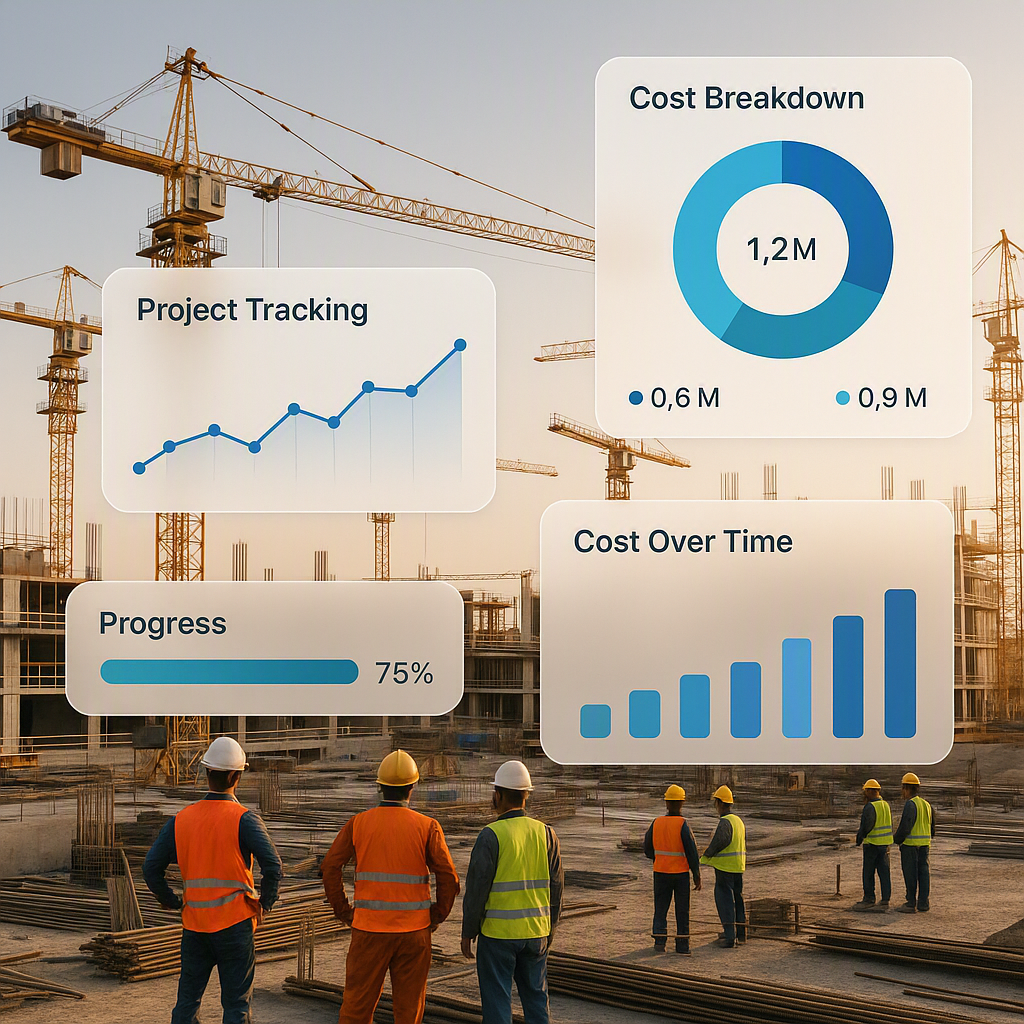
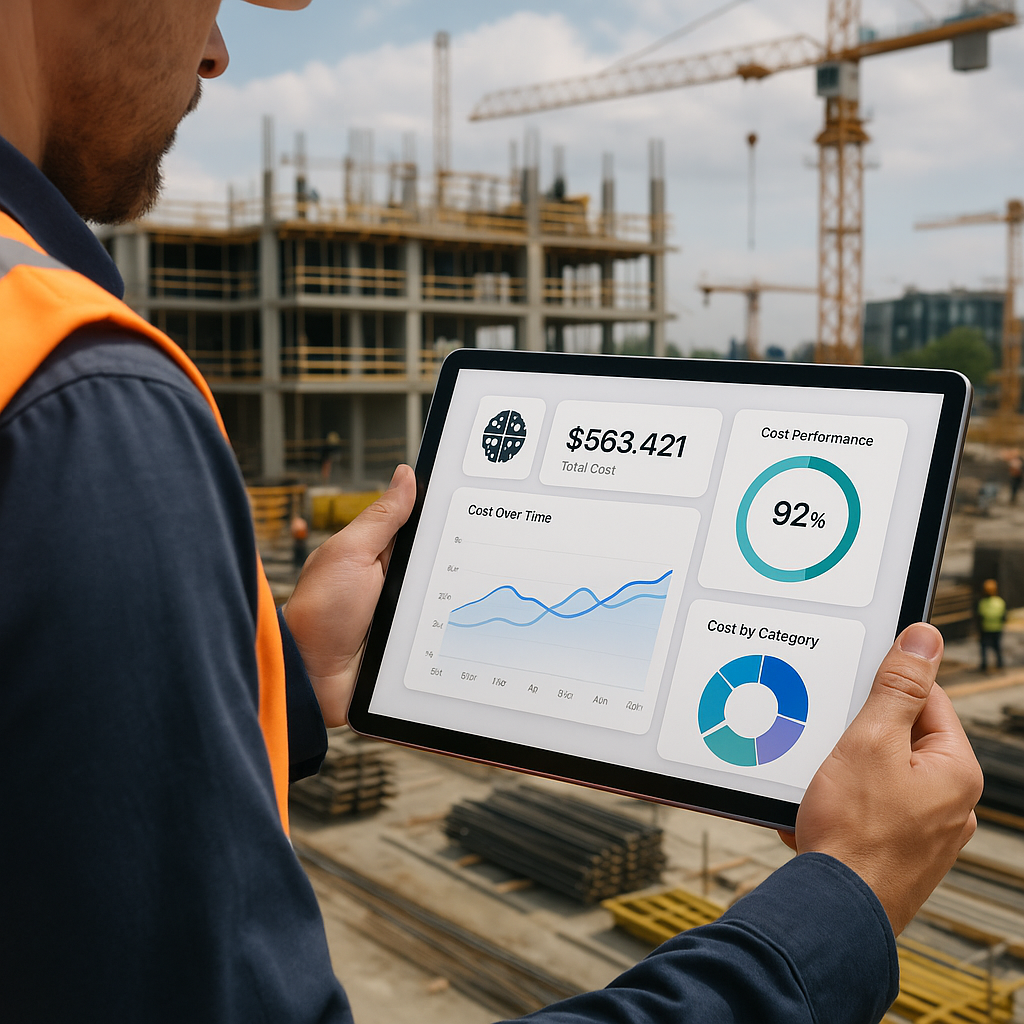
- Real-Time Cost Updates: Every PO updates your project budget in real-time. You’ll know immediately if a material price hike is eating into your profits.
- Wastage Alerts: AI compares planned material usage vs. actual consumption. If you're burning through sand faster than expected, you'll get flagged before it’s too late.
Case in Point: An EPC Contractor in Oman
One of our clients, an EPC contractor in Oman, was losing nearly 15% of their material budget every project. Why? Late purchase orders and manual errors. With JobNext, they automated the MR→RFQ→PO workflow. Real-time dashboards showed them exactly where they were overspending.
The result? Material cost overruns dropped by 12% in three months. That’s not just savings — that’s profit they would’ve otherwise lost.
What Makes AI Tools Practical for Contractors?
You might be thinking, “Sounds fancy, but we’re not Google. Can we afford this?” Actually, yes. Cloud-based AI tools like JobNext work on subscription models, making them accessible to smaller contractors.
And implementation isn’t a nightmare. Most setups take 2-4 weeks, not months. Plus, these tools are designed for construction, so they fit your workflows — no messy customization needed.
Why Real-Time Tracking Matters
If you can’t measure it, you can’t fix it. Real-time tracking isn’t just a nice-to-have; it’s a survival tool. According to JobNext’s research, contractors who track costs in real-time save an average of 3-5% on total project costs. That’s enough to turn a struggling project into a profitable one.
Here’s a quick example: Let’s say you’re running a ₹50 crore project. If AI tools save just 3%, that’s ₹1.5 crore back in your pocket.
How to Get Started
- Audit Your Current Processes: Where are your leaks? Late POs? Vendor mismanagement? Wastage?
- Choose the Right Tool: Look for something that integrates MR→RFQ→PO workflows with real-time cost tracking. JobNext is a solid option.
- Monitor, Don’t Micromanage: Let the AI handle the heavy lifting. Focus on exceptions flagged by the system.
Construction margins are tight, but they don’t have to be a death sentence. AI tools are no longer futuristic — they’re here, they’re practical, and they’re saving contractors money every day. The question is: How much are you willing to lose before you try them?
Learn more at JobNext.ai