Executive Summary
Construction contractors are losing significant chunks of their profits—up to 18% of material budgets in some cases—due to poor cost tracking and inefficient procurement processes. The good news? AI-powered tools are stepping in to close these gaps, offering real-time cost tracking, automated workflows, and predictive analytics to help contractors protect their margins. This guide explores how AI tools can make a measurable difference, backed by real-world examples and actionable insights.
Why Contractors Struggle to Maintain Profit Margins
Construction is one of the most margin-sensitive industries. If you're a contractor, you know how quickly profits can erode. A spike in steel prices, a subcontractor overshooting their budget, or a missed invoice can snowball into significant losses. Worse, many contractors don't realize the financial impact until the project is almost complete.
The scope of the problem is staggering. A report from McKinsey estimates that inefficiencies in construction cost the global industry $1.6 trillion every year. Much of this comes down to outdated processes: manual procurement workflows, inconsistent cost tracking, and delayed financial reporting. Without daily visibility into costs, you’re essentially flying blind—and it’s costing you money.
Common Ways Contractors Lose Money
- Material Cost Spikes: Market fluctuations can increase costs overnight, leaving you scrambling to adjust your budget.
- Procurement Errors: Incorrect or late orders lead to project delays and rushed purchases at inflated prices.
- Subcontractor Budget Overruns: Without clear tracking, subcontractors may exceed their budgets without your knowledge.
- Billing Mistakes: Missed or incorrect invoices can result in lost revenue or strained vendor relationships.
These issues aren’t just minor annoyances—they’re major contributors to margin erosion. But they’re also solvable with the right tools and processes.
How AI Tools Plug Profit Leaks
AI technology is transforming the construction industry by automating manual processes, providing real-time insights, and offering predictive analytics. While these tools won’t fix mismanagement or poor planning, they do give contractors the visibility and control they need to make better decisions.
1. Real-Time Cost Tracking
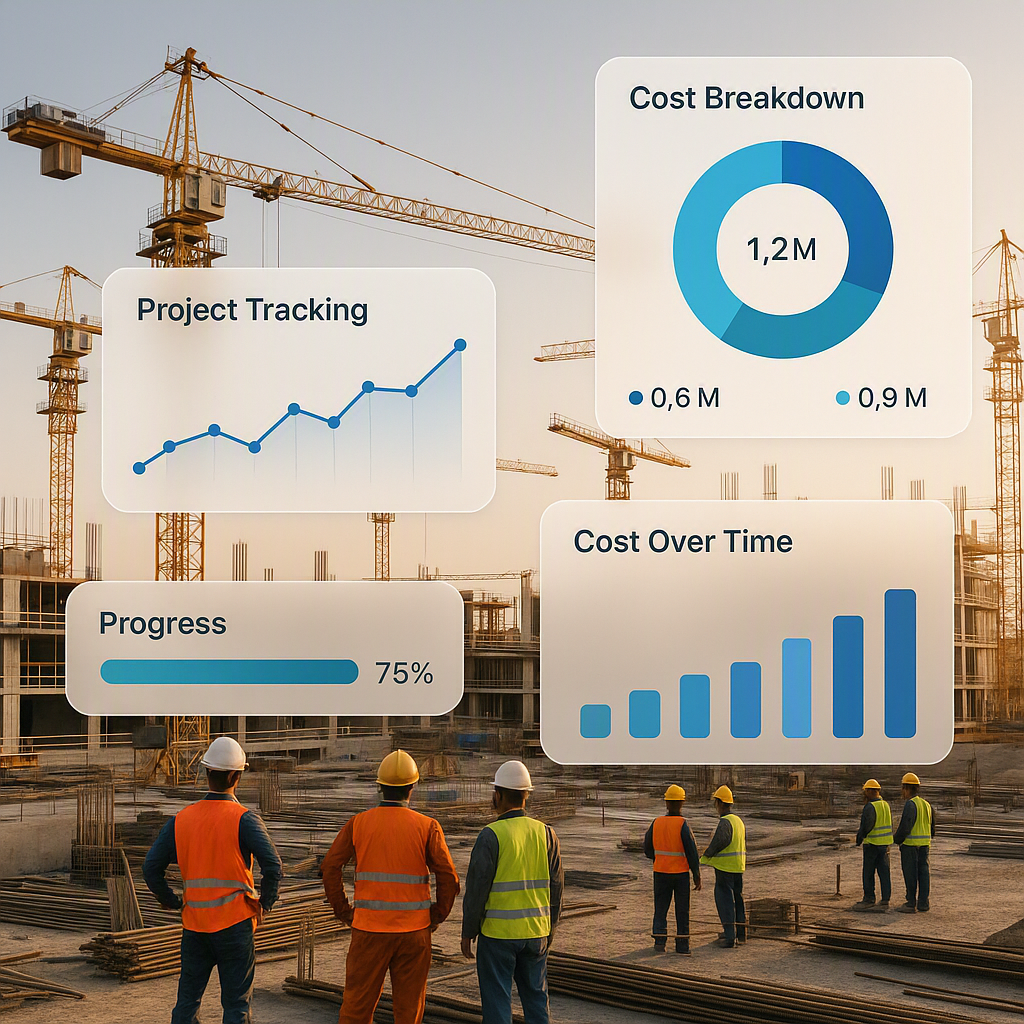
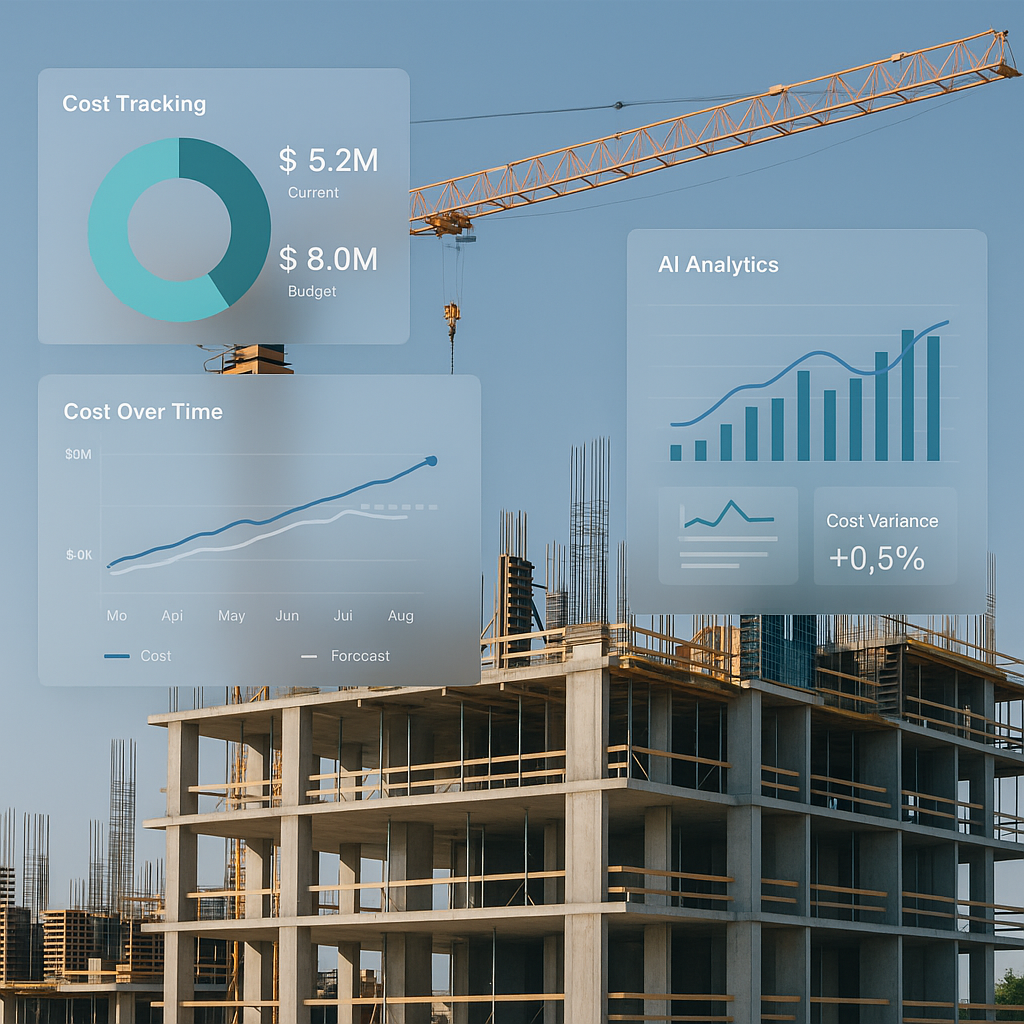
AI-powered enterprise resource planning (ERP) systems allow contractors to monitor project profitability in real time. Instead of waiting for monthly or quarterly financial reports, you can see where your project stands daily. This level of visibility enables you to catch and address issues—like overspending or material waste—before they spiral out of control.
Example: A general contractor working on a $5 million residential project used an AI-powered ERP system to track costs daily. When labor expenses in one phase exceeded projections by 15%, the system flagged the discrepancy immediately. The contractor was able to adjust staffing levels and negotiate better rates with subcontractors, ultimately saving $75,000 on that phase alone.
2. Automated Procurement Workflows
Procurement is one of the most complex aspects of construction, involving multiple stakeholders and countless moving parts. AI tools streamline this process by automating tasks like material requests (MR), requests for quotes (RFQs), and purchase orders (POs). This reduces manual errors, eliminates delays, and ensures you’re always getting the best price from vendors.
Key Benefits:
- Faster approval processes for material orders.
- Reduced errors in quantity or specifications.
- Improved vendor relationships through consistent, accurate communication.
Real-World Impact: A mid-sized contractor in the U.S. switched to an AI-driven procurement platform and reduced material costs by 10% within six months. The system automatically flagged discrepancies between vendor quotes and purchase orders, preventing overpayments and ensuring timely deliveries.
3. Predictive Analytics for Cost Forecasting
AI tools don’t just track what’s happening now—they can also predict what’s likely to happen next. By analyzing historical project data, these systems identify patterns and trends that might lead to cost overruns. This allows contractors to take preemptive action, such as reallocating resources or renegotiating contracts.
Scenario: Imagine you’re managing a commercial office build. Based on past projects, your AI system predicts that HVAC installation is likely to exceed budget by 8% due to rising material costs. Armed with this information, you can negotiate a fixed-price contract with your HVAC subcontractor, mitigating the risk of overruns.
Case Study: How One Contractor Reversed Margin Erosion
A mid-sized engineering, procurement, and construction (EPC) firm in the UAE was losing nearly 10% of its project budgets due to poor financial oversight and inefficient procurement processes. Frustrated by shrinking profits, the company implemented an AI-powered platform to address these challenges.
The Results:
- Streamlined Procurement: By automating the MR → RFQ → PO workflow, the firm reduced material costs by 12%.
- Daily Profitability Tracking: The finance team gained real-time visibility into cost overruns, enabling faster corrective actions.
- Improved Subcontractor Management: The platform’s progress tracking tools allowed the company to tie payments directly to measurable milestones, eliminating disputes.
Overall, the firm achieved a 7% boost in project profitability within the first year of implementation.
What’s Holding Contractors Back?
Despite the clear benefits, many contractors are hesitant to adopt AI tools. Here’s why—and how to overcome these concerns.
1. “It’s Too Expensive”
Yes, AI platforms require an upfront investment. However, the long-term savings far outweigh the initial costs. For instance, contractors using real-time cost tracking tools report saving 3-12% of their margins. On a $10 million project, that’s up to $1.2 million in additional profit.
2. “Implementation Takes Too Long”
Traditional on-premise ERP systems can take months to set up, but modern cloud-based platforms are much faster. Tools like JobNext can be up and running within weeks, allowing you to start tracking costs almost immediately.
3. “We Don’t Have the Tech Expertise”
You don’t need a dedicated IT team to implement AI tools. Most vendors offer comprehensive onboarding and support, walking you through every step of the process. They’ll train your team, customize workflows to fit your business, and provide ongoing assistance as needed.
Key Features to Look for in AI Tools
If you’re considering AI tools for your construction business, focus on platforms that offer the following:
- Real-Time Dashboards: Get a daily snapshot of your project’s financial health.
- Automated Workflows: Simplify procurement, invoicing, and subcontractor management.
- Predictive Analytics: Identify potential cost overruns before they happen.
- Customizable Reporting: Tailor reports to meet the specific needs of your team and stakeholders.
Final Thoughts: Stop the Profit Drain
The construction industry doesn’t have to accept margin erosion as a fact of life. By adopting AI-driven tools, contractors can gain the visibility, efficiency, and foresight needed to protect their profits. Whether you’re running a small contracting business or managing large-scale projects, these tools are accessible, practical, and proven to deliver results.
If you’re ready to take control of your project costs, start by exploring platforms like JobNext. With features like real-time cost tracking and automated procurement workflows, these tools are designed to help contractors like you succeed in an increasingly competitive industry.
Learn more at JobNext.ai