Improving Project Profitability with AI Tools
Margins in construction are razor-thin. On average, contractors operate within 2-7% profitability per project, but inefficiencies—especially in procurement—can drain 12-18% of material budgets. That’s a serious problem when every rupee counts.
So, how do we fix this? AI tools, specifically for cost tracking and procurement optimization, are proving to be game-changers. They don’t just crunch numbers—they provide insights that were previously impossible to see in time.
The Procurement Problem
Let’s start with material procurement. A typical workflow involves Material Requests (MR), Requests for Quotation (RFQ), vendor offers, and finally, Purchase Orders (PO). But here’s the catch: most contractors still manage this through spreadsheets or disconnected systems. This leads to:
- Delayed purchase orders: Materials show up late, halting progress.
- Missed rate contracts: Vendors overcharge because rates weren’t locked in advance.
- Untracked material usage: Excess materials often go missing, unused, or wasted.
In one study of 150+ construction projects, contractors lost an average of 12-18% of their material budget due to these inefficiencies. JobNext breaks down how disconnected systems lead to margin erosion.
How AI Solves This
AI-powered tools tackle these issues head-on. Here’s a practical example from JobNext’s procurement module:
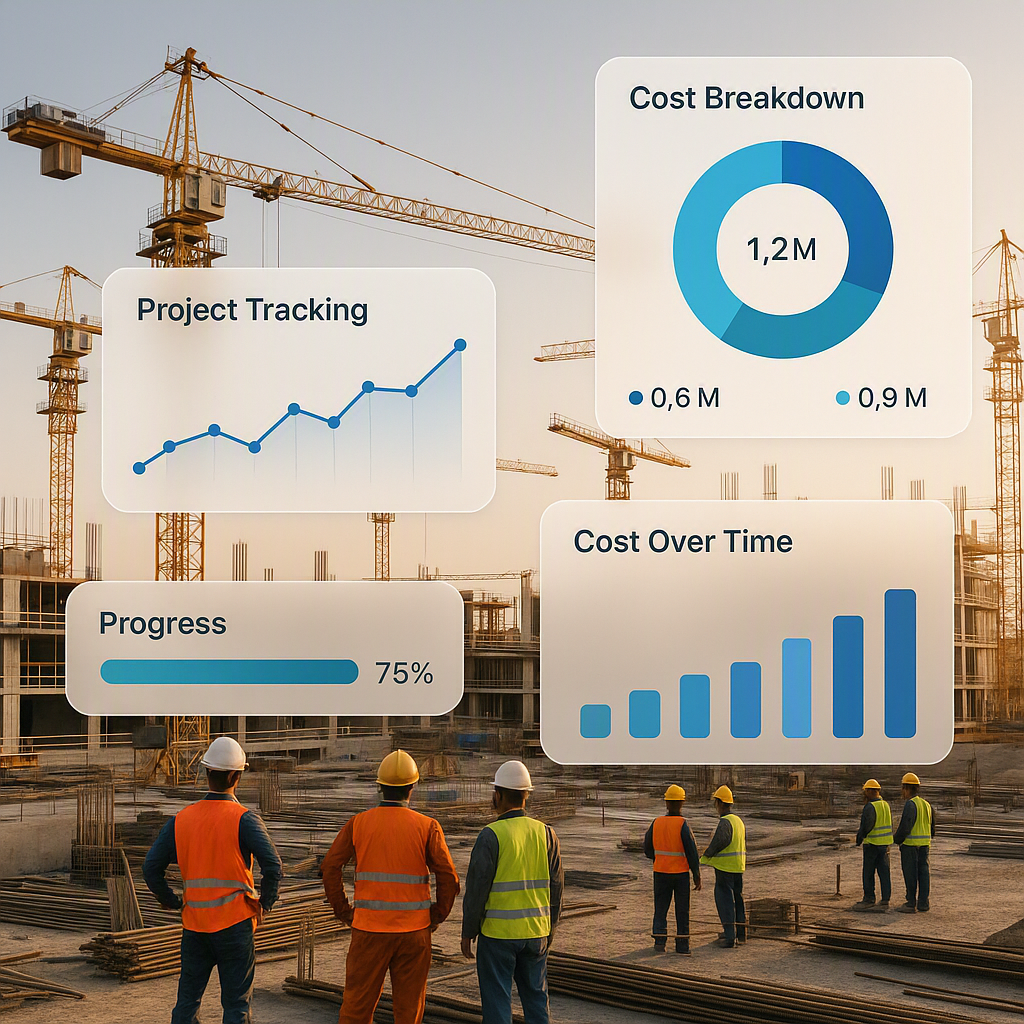
- Real-time cost tracking: AI monitors costs against your BOQs, scopes, and estimates. If a vendor’s quote exceeds your budget, you’ll know immediately.
- Smart vendor suggestions: AI doesn’t just track costs—it suggests vendors based on past performance, lead times, and pricing history.
- Automated workflows: No more chasing approvals manually. AI handles MR → RFQ → Vendor Offers → PO workflows with built-in approval chains.
Real-World Impact
Take the case of a mid-size general contractor based in Pune. Before switching to JobNext, they relied on Excel sheets and WhatsApp messages to manage procurement. They regularly faced material shortages, leading to unplanned expenses for expedited shipping or alternative vendors.
After implementing JobNext, they saw a 15% improvement in project profitability. Why? Because AI flagged over-budget vendor quotes before they were approved and optimized material orders to avoid stockouts.
Addressing Skepticism
You might be thinking, "AI tools sound great, but aren’t they expensive?" It’s a valid concern. The upfront investment can be intimidating, especially for smaller contractors. But when you factor in the savings—15% improvement in profitability, fewer delays, and less waste—the ROI speaks for itself.
Practical Next Steps
If you’re considering AI tools for your construction projects, start small. Focus on one area where inefficiencies hurt you most—procurement is often the best place to begin. Platforms like JobNext offer modular solutions so you can scale gradually.
Key Takeaways
- Contractors lose 12-18% of material budgets to procurement inefficiencies.
- AI tools can optimize workflows, track costs in real-time, and reduce waste.
- Real-world examples show profitability improvements of up to 15%.
- Start small and focus on high-impact areas like procurement.
AI isn’t about replacing your team. It’s about giving them the tools to make smarter decisions—faster.
For more on improving project profitability, check out JobNext's guide on cloud ERP for contractors.
Ready to see JobNext in action?
Multi-tenant SaaS ERP for construction, facilities management, and contracting — covering preconstruction, project execution, procurement, HR & payroll, equipment, finance, and 150+ analytics reports.
Get Started Free →Learn more at JobNext.ai