Why Contractors Bleed Margins on Projects
Construction is a low-margin game. On most projects, contractors operate within 5-10% profit margins at best. But inefficiencies in procurement, cost tracking, and billing often chip away at those thin margins. What’s worse? Most contractors don’t even realize where the money is leaking until it’s too late.
Take procurement as an example. On average, 12-18% of material budgets are wasted due to late purchase orders, inconsistent vendor pricing, and a lack of real-time visibility into project costs. McKinsey found that delayed procurement alone can increase project costs by 5-10%.
But here’s the thing: These aren’t unavoidable losses. With AI-driven tools, you can track costs in real-time, predict overruns, and make smarter decisions. Let’s break it down.
How AI Improves Project Profitability
1. Real-Time Cost Tracking
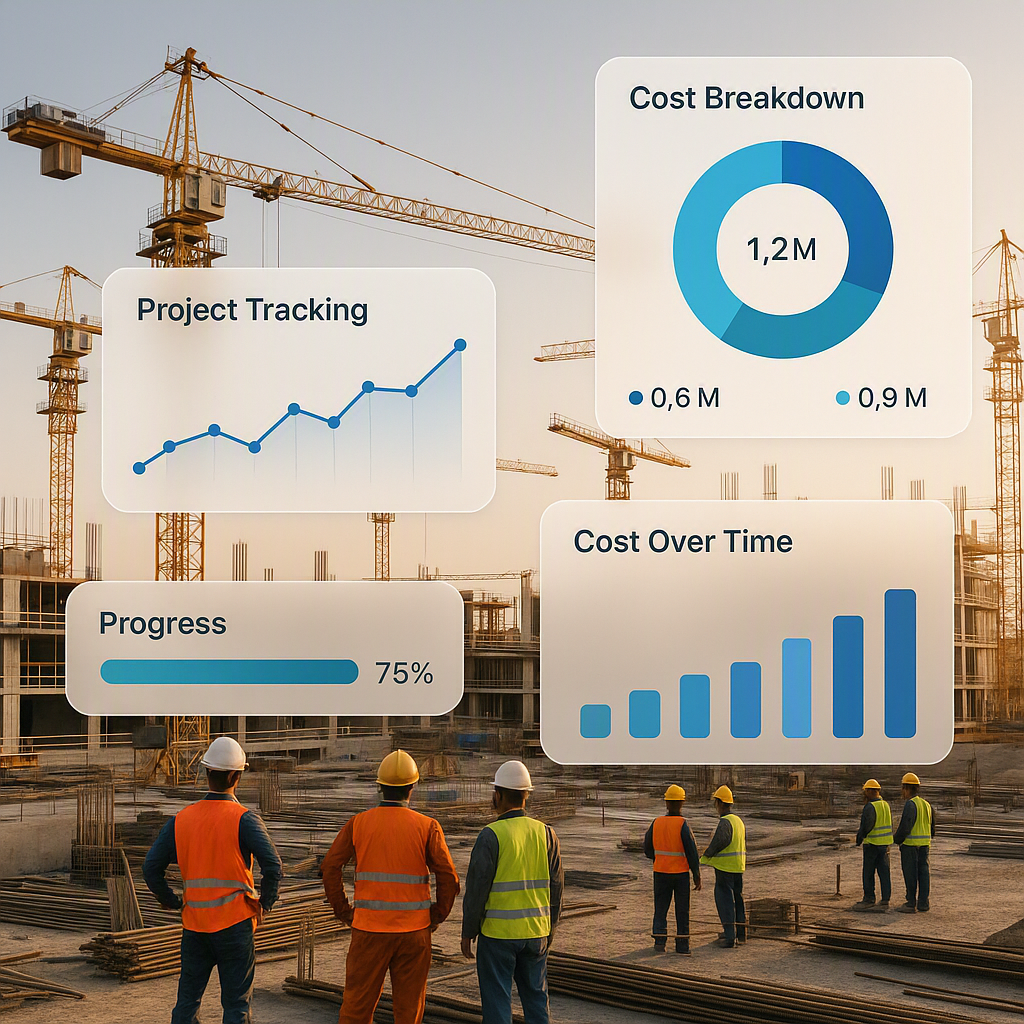
Imagine being able to see, at any given moment, how much money you’ve spent on a project vs. how much budget remains. AI tools make this possible by integrating live data from your procurement, billing, and finance systems.
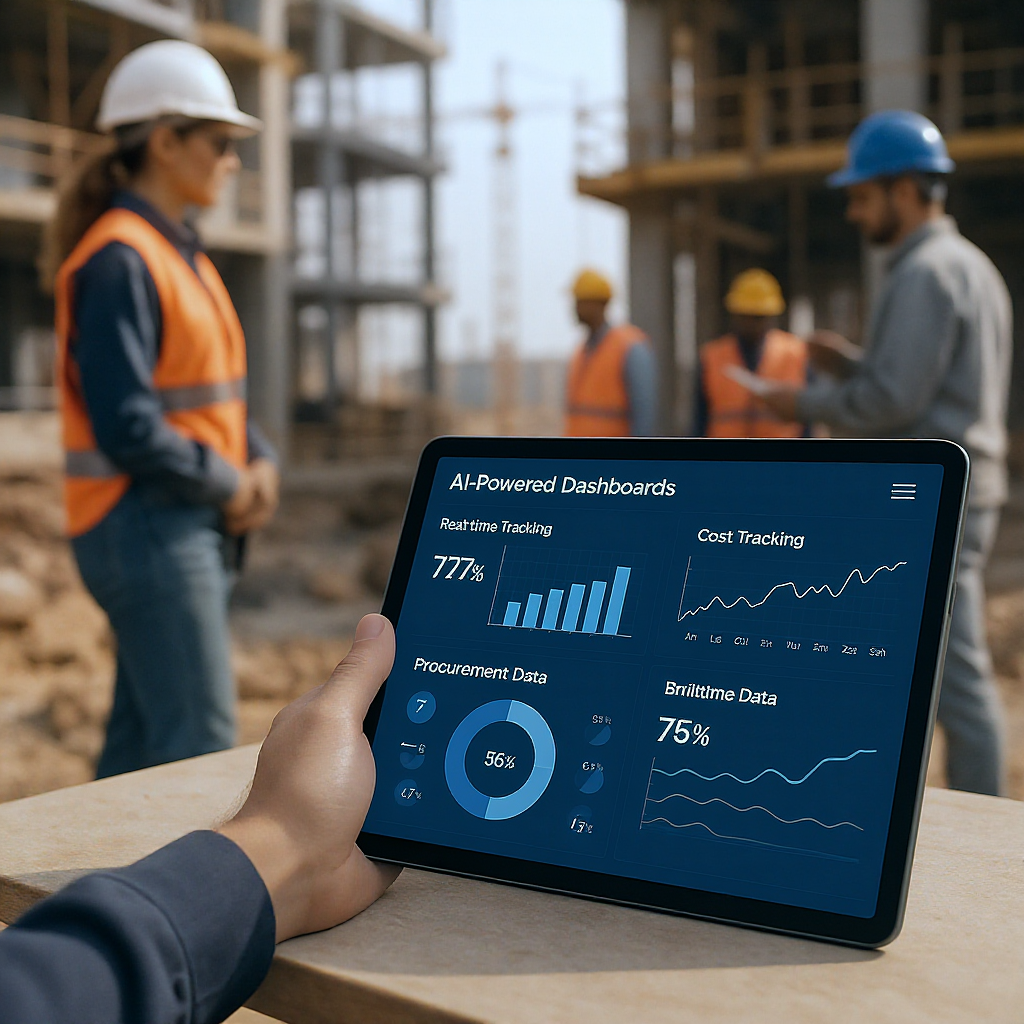
For example, JobNext’s real-time profitability dashboards pull data directly from your BOQs, purchase orders, and subcontractor payments. This ensures you’re not relying on outdated spreadsheets or monthly reports to see where you stand. When costs start creeping over budget, you’ll know immediately — not weeks later when it’s too late to act.
This isn’t just theory. According to this detailed post from JobNext, contractors using cloud ERP systems with real-time tracking have reduced margin erosion by up to 20%.
2. Smarter Procurement with AI-Powered Recommendations
Procurement is where most projects lose money. Why? Because contractors either overorder materials “just in case” or scramble to buy at the last minute — paying premium prices or delaying the schedule.
AI tools can analyze historical data and recommend optimal order quantities and timings. For instance, if the system notices that you consistently overorder cement by 15% on similar projects, it’ll flag this pattern and adjust your material requests.
JobNext’s structured procurement workflow (MR → RFQ → Vendor Offers → PO) automates this process. It uses AI to compare vendor rates, track lead times, and even suggest alternative suppliers when prices spike. This kind of automation has helped contractors save up to 9% on material costs, as highlighted in this case study.
3. Predicting Cost Overruns with AI
AI excels at spotting patterns human teams might miss. By analyzing data across multiple projects, AI tools can predict where cost overruns are likely to occur. For example:
- If subcontractor labor costs consistently exceed estimates on specific types of work, the system can flag this during the planning phase.
- If steel prices are trending upward, the system can recommend locking in rates earlier.
These insights allow contractors to make proactive adjustments, reducing the risk of unplanned expenses.
The Results? Smarter Decisions, Bigger Margins
Contractors who adopt AI tools consistently report improved profitability. Here’s why:
- Fewer Surprises: Real-time tracking ensures you’re never blindsided by unexpected costs.
- Optimized Procurement: AI-driven recommendations prevent waste and save money on materials.
- Faster Billing: Automated workflows ensure no revenue slips through the cracks.
One contractor using JobNext reported a 15% increase in project profitability within the first year of implementation. Their secret? Centralizing procurement and cost tracking into one AI-powered system — eliminating the guesswork.
Why Now Is the Time to Act
Margins in construction aren’t getting wider. Materials are more expensive, clients expect tighter schedules, and competition is fiercer than ever. If you’re not using AI tools to optimize your operations, you’re leaving money on the table — or worse, risking your business.
As outlined in this guide on JobNext’s blog, transitioning to AI-powered tools doesn’t have to be overwhelming. Start with one area — like procurement or cost tracking — and expand from there.
It’s not about replacing humans. It’s about giving your team the tools they need to make smarter, faster decisions. And that’s how you improve project profitability in construction.
Ready to Stop Margin Erosion?
AI tools like JobNext can help you track costs, optimize procurement, and stop profit leaks before they happen. Learn more about JobNext here.
Ready to see JobNext in action?
Multi-tenant SaaS ERP for construction, facilities management, and contracting — covering preconstruction, project execution, procurement, HR & payroll, equipment, finance, and 150+ analytics reports.
Get Started Free →Learn more at JobNext.ai